Why Starting Solids Is About So Much More Than Eating
For many families, starting solids feels like one of the first truly exciting milestones in their child’s development. It can also feel overwhelming.
Questions start appearing quickly.
When should we begin? What foods do we introduce first? How do we know our baby is ready?
While introducing solids is often thought of simply as a feeding milestone, at Sanctuary Early Learning Adventure, we see it a little differently; because starting solids is about far more than food. It marks the beginning of a child learning independence, developing confidence, exploring their senses, strengthening coordination and beginning to build what will become their lifelong relationship with food.
Like so many early childhood milestones, this stage is not simply about what children are doing. It is about what they are learning while doing it. And there is far more developmental magic happening in those first messy meals than many parents realise.
When should babies start solids?
Current Australian health guidelines generally recommend introducing solids at around six months of age, while continuing breastmilk or formula feeding alongside solids.
But age is only part of the picture.
Babies often begin showing developmental signs that indicate they are ready for this next stage. Some of these signs include:
- sitting upright with support
- good head and neck control
- watching others eat with curiosity
- reaching toward food
- opening their mouth when food is offered
- reduced tongue-thrust reflex.
Every child develops differently, which means readiness can vary from one child to another. The milestone is not about rushing; it is about recognising when your child is developmentally ready to begin exploring food safely.
What foods should you introduce first?
When beginning solids, many families naturally focus on one question: What should my baby eat first?
There is no single perfect answer.
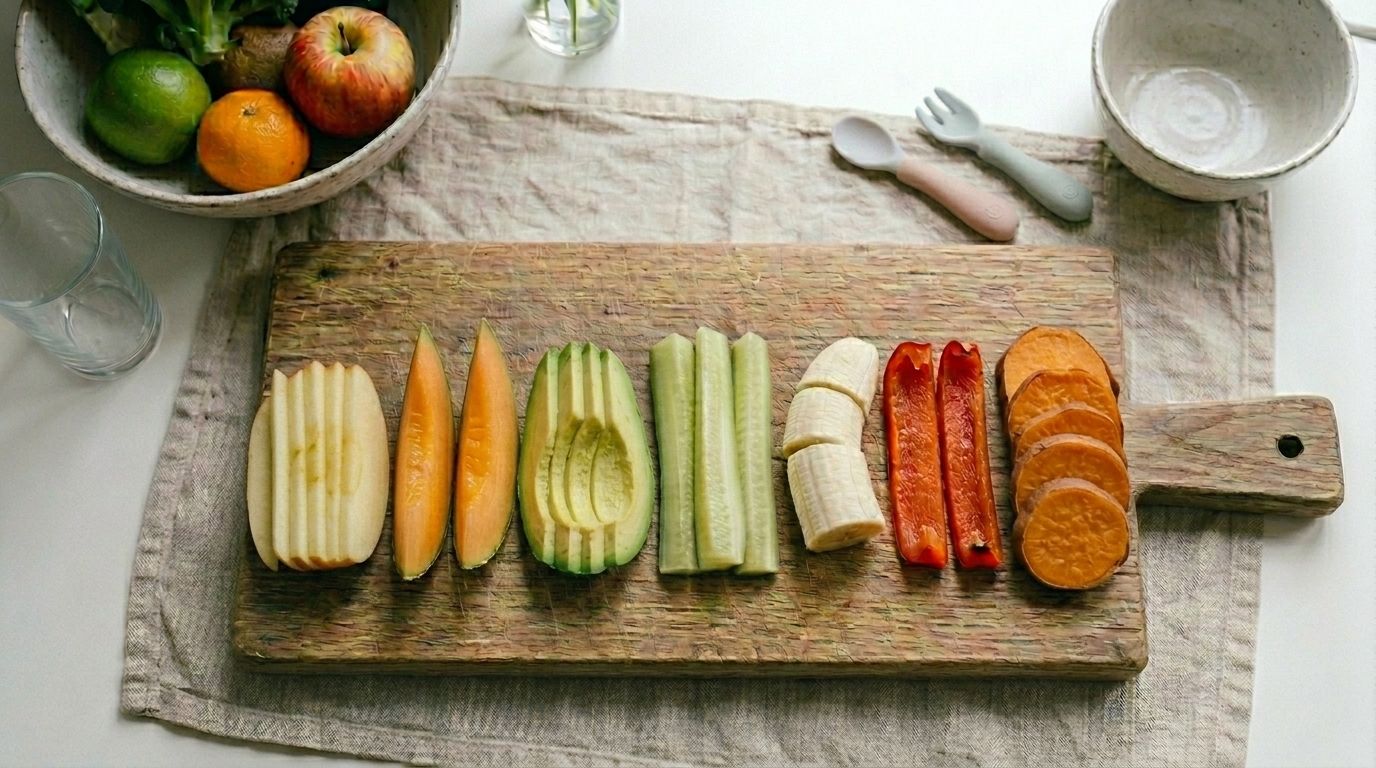
What matters most is introducing a variety of nutritious foods gradually while allowing children time to explore new tastes and textures. Some common first foods may include:
- soft avocado
- steamed pumpkin or sweet potato
- banana
- soft cooked egg
- iron-rich infant cereals
- lentils or soft beans
- greek yoghurt
- soft fruits and vegetables.
The early goal is not large food intake, it's about introducing variety while helping children become comfortable with the sensory experience of eating.
Because at this stage, food is as much about learning as it is nutrition.
Starting Solids Is One Of A Child’s First Lessons In Independence
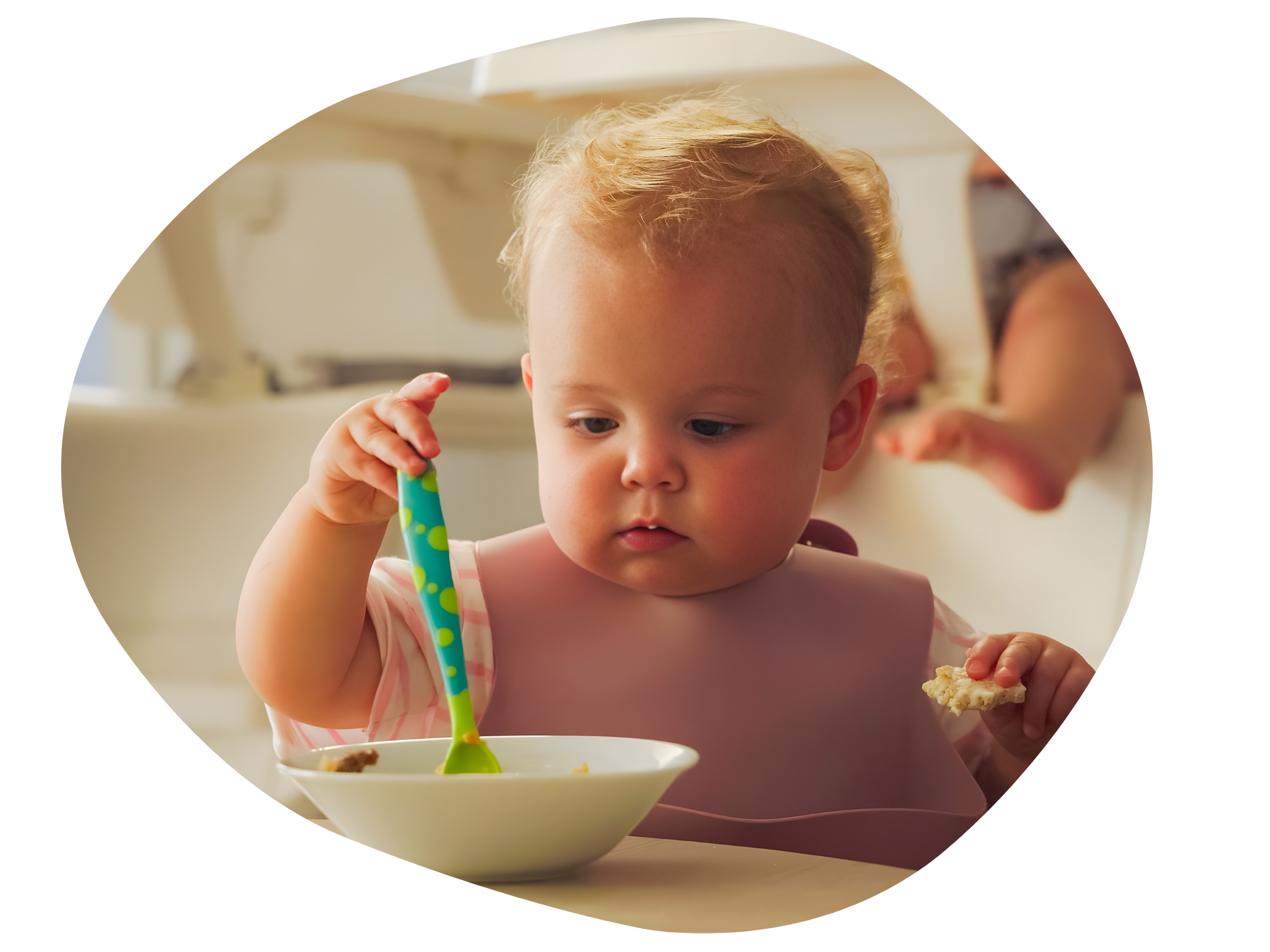
This is the part parents do not always think about. Starting solids is often one of the very first opportunities children have to begin doing something independently.
Holding a spoon.
Picking up food with their hands.
Choosing what they want to explore.
Learning what hunger and fullness feel like.
Making decisions about their own body.
While these moments may seem small, they begin building something incredibly important: confidence.
At Sanctuary, we often talk about the idea that children build independence through everyday experiences. Mealtimes are one of the earliest examples of this.
Children begin learning that they are capable and capable children become confident learners.
Why Messy Mealtimes Are Actually Important Learning
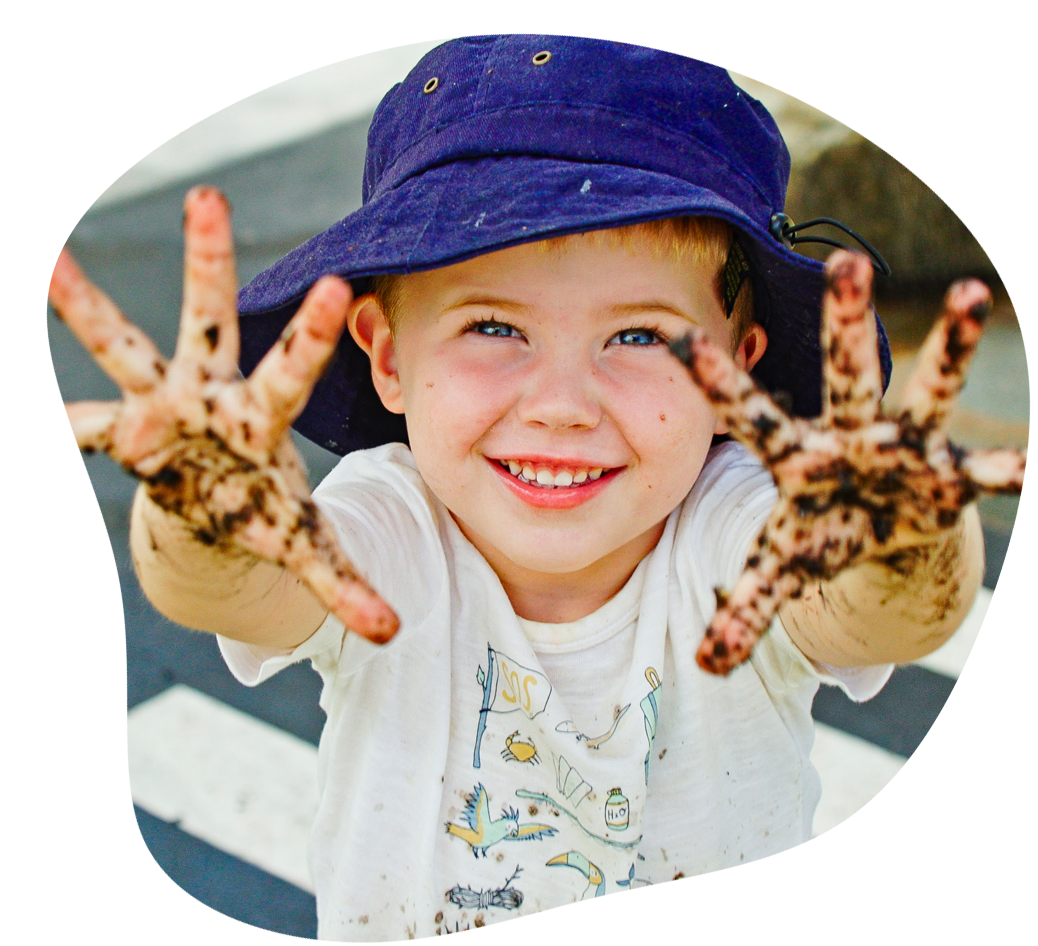
Parents often feel pressure for babies to “eat properly” as soon as solids begin. But from a developmental perspective, messy mealtimes are doing important work. As children explore food, they are developing:
- fine motor coordination
- hand-eye coordination
- sensory awareness
- problem solving skills
- curiosity and experimentation
- confidence through trial and error.
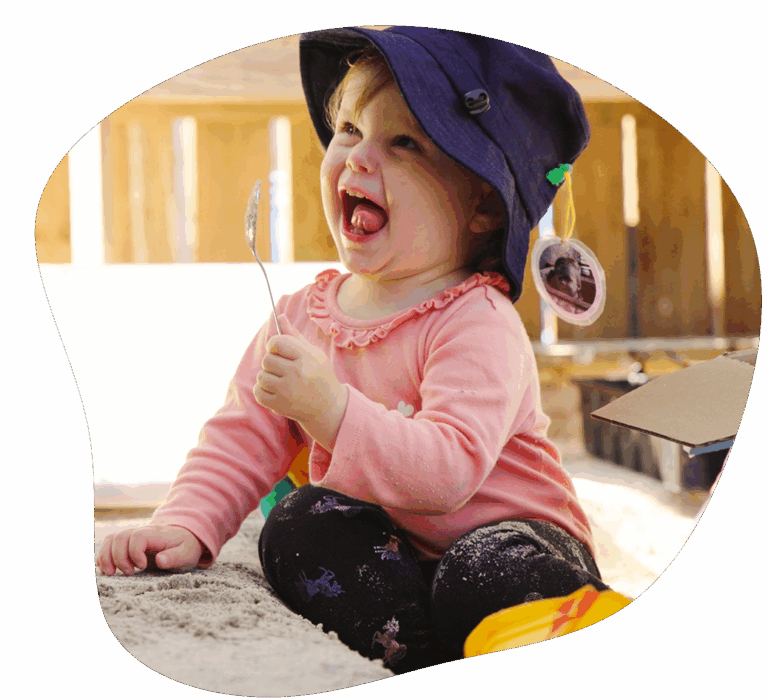
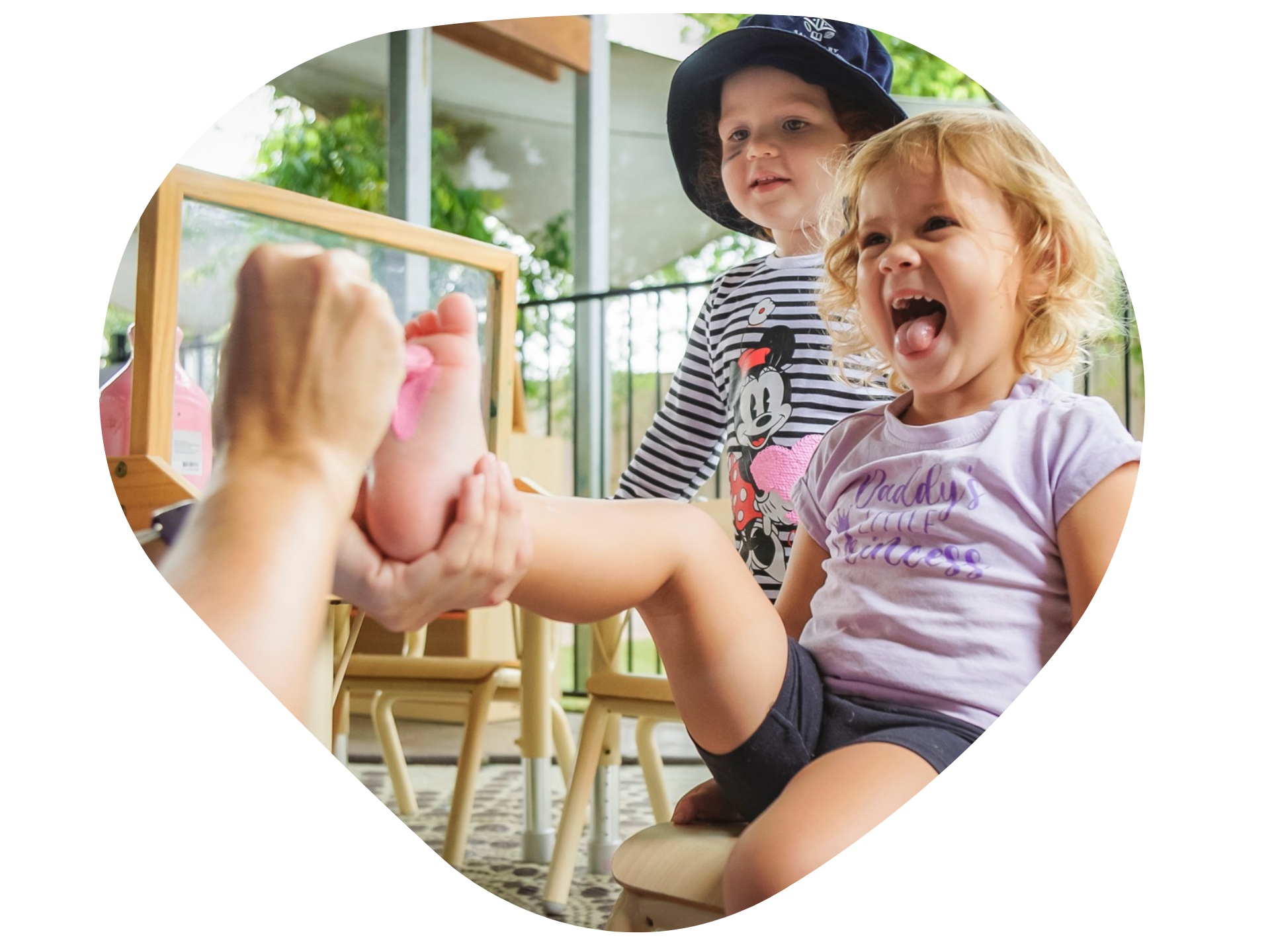
Squishing banana in tiny fingers may not look like learning - but it absolutely is.
In early childhood, some of the most meaningful learning happens through sensory exploration and food becomes one of the earliest sensory learning experiences children encounter.
Learning Healthy Relationships With Food Starts Early
The way children experience food in their earliest years often shapes their long-term relationship with eating.
Positive early experiences matter.
When children are given opportunities to explore food without pressure, they begin learning that food is safe, enjoyable and connected to routine, comfort and family connection. This is why responsive feeding is so important.
Responsive feeding simply means allowing children to lead the experience by recognising their own hunger and fullness cues. This might mean:
- allowing children to stop when they are full
- avoiding pressure to finish meals
- letting children touch and explore food
- keeping mealtimes calm and enjoyable.
These early experiences help build trust around food and trust matters.
What Early Childhood Educators Notice About Food Confidence
One of the beautiful things about early learning environments is seeing how children learn from one another.
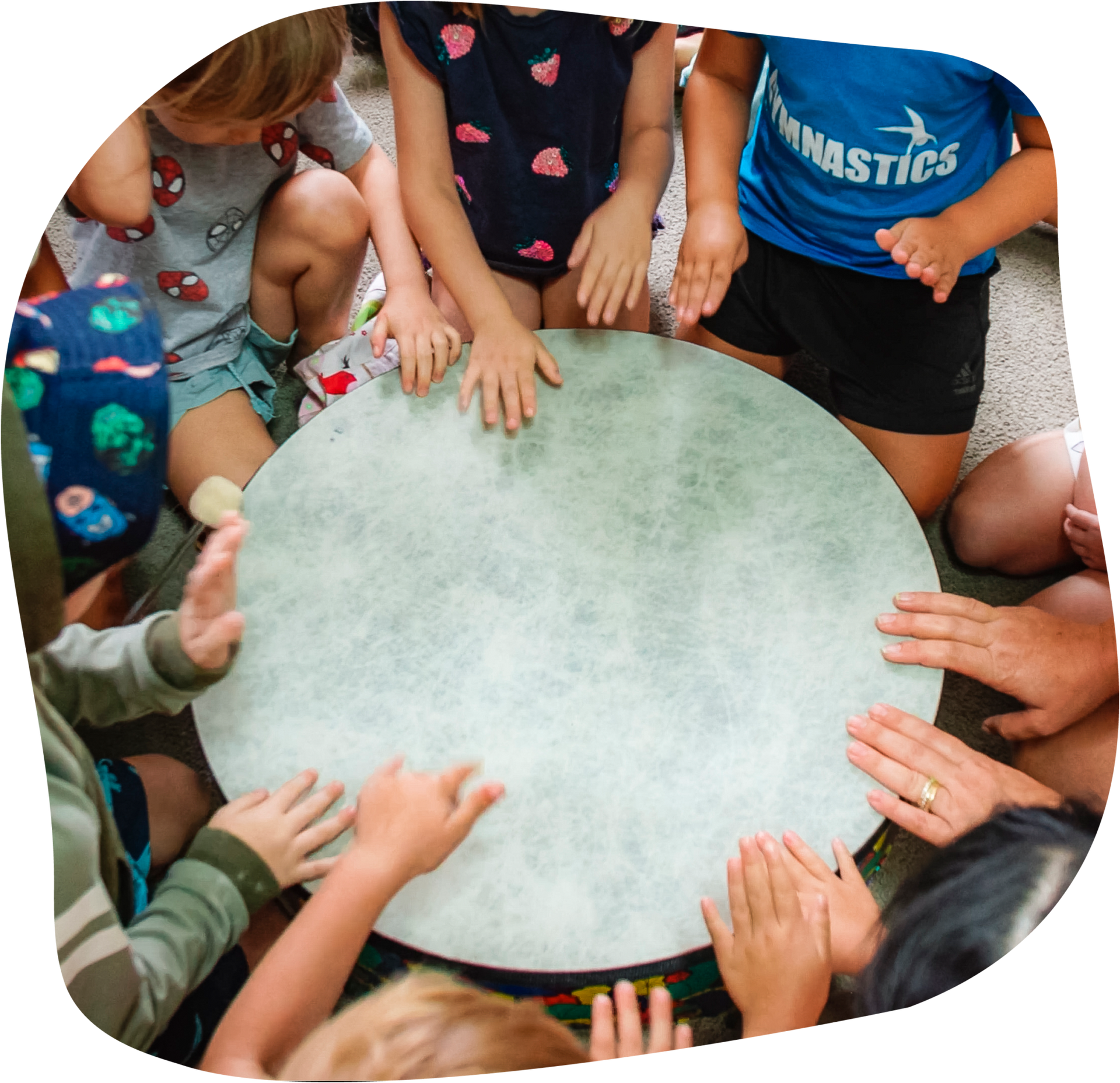
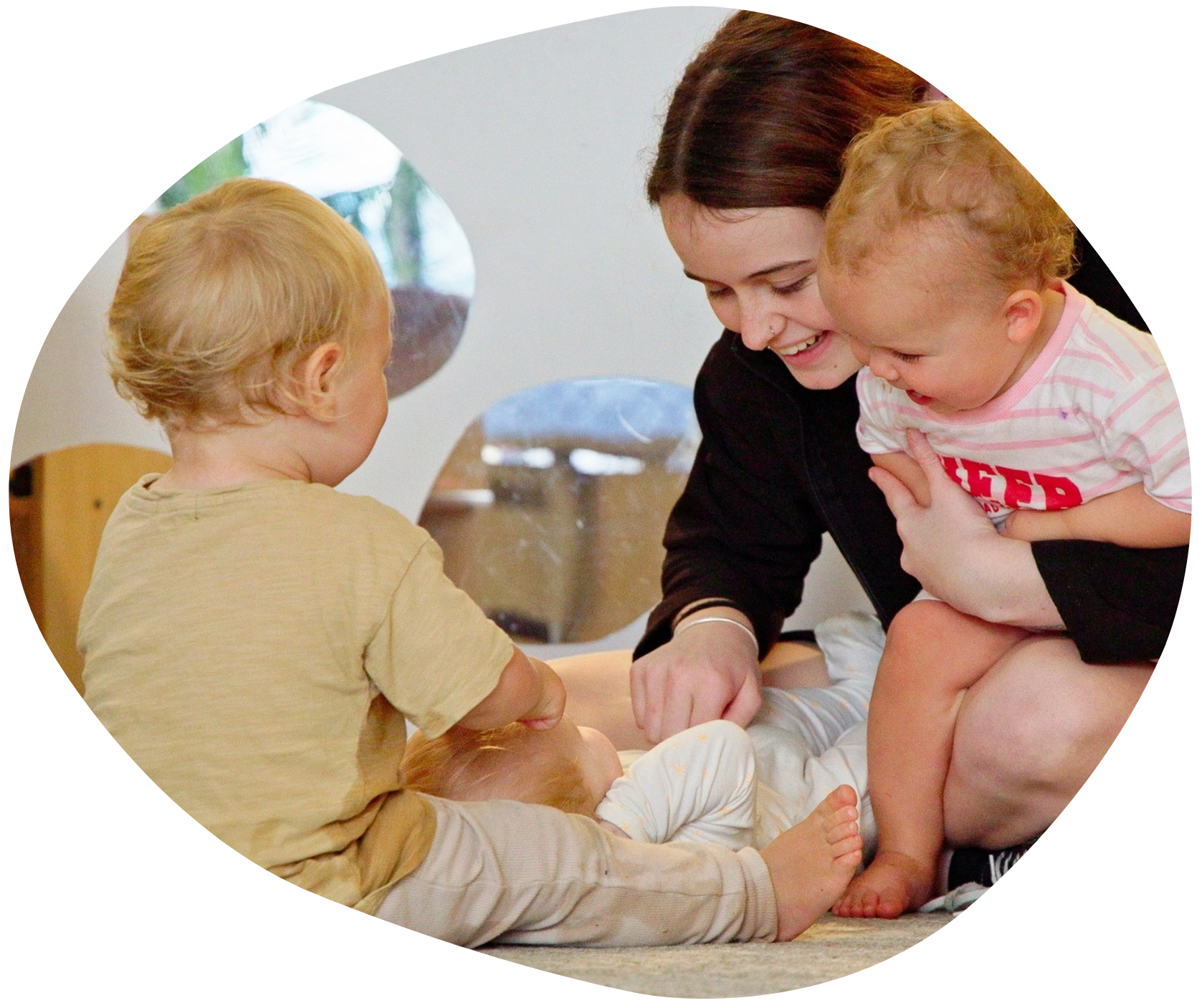
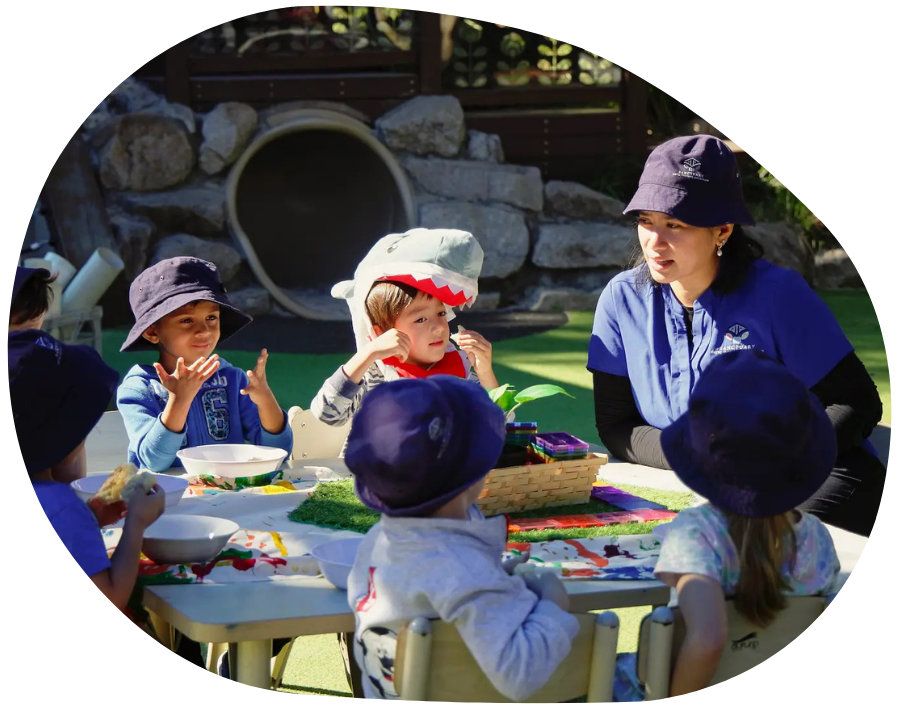
We often observe children becoming more confident around food simply by watching other children eat, explore and participate in shared mealtimes. Children naturally imitate. They observe. They experiment. They build confidence socially.
At Sanctuary, our educators understand that mealtimes are not simply care routines - they are learning opportunities.
Supporting children through milestones like introducing solids means recognising that development happens through the smallest everyday experiences.
Every morning tea. Every lunchtime.
Even the messy first attempts at holding a spoon.
Small Milestones Create Big Learning
Starting solids may feel like a feeding milestone, but in reality, it is one of the earliest developmental experiences children encounter. It teaches independence, strengthens confidence, encourages curiosity, develops coordination and it begins shaping lifelong habits around food, routine and self-trust.
At Sanctuary Early Learning Adventure, we know childhood is built through these seemingly small moments. Because every milestone - no matter how tiny - is part of a much bigger learning adventure.
Supporting every learning adventure
At Sanctuary, we believe children learn through every experience they encounter throughout the day. Milestones like starting solids may look simple from the outside, but they are often the beginning of something much bigger.
Confidence.
Independence.
Curiosity.
And the lifelong joy of learning.
If you want to learn more about one of our Sanctuary Centres, click the button below to enquire.
Frequently Asked Questions
What age should babies start solids?
Current Australian health guidelines recommend introducing solids at around six months of age, while continuing breastmilk or formula feeding.
What foods should babies eat first?
Iron-rich foods are recommended when beginning solids. This may include iron-fortified cereals, soft cooked egg, lentils, tofu, beans and soft vegetables.
How do I know if my baby is ready for solids?
Common readiness signs include good head control, sitting with support, showing interest in food and reduced tongue-thrust reflex.
Can babies eat allergen foods when starting solids?
Current Australian recommendations encourage early introduction of common allergens such as egg, peanut and dairy unless otherwise advised by your healthcare professional.
What foods should babies avoid before 12 months?
Babies under 12 months should avoid honey, whole nuts, foods high in added salt, foods high in added sugar and foods that create choking risks.
Is it normal if my baby does not eat much at first?
Yes. Early solids are largely about exploration, sensory development and learning rather than large food intake.
Why is self-feeding important?
Self-feeding helps develop independence, confidence, fine motor skills and healthy relationships with food.
Recent Articles From Sanctuary