The Sanctuary Family Model Of Support
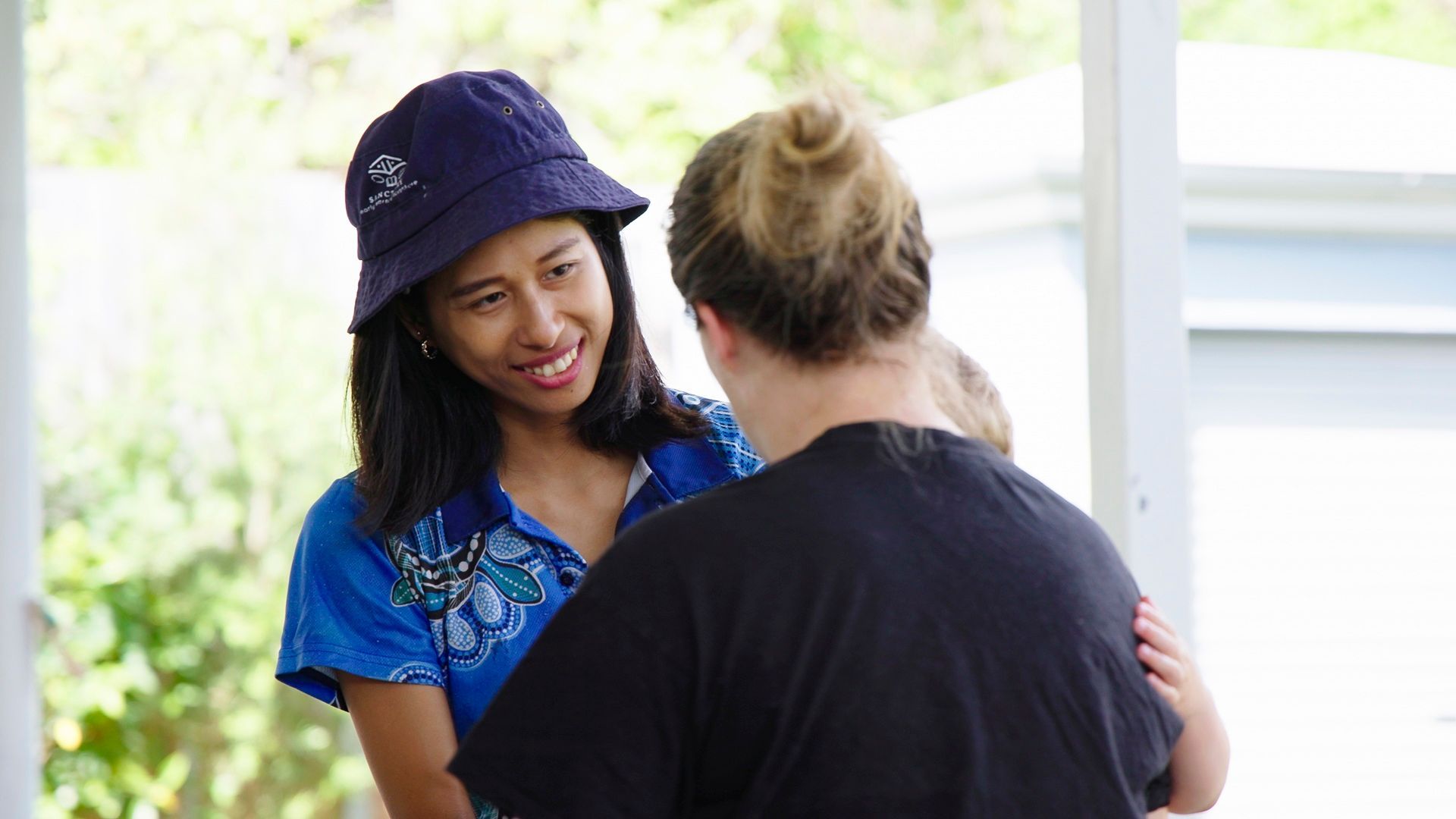
At Sanctuary, we believe that supporting a child means supporting the whole family.
Every family will experience challenges at different times in life. Some families may be navigating a disability diagnosis, mental health concerns, family stress, or periods of uncertainty. Others may simply need extra support during a difficult season.
We understand that no family’s journey looks the same. That’s why our approach is centred on connection, trust and genuine care.
Our Family Model of Support is designed to walk alongside families in a way that feels safe, respectful and supportive. It is a voluntary and personalised process that focuses on both the child and the family, helping build confidence, stability and connection over time.
Rather than offering a one-size-fits-all program, we work closely with families to understand what support may be helpful and how we can best walk alongside them.
The four pillars of our approach
Our Family Model of Support is guided by four key pillars:
- Intentional support tailored to each family
Every family has different experiences, strengths and needs. We take the time to understand each family’s situation and create support that feels practical and meaningful. - A voluntary process built on trust
Relationships matter. Families are always supported without judgement, pressure or expectation. We believe trust grows through consistency, care and genuine connection. - A structured yet flexible approach
Life changes, and support needs can change too. Our model provides consistency while remaining flexible enough to adapt as families move through different stages and challenges. - Connection to education, care and community
We help families feel connected not only within our early learning environment, but also to the wider support networks and services available in the community.
Supporting families in practical and meaningful ways
For some families, having a trusted support network can make all the difference.
Our role is not to have all the answers, but to help families feel seen, heard and supported while connecting them with the right people, services and opportunities along the way.
Depending on a family’s individual needs, support may include:
- referrals to support services
- Team Around the Child meetings
- transition to school planning
- referrals for psychology or mental health support
- family support groups
- housing support referrals
- food insecurity support
- support with home routines and time management
- parenting programs, including Circle of Security and Triple P Online.
Some families may need short-term support, while others may benefit from ongoing connection over time. There is no set formula. Every support plan is shaped around what feels helpful, achievable and appropriate for that family.
Why connection matters
Families who feel connected and supported are often better able to navigate challenges with confidence.
For families with limited support networks, our model can also provide something equally important — a sense of belonging. Through trusted relationships within our learning community, families can gradually build confidence, access support and strengthen connections with the wider community around them.
We believe that when families feel safe, supported and connected, children are more likely to thrive emotionally, socially and developmentally.
That belief sits at the heart of everything we do at Sanctuary.
A village approach to support
At Sanctuary Early Learning Adventure, we are proud to be part of the village that supports children and families through every season of life.
We know that sometimes the most meaningful support comes from simply showing up, listening and walking alongside someone when they need it most.
"It takes a village, and we choose to be part of yours."
Our Family Model of Support is designed to help children and families feel seen, valued and supported through every stage of their journey.
Connect with your nearest Sanctuary centre to learn more.
connect with us
✨ Thank you for your enquiry.
Our friendly team will be in touch shortly to help you take the next step with Sanctuary Early Learning Adventure.
Oops, there was an error sending your message.
Please try again or call 1300 00 PLAY.
What is the Sanctuary Family Model of Support?
The Sanctuary Family Model of Support is a personalised and voluntary approach designed to support both children and their families. We work alongside families to provide connection, guidance and practical support during different stages of life and parenting.
What types of support does Sanctuary offer families?
Support may include referrals to external services, transition to school planning, parenting programs, mental health support referrals, Team Around the Child meetings, and practical assistance such as food or housing support connections.
How does Sanctuary support children with additional needs?
We work closely with families, educators and external professionals to create supportive and inclusive learning environments. Every child is unique, and support strategies are tailored to meet individual strengths, needs and goals.
Can Sanctuary help connect families with community services?
Yes. Where appropriate, we can help families connect with local support services and community organisations that may assist with wellbeing, health, parenting or family support needs.
How do families access support through Sanctuary?
Families can speak with their Centre Director or team members at any time. Support begins with open and respectful conversations about what may be helpful for the child and family.
Is support ongoing or short term?
Every family’s situation is different. Some families may need support for a short period, while others may benefit from ongoing connection and guidance over time. Our approach is flexible and responsive to changing needs.
Why is family connection important in early learning?
Children thrive when families feel supported, connected and confident. Strong partnerships between families and educators help create consistency, emotional security and positive outcomes for children.
Recent Articles From Sanctuary