Fussy eaters and family mealtimes: a calm approach to food

Preparing a meal with care, only to have your child refuse it, can feel frustrating and worrying. You are not alone.
Fussy eating is common during the toddler and preschool years. A calm routine, repeated exposure to different foods and less pressure at the table can help children build confidence and develop a positive relationship with food over time.
Why do young children become fussy eaters?
Fussy eating usually peaks in the toddler and preschool years, and there are good developmental reasons for it.
As children grow, their once rapid growth slows, so their appetite naturally decreases.
They are also developing independence, and food is one of the few areas where a small child can exercise real control.
Add a natural wariness of new foods, which is a normal survival instinct, and you have the perfect recipe for a fussy eater.
Understanding this can take some of the worry out of those tricky meals.
IF YOUR CHILD ONLY EATS BEIGE FOODS
Some families may say their child only eats 'beige' food - when a child mainly prefers foods with similar colours, flavours or textures, such as bread, pasta, crackers, cereal or crumbed foods.
This pattern can happen because familiar foods feel predictable. Many beige foods have a consistent taste and texture, while fruit, vegetables and mixed meals may look or feel different each time they are served.
It also does not mean that familiar beige foods are bad. These foods may help a child feel safe and comfortable while they gradually learn about other tastes and textures.
Rather than removing preferred foods, try using them as a familiar starting point. You might:
- serve one familiar food alongside another food
- introduce small changes to shape, texture or presentation
- place a new food nearby without requiring your child to eat it
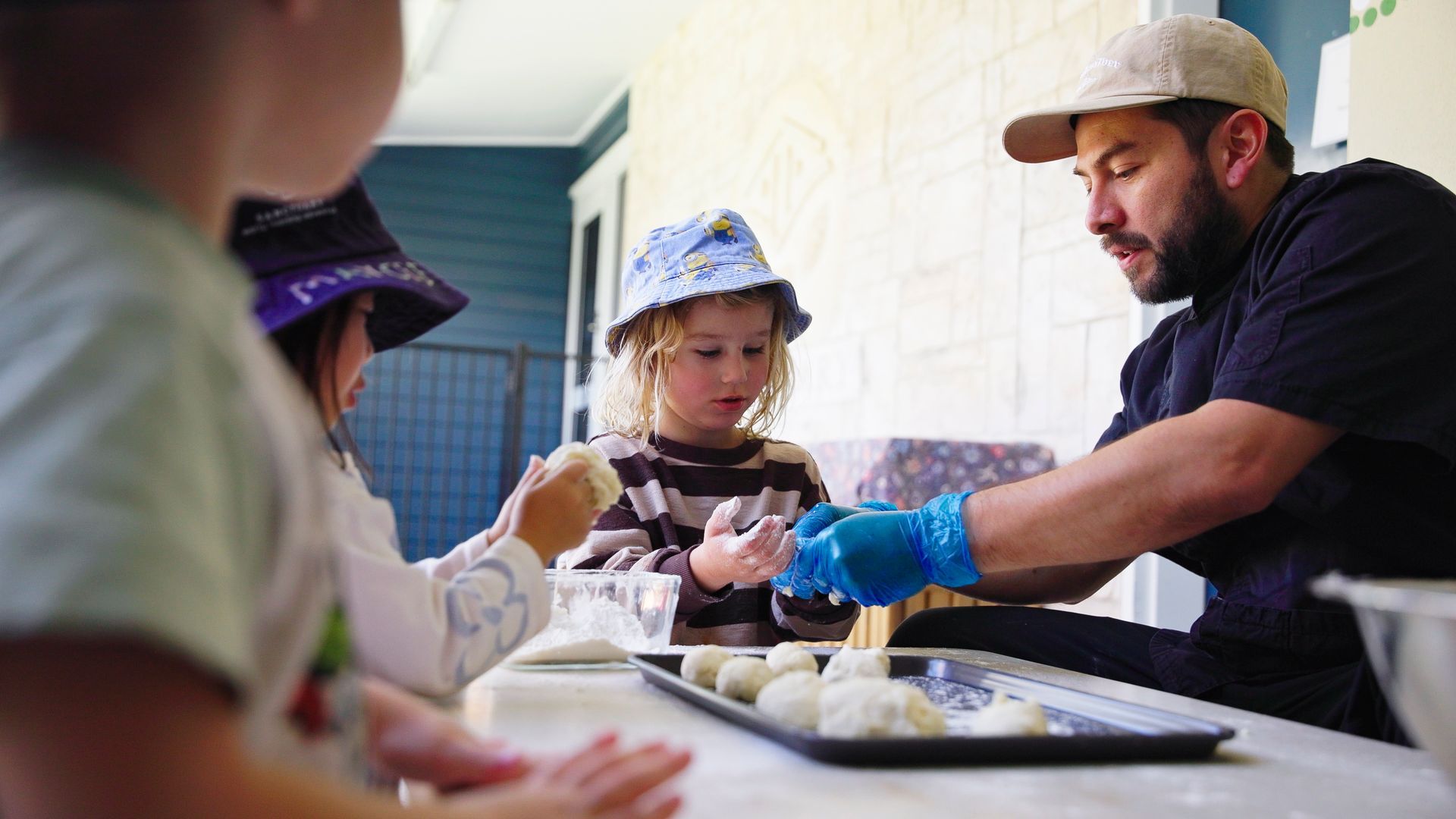
- involve your child in shopping, preparing or serving food
- continue offering variety calmly over time.
A child does not need to eat a colourful plate at every meal. Looking at the broader pattern across days and weeks can be more helpful than judging one meal.
What is the division of responsibility at mealtimes?
A helpful way to think about family meals is to separate the adult’s role from the child’s role.
Your job is to offer good food in a calm setting. Your child's job is to decide whether and how much to eat.
Parents and carers decide:
- what food is offered
- when meals and snacks are served
- where eating takes place.
Children decide:
- whether they will eat
- which offered foods they will eat
- how much they will eat
This approach allows adults to provide nourishing options and dependable routines while helping children listen to their own hunger and fullness cues.
Pressure, bargaining or forcing a child to eat can sometimes increase resistance. Calm consistency is usually more helpful.
What strategies can help with fussy eating?
Small, repeated actions can make mealtimes feel more relaxed.
Offer variety without pressure
Continue to offer a range of familiar and less familiar foods. A child does not need to taste every food each time it appears.
Simply seeing, smelling or touching a food can be part of becoming comfortable with it.
Include a familiar food
Where possible, include at least one food your child usually enjoys. This can help the meal feel safe and familiar while other foods remain available to explore.
Serve small portions
Large servings can feel overwhelming. Begin with a small amount and allow your child to ask for more.
Eat together when you can
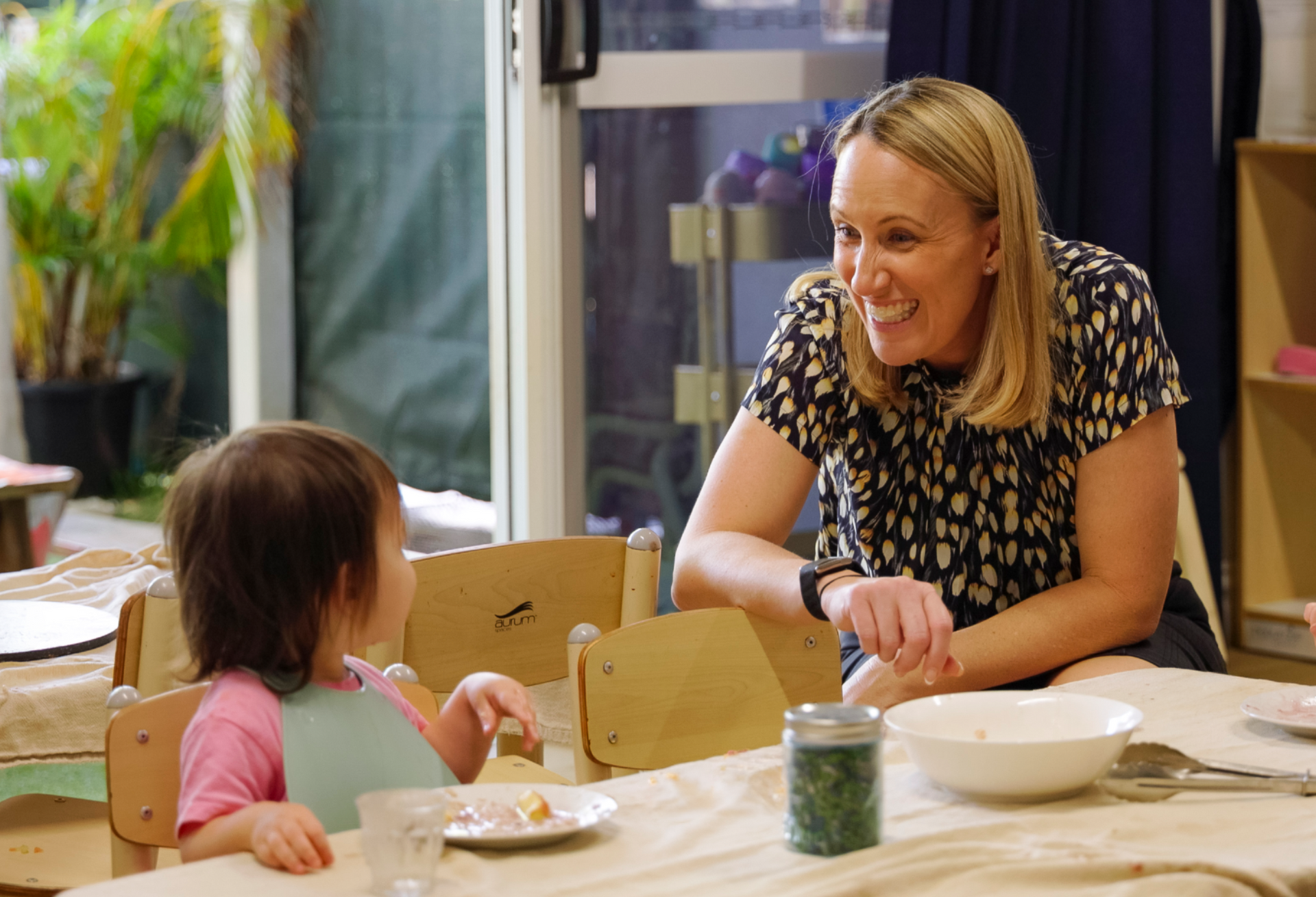
Children learn by watching trusted adults. Sharing meals gives them opportunities to see others enjoying different foods in a relaxed setting.
Keep the mood positive
Try to keep the table free from arguments, bribes and pressure. Conversation, connection and predictable routines can help children feel secure.
Avoid using food as a reward
Using dessert or another preferred food as a reward can make that food seem more valuable than the meal itself.
Instead, offer food without attaching it to behaviour, praise or punishment.
How many times should children try a new food?
Here is something genuinely reassuring: children often need to be offered a new food many times, sometimes ten or more, before they will accept it.
A rejection today is not a no forever.
By continuing to offer foods calmly and without pressure, you give your child the repeated, low stress exposure they need to slowly grow more comfortable.
Patience really is the key ingredient.
How can children be involved in family meals?
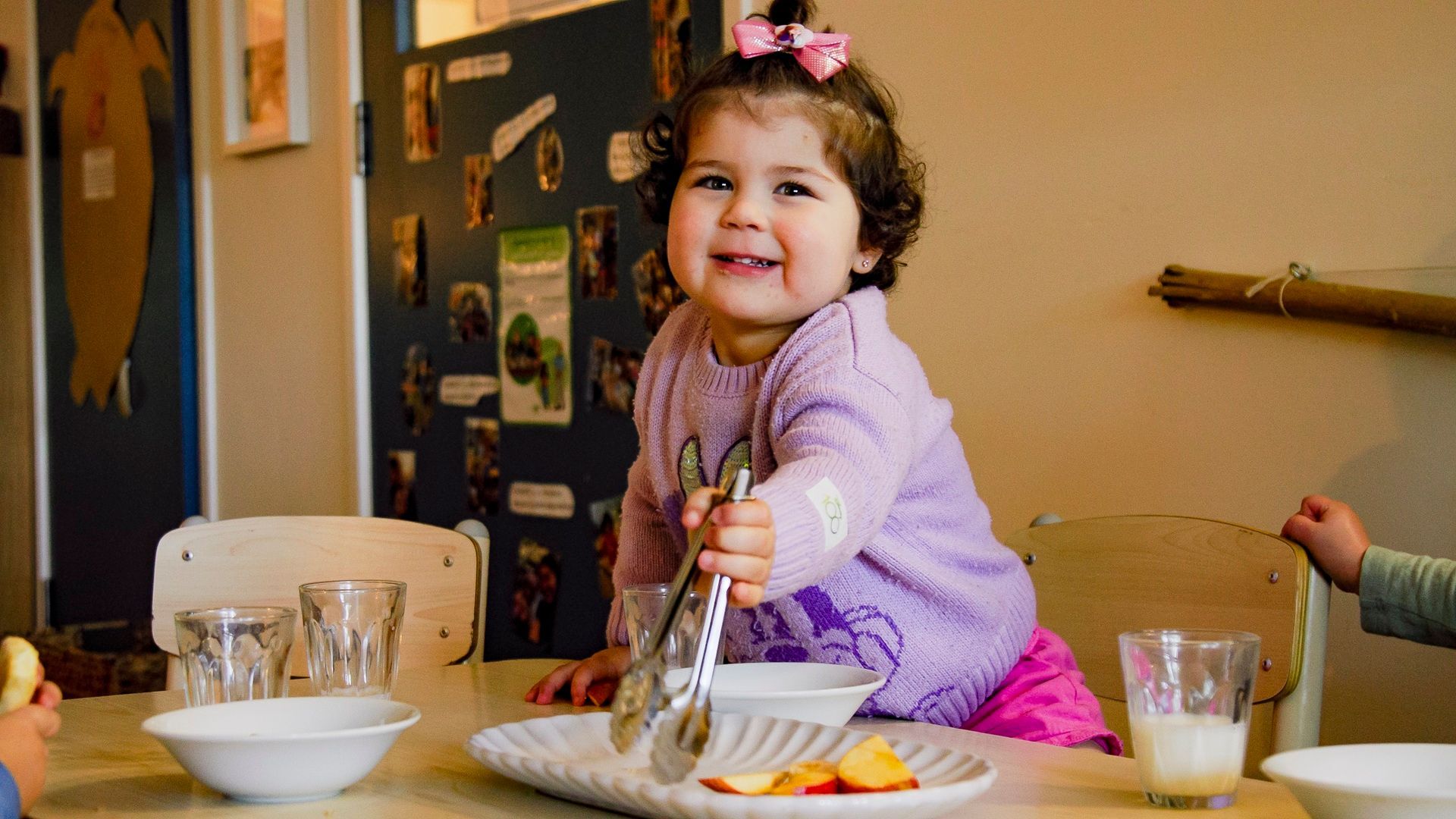
Children are often more interested in food when they have been involved in preparing or serving it.
Depending on their age, children can help by:
- washing fruit and vegetables
- stirring ingredients
- choosing between two suitable options
- placing napkins or cutlery on the table
- serving food with assistance
- growing herbs or vegetables
- helping pack away after the meal.
These experiences support independence and practical life skills. They can also make food feel more familiar before it reaches the plate.
How does Sanctuary support positive mealtimes?
At Sanctuary Early Learning Adventure, we see mealtimes as opportunities for connection, learning and wellbeing.
Across Sanctuary Ashmore, Sanctuary Buderim, Sanctuary Health and Knowledge Precinct in Southport, Highfields Child Care Centre, Sanctuary Maudsland and Sanctuary Redlynch, our teams aim to create calm, social and welcoming mealtime experiences.
Depending on the age group and daily routine, children may be invited to help prepare the table, serve food or take part in age-appropriate food experiences.
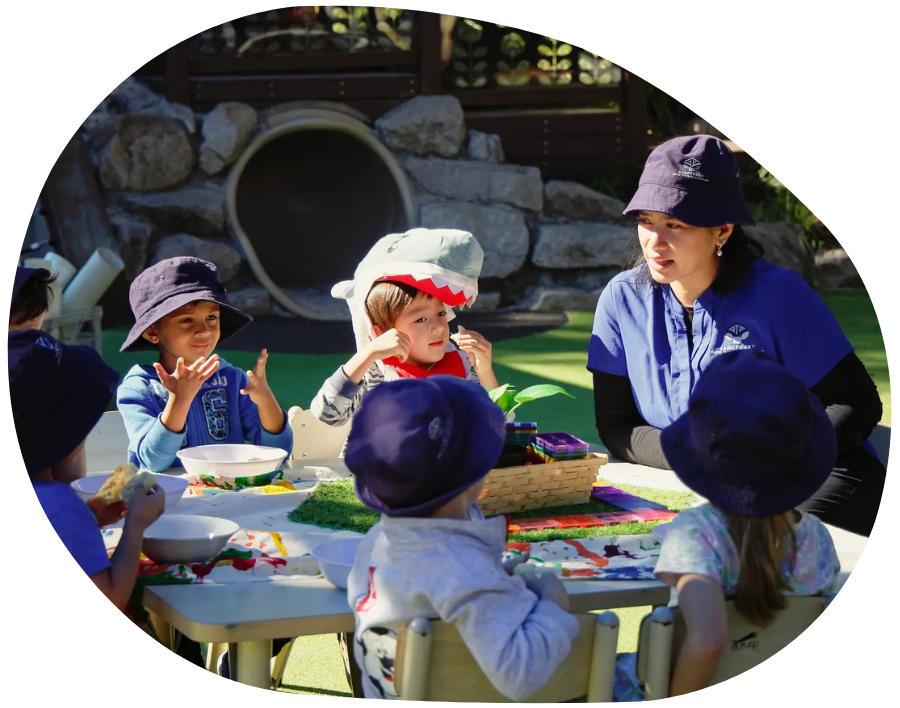
Our Educators sit with children, encourage conversation and model positive food habits. Children are supported to explore food without being forced to eat.
These moments can help children build:
- confidence and independence
- social skills
- practical life skills
- familiarity with a range of foods
- positive routines around eating.
Mealtimes also connect with Sanctuary’s focus on health and wellbeing, creativity, life skills, curriculum and sustainability.
What can families and Educators do together?
Consistent communication between home and the centre can help children feel supported.
Families can share information about:
- familiar foods
- allergies or dietary requirements
- cultural food practices
- recent changes in eating
- foods a child is learning to explore
- any concerns about mealtimes.
Educators can share observations about how a child participates in group meals, responds to different foods and manages daily routines.
This partnership helps us provide a caring, respectful and individual approach.
WHY MIGHT CHILDREN EAT DIFFERENTLY AT DAYCARE?
Families sometimes notice that their child tries foods at child care that they refuse at home. Children often respond differently depending on the setting, the people around them and the daily routine.
Research suggests several reasons children may feel more willing to explore food in an early learning environment:
- they see other children eating and enjoying the same food
- Educators model calm and positive eating habits
- meals follow a familiar and predictable routine
- foods are offered repeatedly without pressure
- shared meals feel social and enjoyable
- children can explore food independently alongside their peers.
Watching trusted adults and other children can make an unfamiliar food feel safer. Regular, low-pressure exposure can also help children become comfortable with a food before they are ready to taste or eat it.
Not every child will eat more at child care, and eating patterns can change from day to day. The goal is not to compare home and the centre. Instead, families and Educators can share what they observe and work together to support each child’s confidence, comfort and wellbeing around food.
When should families seek extra support?
Fussy eating is often a normal stage. However, it is important to seek advice if you are concerned.
Speak with your general practitioner, child health nurse or an accredited practising dietitian if your child:
- is losing weight or not growing as expected
- eats a very limited range of foods
- regularly coughs, chokes or struggles while eating
- appears distressed around food
- avoids entire food groups
- has ongoing pain, vomiting or digestive concerns
- has feeding difficulties that affect family life.
Families know their children best. It is always appropriate to ask for support.
How can we make mealtimes feel calmer?
Focus on what you can control: the food offered, the routine and the atmosphere.
Your child may not eat every food or the same amount at every meal. That is okay. A steady, patient and pressure-free approach can help the family table remain a place of connection.
Over time, these everyday experiences can support children to become more confident, curious and comfortable with food.
Is fussy eating normal in toddlers?
Yes. Many toddlers become selective about food as their growth, appetite and independence change. This phase can continue through the preschool years.
Why does my child only eat beige food?
Children may prefer beige foods because they are familiar and often have predictable flavours and textures. Continue serving preferred foods while calmly offering small amounts of other foods without pressure.
Should I remove beige foods from my child’s diet?
It is usually more helpful to keep familiar foods available while gently introducing variety. Removing preferred foods suddenly may make mealtimes more stressful.
Should I make a separate meal if my child refuses dinner?
You do not always need to prepare a completely separate meal. It can help to include one familiar food alongside the family meal and allow your child to choose from what is offered.
Should I ask my child to take one bite?
Some children respond well to gentle encouragement, but pressure can make food refusal stronger. It is often more helpful to let children explore food at their own pace.
Can children help prepare meals?
Yes. Simple tasks such as washing vegetables, stirring ingredients and setting the table can build confidence and interest in food.
When should I speak with a health professional?
Seek advice if your child is losing weight, struggling to chew or swallow, eating a very restricted range of foods, or becoming highly distressed at mealtimes.
Why does my child eat foods at child care but not at home?
Children may be influenced by their peers, familiar routines and positive Educator role modelling.
Recent Articles From Sanctuary