
The Babies Room at Sanctuary HKP Southport: What Parents Can Expect

Emma Rossely • April 14, 2026

A calm nurturing start for your child's early learning journey

Starting your baby in care can feel like a big step. You want to know they’ll be safe, supported and genuinely cared for throughout the day.

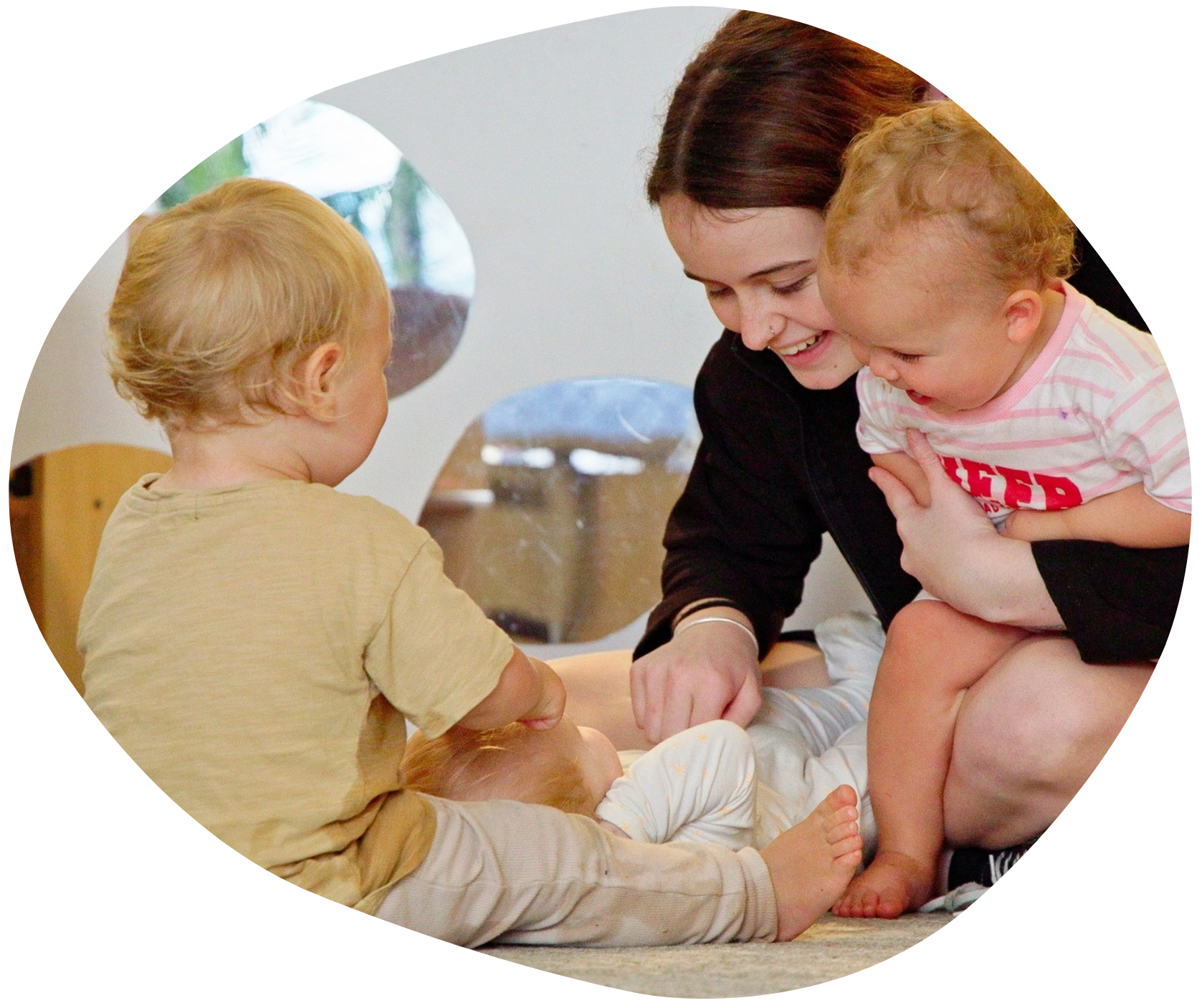
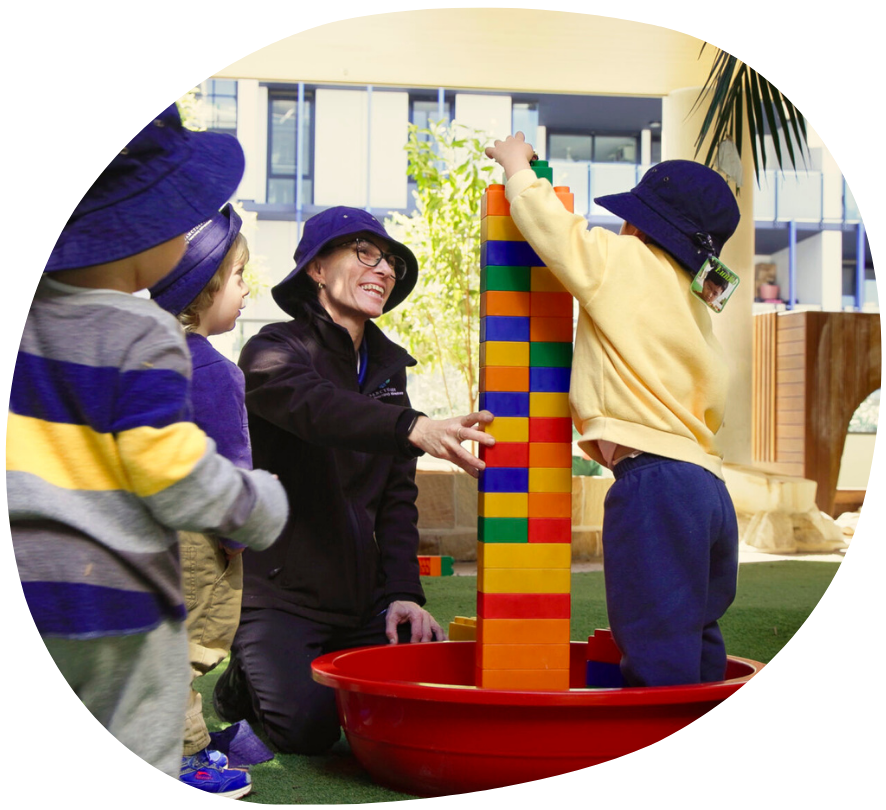
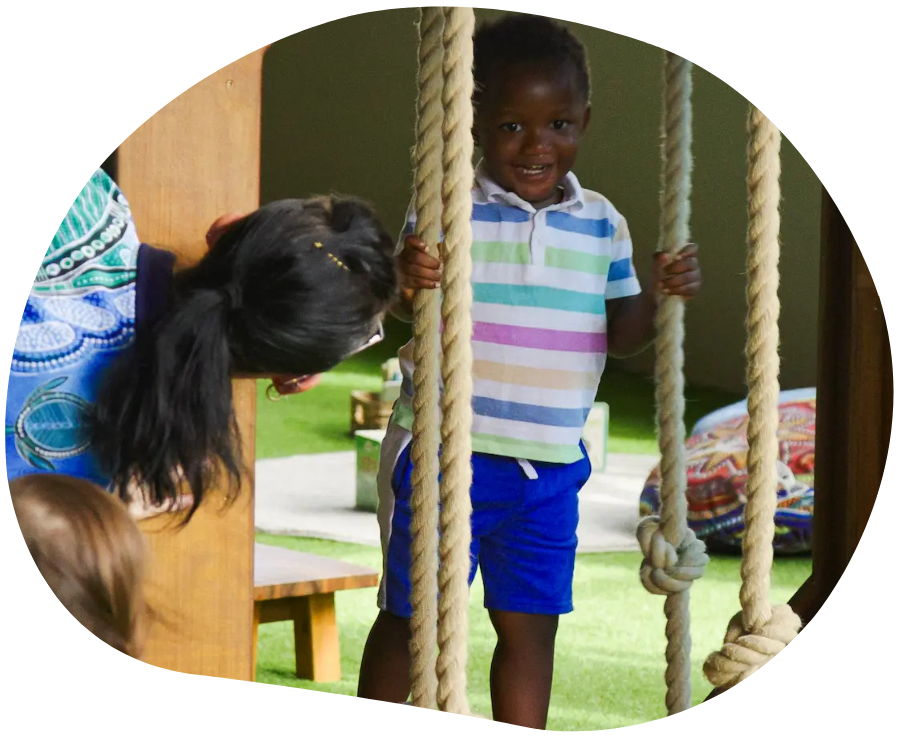
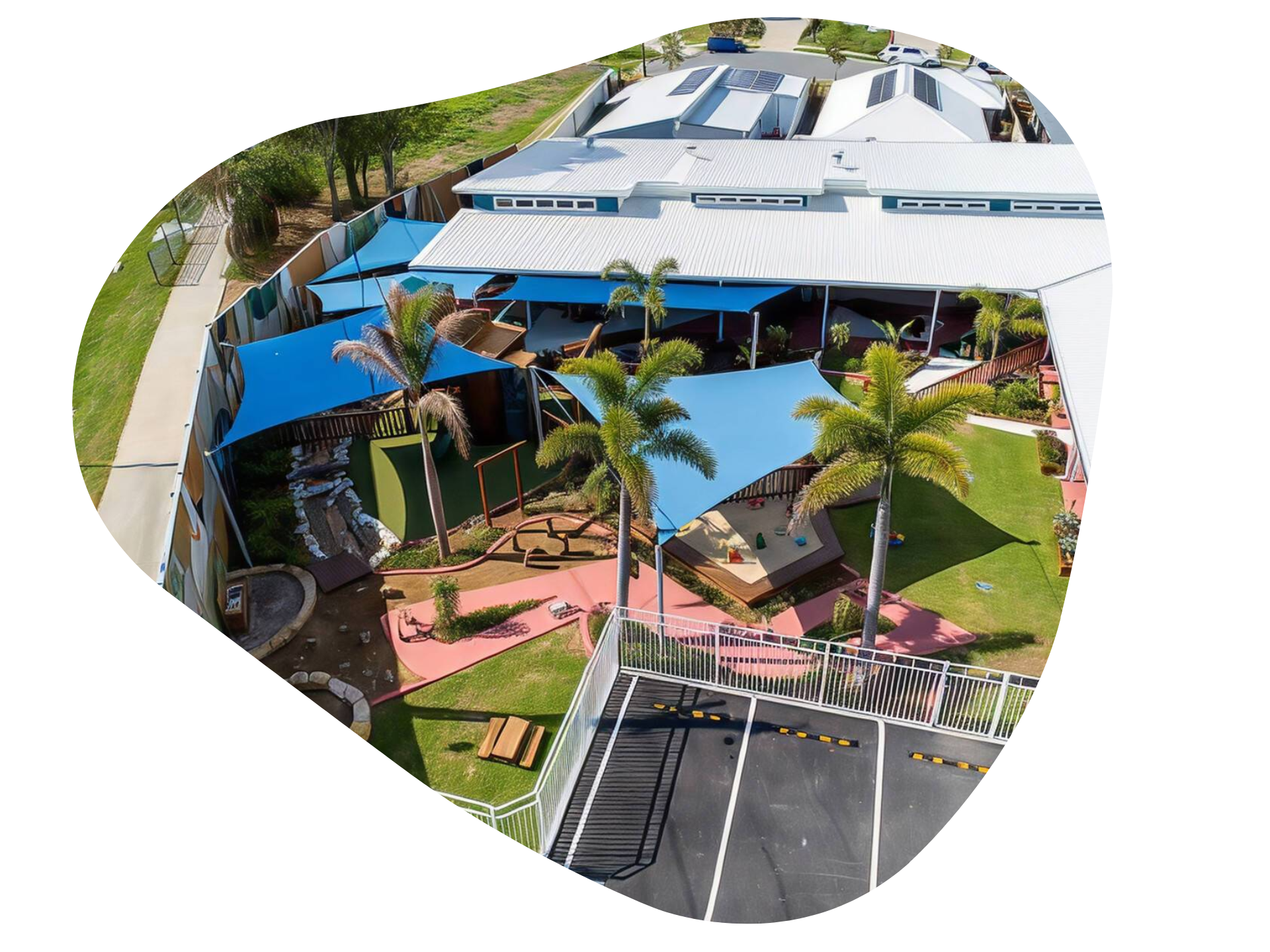
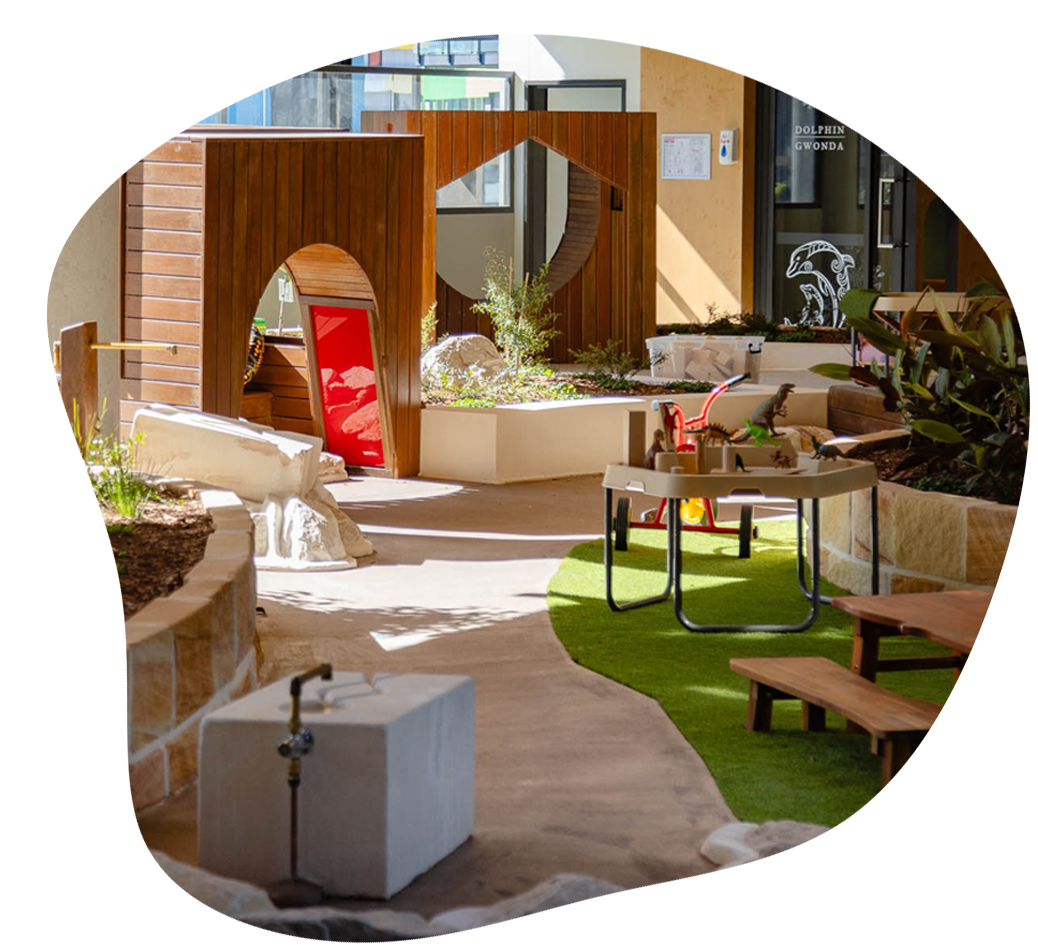
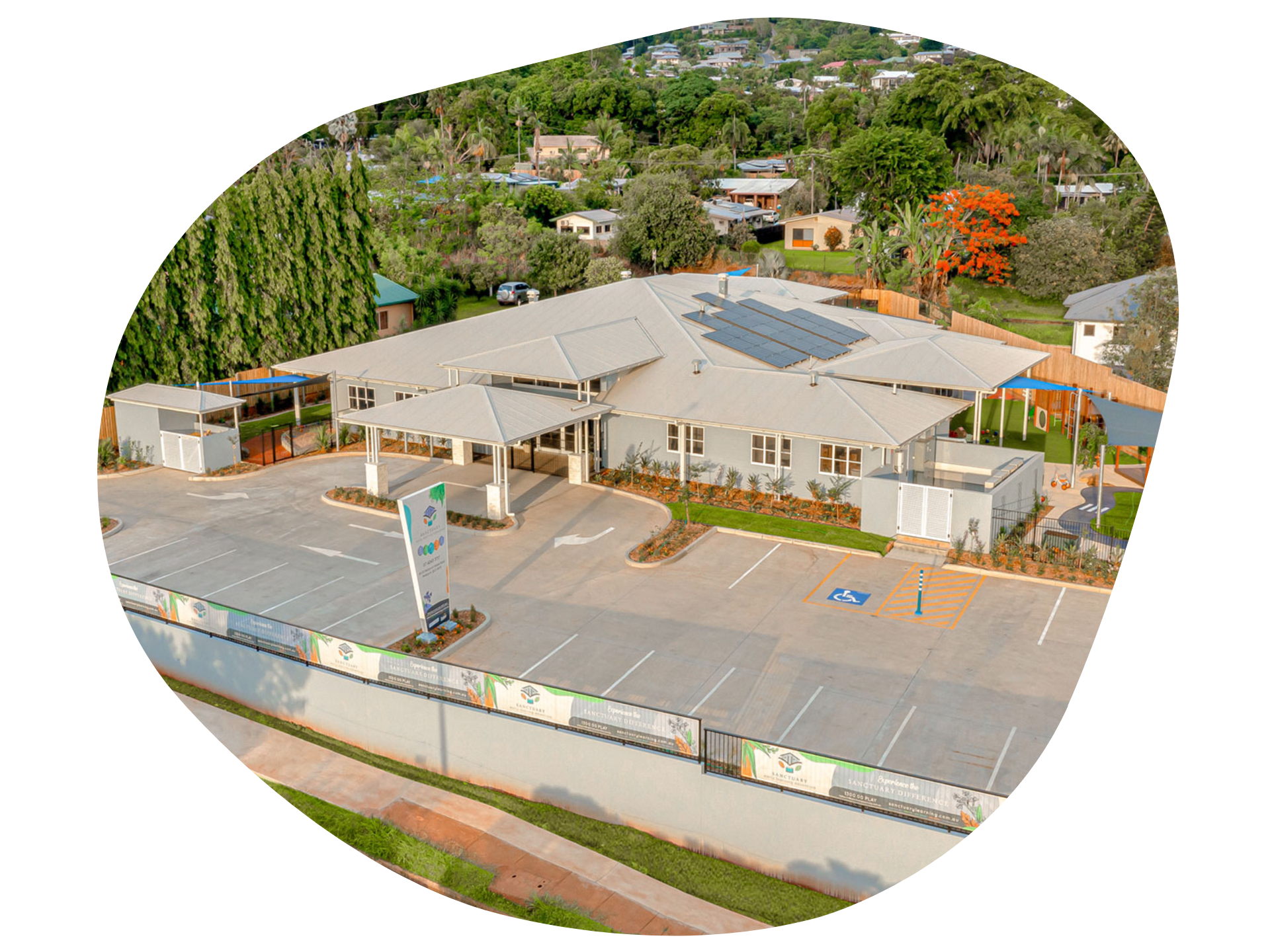
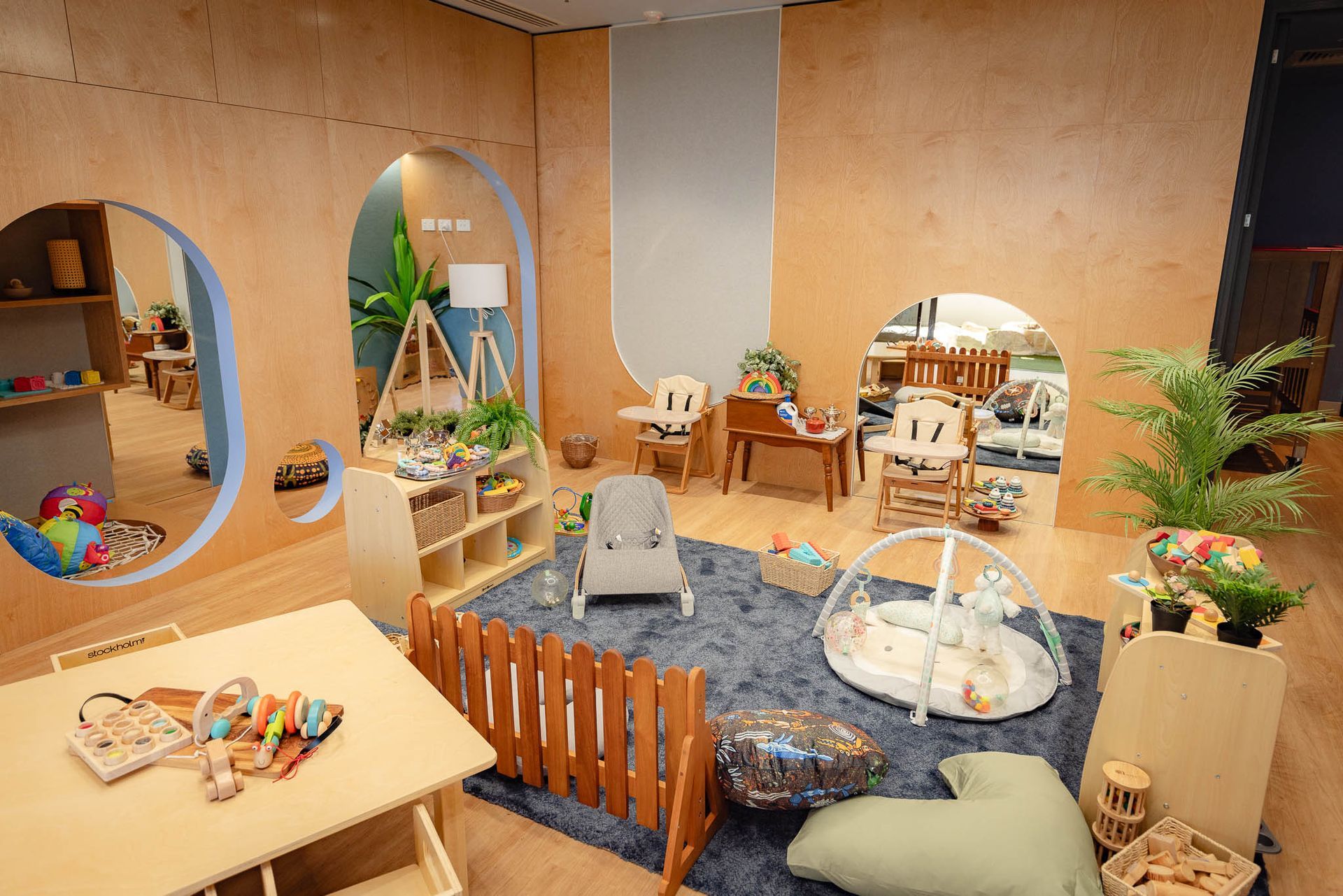
At Sanctuary Health and Knowledge Precinct (HKP) in Southport, our Baby Rooms provides a calm, nurturing, and home-like environment where your baby is cared for in a small group setting with consistent educators.

What makes a great babies room?

A quality babies room is responsive, calm and designed around the needs of infants within a safe group environment.

In our Sanctuary HKP Babies Room, we focus on:

  • small group sizes
  • consistent educators who build strong, familiar relationships
  • calm spaces for rest, feeding and play
  • safe environments designed for exploration
  • flexible routines that reflect each child’s needs within the group.


This balance helps babies feel secure while also becoming comfortable in a shared environment.

How do we support your baby's wellbeing and routine?

Every baby has their own rhythm—and we respect that within our daily flow.

We work closely with families to align with your baby’s:

  • feeding routine
  • sleep patterns
  • comfort needs
  • stage of development.

While care is provided within a group setting, we ensure each child’s needs are recognised and supported throughout the day. This consistent and thoughtful approach supports emotional wellbeing and a strong sense of security .

What does learning look like for babies?

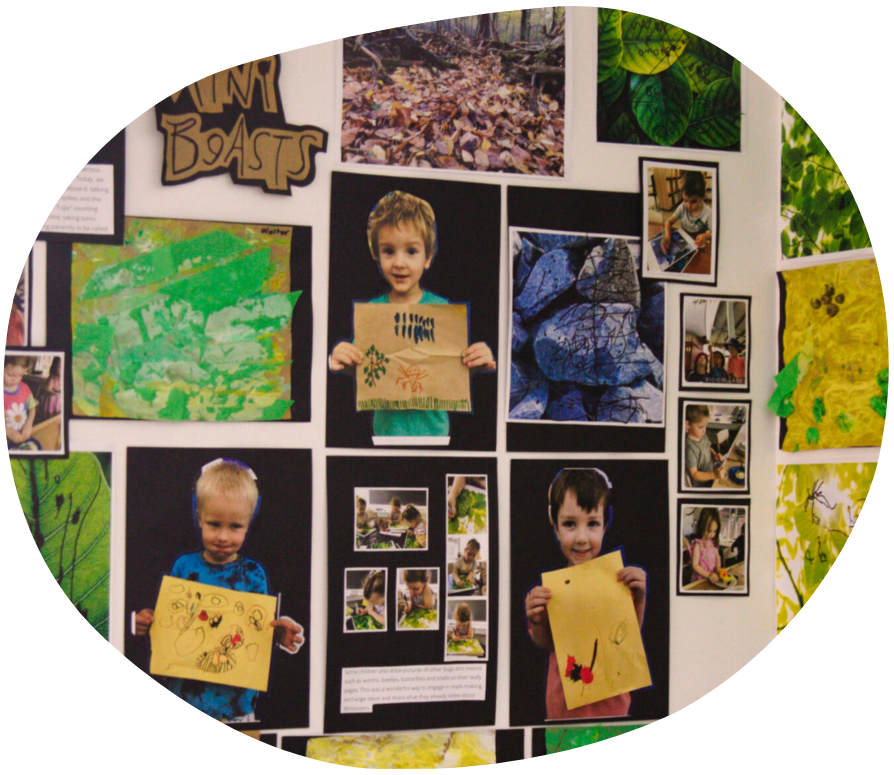
Learning in the Babies Room is gentle, sensory and guided through everyday experiences.

Your baby will engage in:

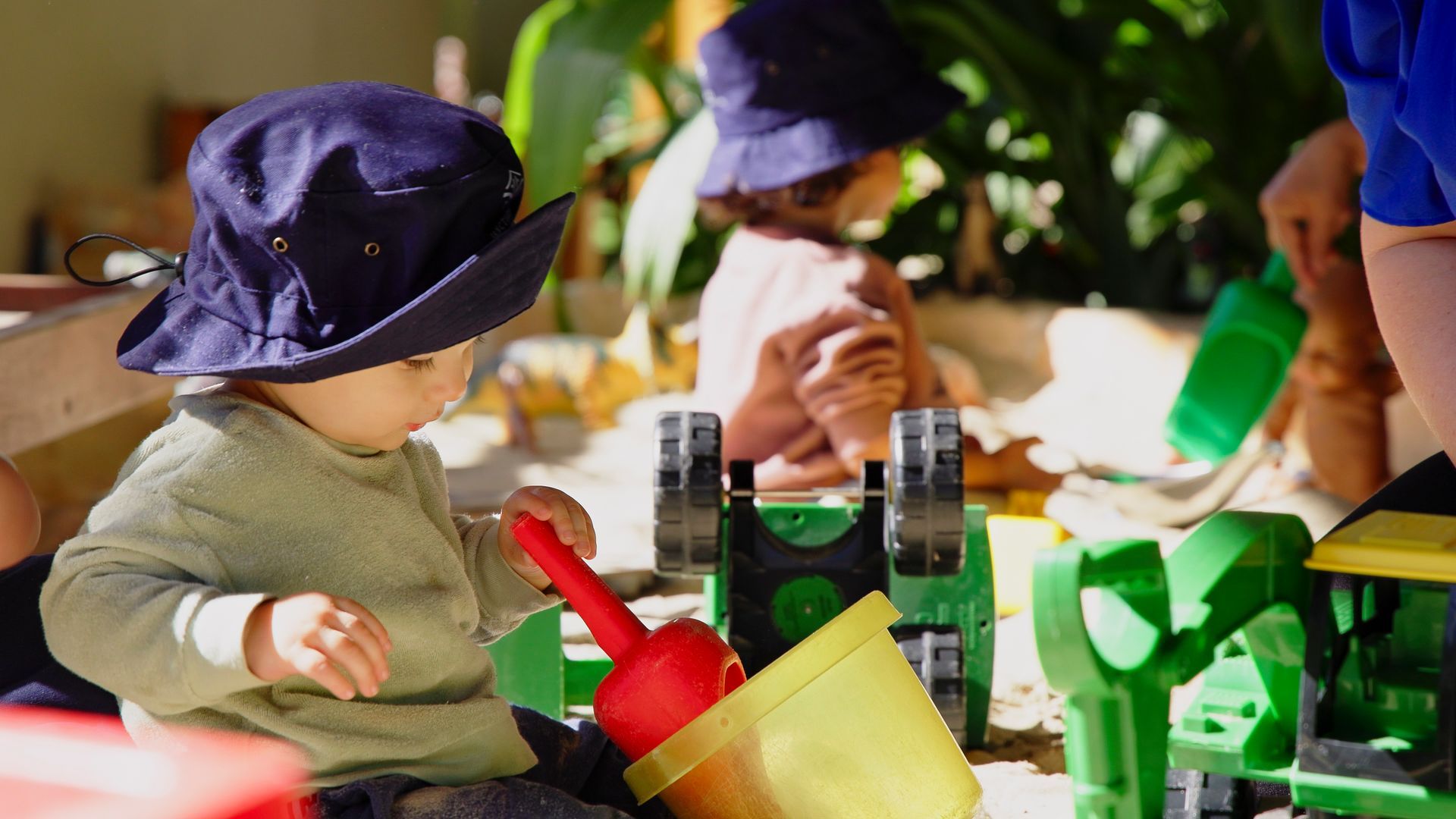
  • sensory exploration (textures, sounds and movement)
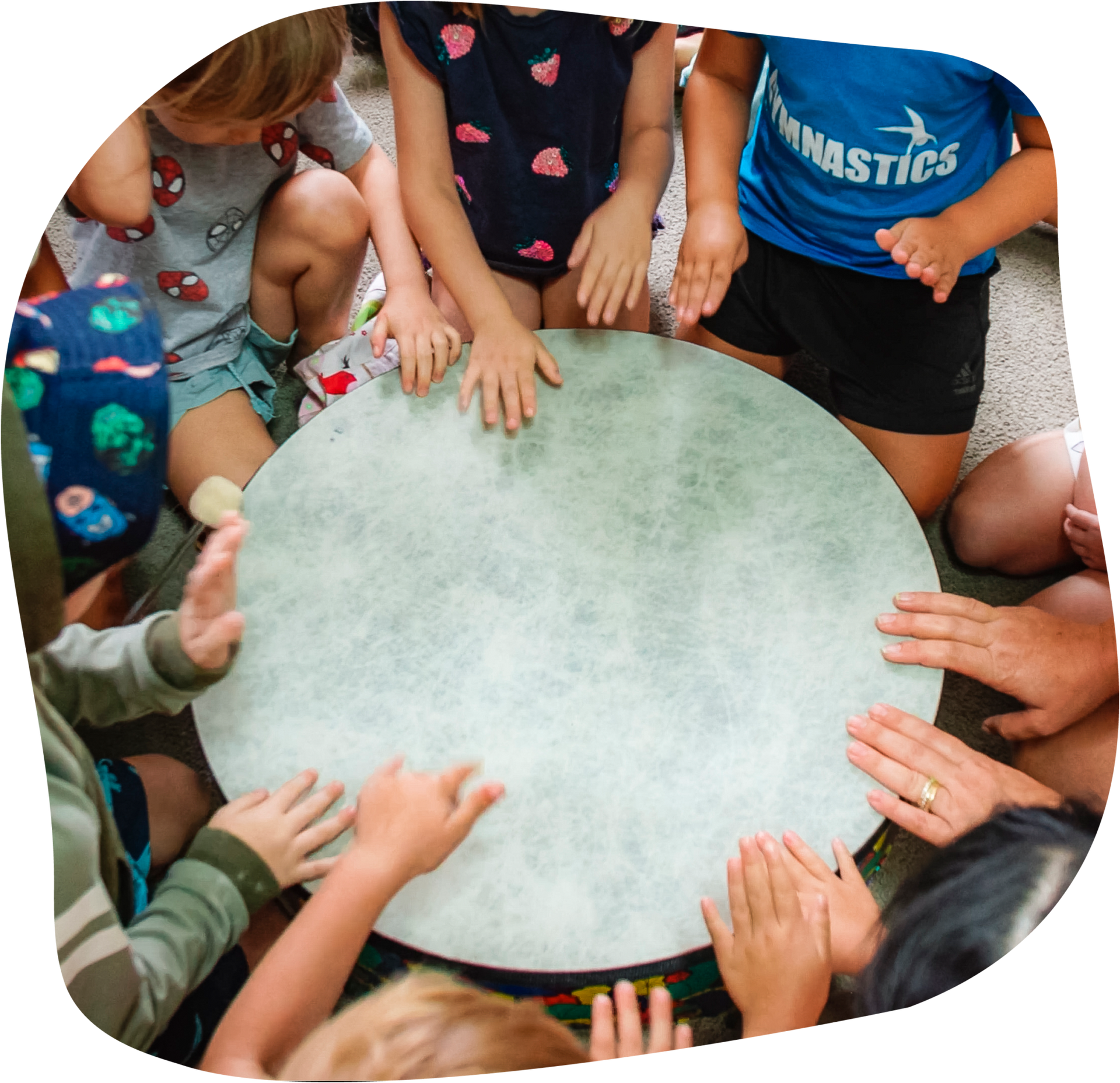
  • music, rhythm and early language exposure
  • physical development like tummy time and movement
  • visual and tactile play
  • group-based interactions and shared experiences.

Educators support and guide these moments, helping babies build confidence and curiosity at their own pace.

How do we build strong relationships with families?

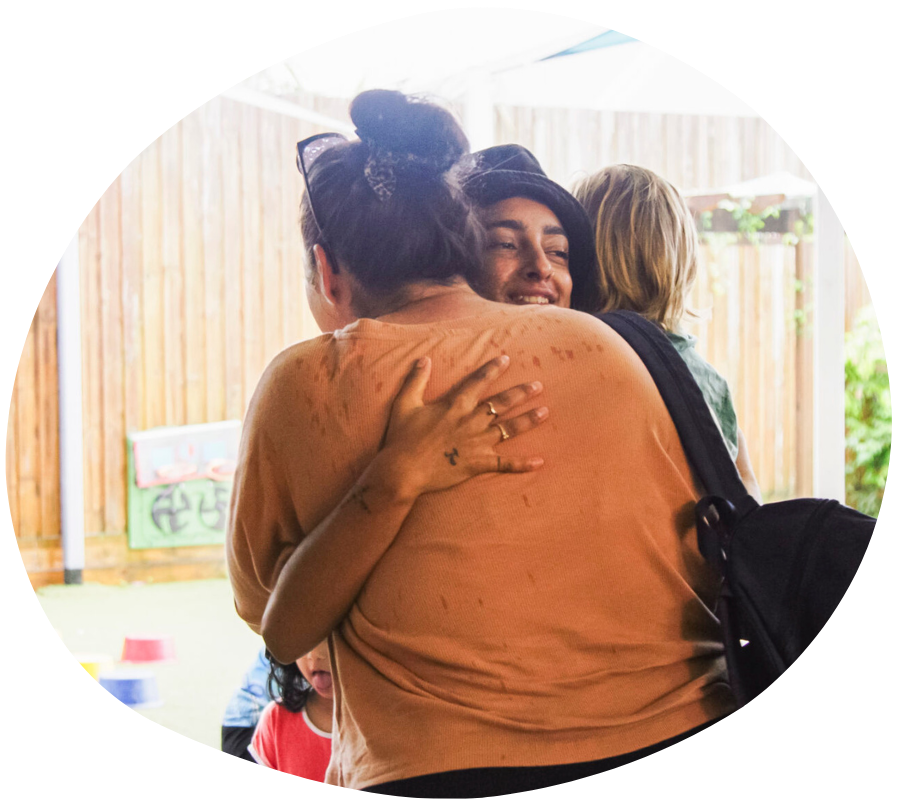
Strong relationships with families are at the heart of everything we do.

We prioritise:

  • regular updates on your baby’s day
  • open, clear communication
  • consistency between home and care routines
  • a welcoming environment where you feel comfortable asking questions.

Our approach is always warm, clear and supportive—because trust matters.

What should you look for when visiting a babies room?

When visiting a babies room, look for signs of both quality care and compliance.

Key things to notice:

  • appropriate educator-to-child ratios
  • calm, settled group environments
  • responsive educators supporting multiple children
  • safe, clean and well-organised spaces
  • positive interactions across the room.

A great babies room feels both nurturing and well-structured.

Frequently asked questions

  • What is the educator-to-child ratio in the babies room?

    Our Babies Room operates with a 1:4 ratio. With two babies aged rooms, we only ever have a maximum of 8 babies in a room. 

  • Will my baby's routine be followed at Sanctuary?

    We work with your baby’s individual routine while balancing the needs of the group.

  • How do you support babies settling into care?

    We provide a gradual, supportive transition and maintain consistency with home routines where possible. We encourage stay and play sessions to help educators and families build connections and trust, which also translates to the babies transitioning into this environment. 

  • How do you communicate with parents?

    We provide regular updates through our family communication platform called OWNA. We encourage all of our families to download the parent app to keep connected not only to the information coming from the baby's room each day, but also for any other news the centre would like to communicate. 

  • What types of activities do babies participate in during child care?

    Babies engage in sensory play, movement, music and early social experiences.

Enquire about our Southport Babies room today

If you are looking for a child care in Southport or a child care close to the Gold Coast University Hospital, enquire with us by clicking the button below today. We would love to welcome you in for a tour and discuss what our Sanctuary Babies Room routine and experience would be for your baby and family.

Recent Articles From Sanctuary
educator reads from an open book facing three children in an early learning setting
By Michelle Tuffley July 9, 2026
Reading with your child from birth supports language, connection and early literacy. Discover simple ways to build a joyful daily reading habit at home.
By Emma Rossely July 2, 2026
Why everyday play matters more than expensive toys
child sitting at a table drinking from a tea cup
By Sanctuary Early Learning Adventure July 2, 2026
Eligible families can receive $600 in credit over 12 weeks when enrolling for five permanent days at participating Sanctuary centres.
By Emma Rossely July 2, 2026
Our Mid-Year Summative Assessments are now available for families to view on OWNA. These assessments are more than a form. They are built from the Early Years Learning Framework (and, for our Kindergarten children, the Queensland Kindergarten Learning Guideline), which sets out the developmental milestones we look for as children grow. Twice a year, our educators bring together everything they have observed, from everyday moments to learning stories and photos, to show where your child is thriving and where they are developing next. You will see your child's strengths and achievements front and centre, along with any emerging skills we are watching grow. Where an assessment shows a child may benefit from a little extra support, that is never a cause for concern. It simply gives us the chance to work alongside you early, so we can put the right support in place together and help your child keep moving forward with confidence. Your child's summative assessment is one part of a bigger picture. Each centre also runs a quarterly developmental monitoring cycle, where educators check in regularly on how every child is tracking against those same EYLF milestones, not just at the mid and end of year points. This means nothing is left to chance between assessments. If something emerges that needs a closer look, our educators can act on it early rather than waiting for the next formal assessment to come around. This ongoing monitoring is what allows your summative assessment to feel like a natural update rather than a surprise. By the time you read it, your educators have likely already been watching, adjusting and supporting your child's development all along, and the assessment simply puts that into words for you. This information also shapes what happens in the room. It helps us tailor our program so it continues to reflect your child's individual interests, strengths and needs.  Where it would help, our Diversity and Inclusion Leader is also available to join the conversation, to make sure every child is supported to thrive. As part of a positive transition to school, we ask all Kindergarten families to book a meeting with their child's educator to talk through their assessment. Thank you for partnering with us as we nurture your child's unique learning journey.
Show More