
What Is Respectful Practice in Early Childhood Education?

Respectful practice means treating every child as capable, valued and worthy of being heard
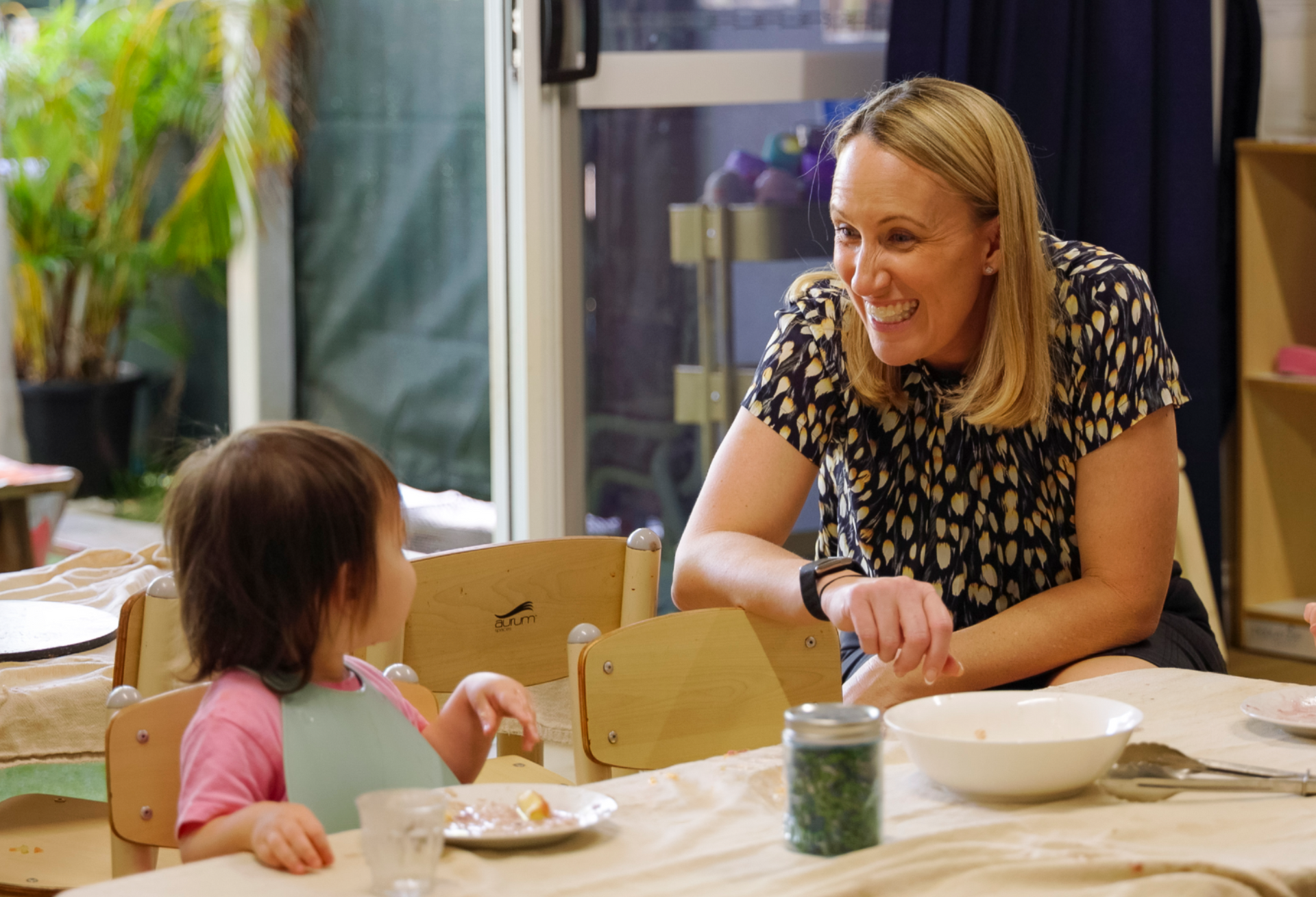
It’s about slowing down, listening closely, and responding to each child’s unique needs, choices and voice.
At Sanctuary Early Learning Adventure, respectful practice shapes everything we do. From the way we communicate with children to how we design our learning environments.
What does respectful practice look like in childcare?
Respectful practice is something children experience every day.
It looks like:
- Listening to children, even when they communicate through play or gestures
- Speaking kindly and calmly, even in challenging moments
- Giving children time to respond instead of rushing them
- Acknowledging feelings in a supportive way
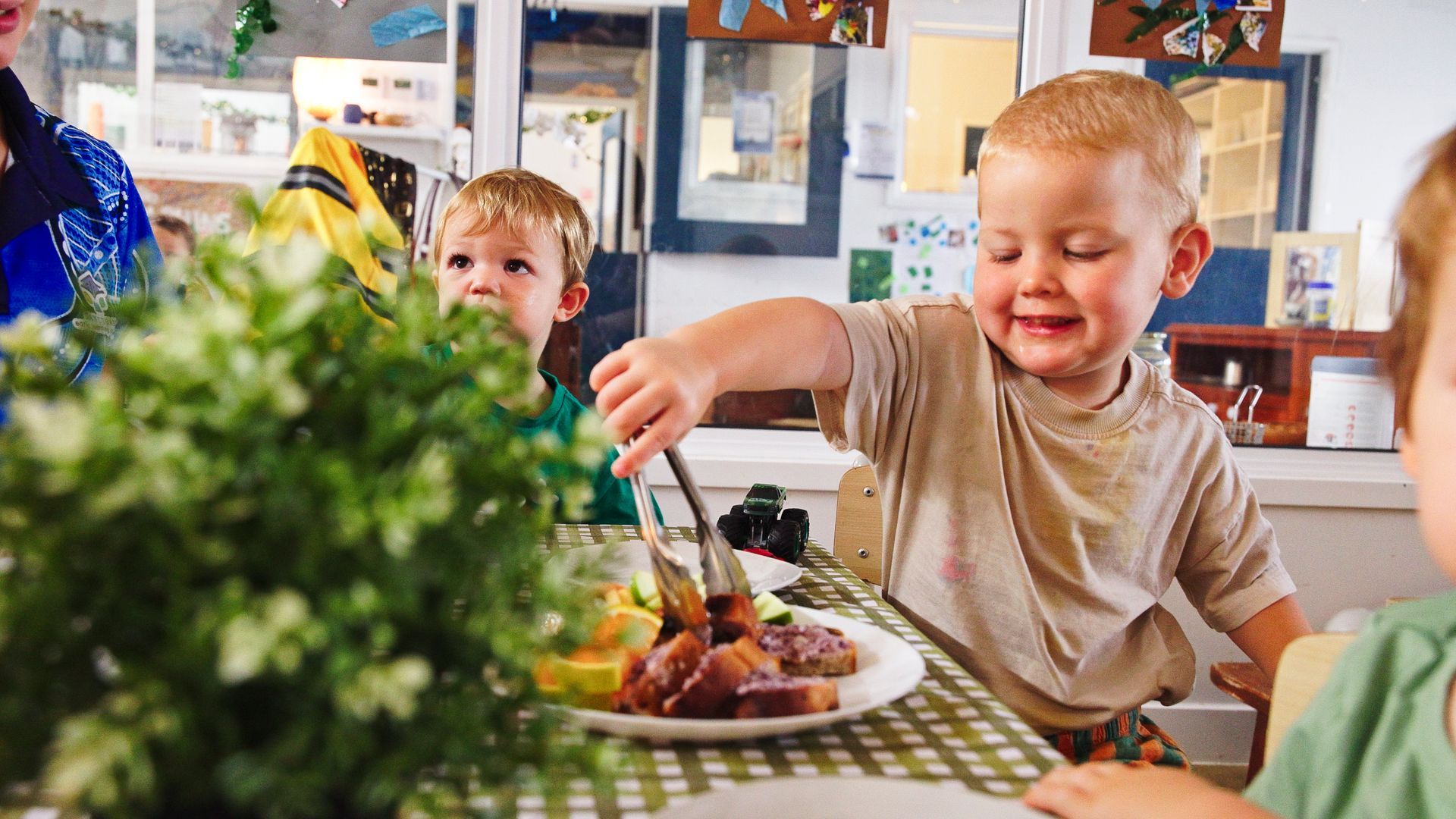
- Offering choices so children feel a sense of control and belonging
Respect means recognising each child as an individual with their own voice, rights and way of being.
Why is unhurried time important for children?
Children don’t learn best when they’re rushed.
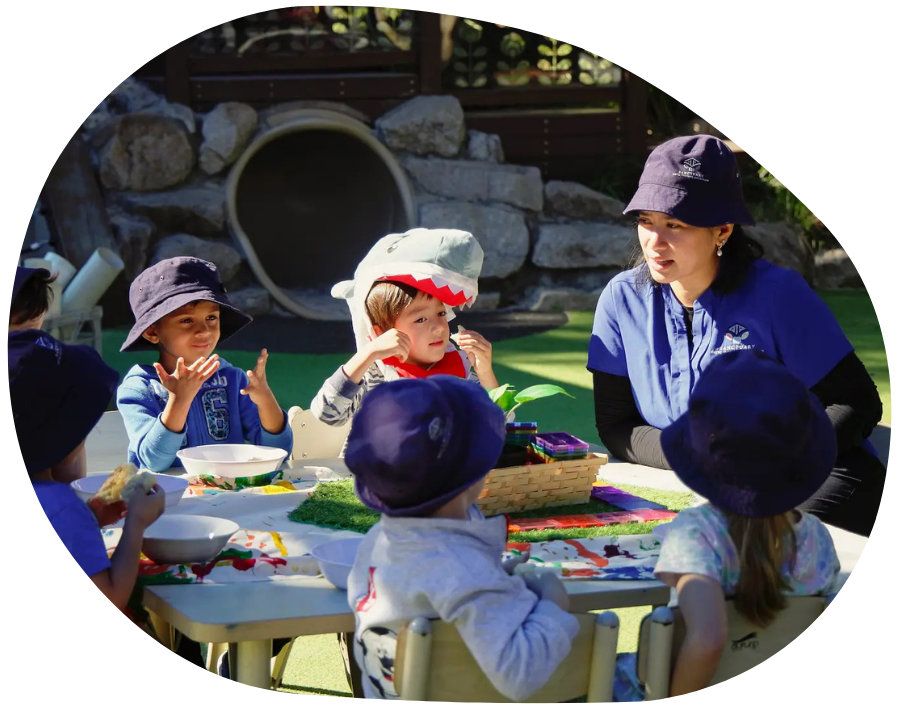
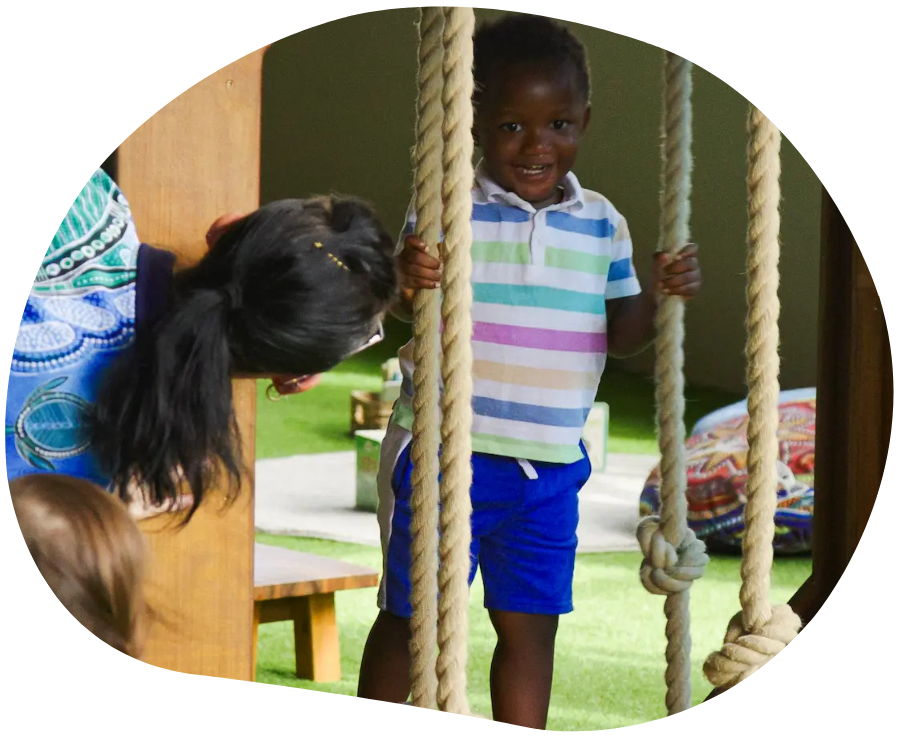
Unhurried time allows educators to truly connect, observe and respond.
This means:
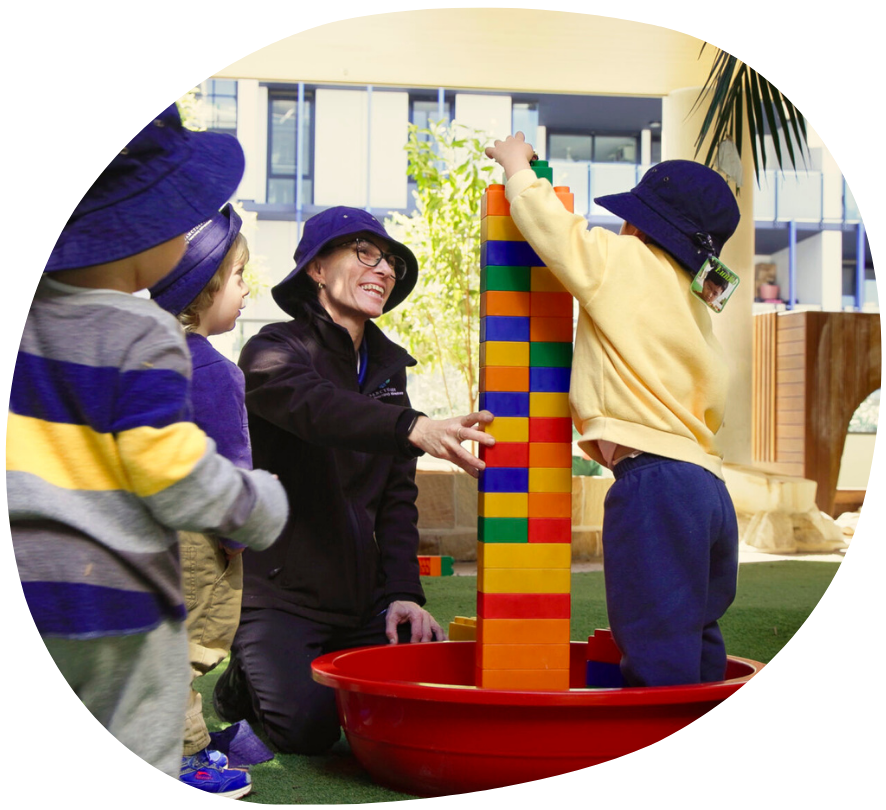
- Following the child’s lead during play
- Allowing time for exploration and problem-solving
- Noticing subtle cues in behaviour and communication
When children feel seen and supported, they build confidence, trust and a strong sense of belonging.
How do educators support children’s choices and consent?
Respectful practice includes recognising children as active participants in their own learning.
This involves:
- Asking before helping
- Respecting a child’s preferences and responses
- Offering meaningful choices throughout the day
- Supporting independence while staying connected
Children learn that their voice matters and that carries with them beyond early learning.
What’s the difference between routines and rituals?
Routines
- Everyday parts of the day
- Predictable and necessary
- Help children feel secure
Rituals
- Meaningful and memorable
- Built around connection and emotion
- Create a sense of belonging
Rituals transform everyday moments into experiences children remember.
How Sanctuary brings respectful practice to life
Across all centres, respectful practice is reflected in:
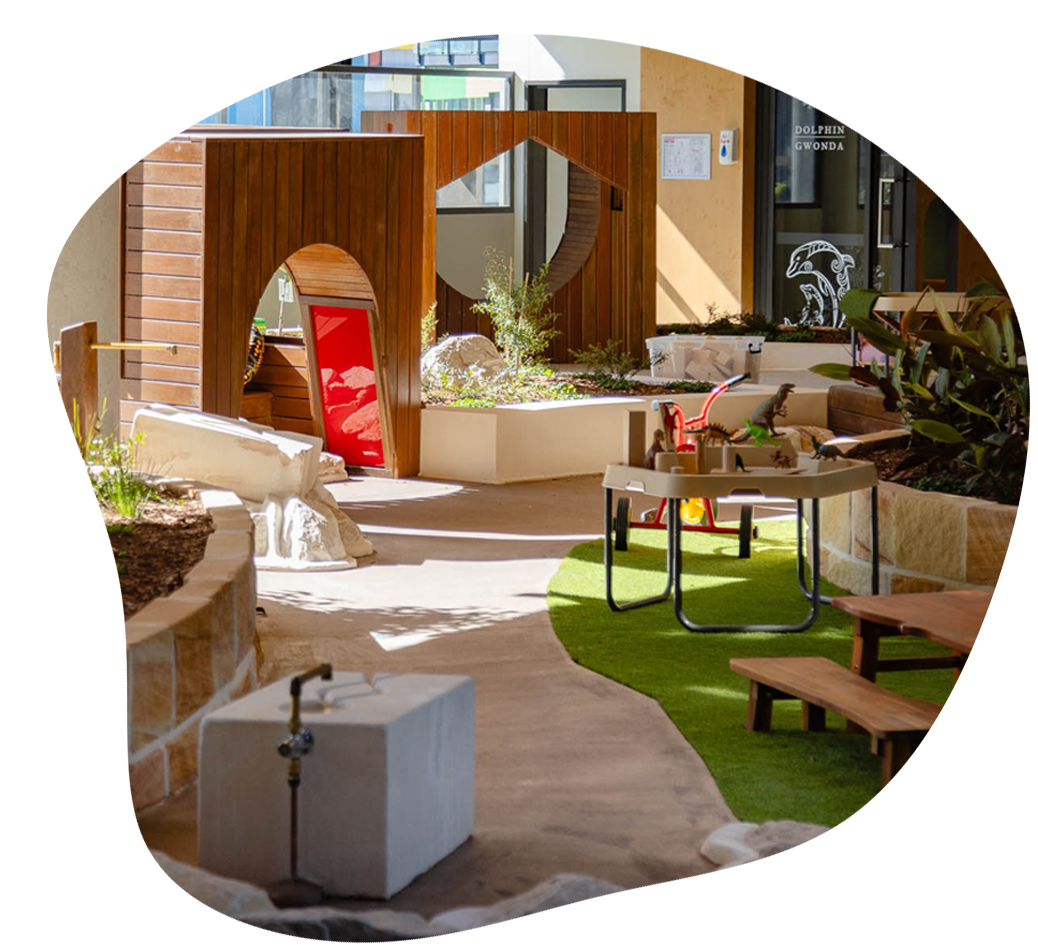
- Environments that feel calm, welcoming and home-like
- Educators who build genuine, trusting relationships
- Programs that support emotional wellbeing alongside learning
- Opportunities for children to express themselves, make choices and feel valued
You’ll see this approach in action at:
- Sanctuary Ashmore
- Sanctuary Buderim
- Sanctuary Health and Knowledge Precinct (Southport)
- Highfields Child Care Centre
- Sanctuary Maudsland
- Sanctuary Redlynch
What is respectful practice in early childhood education?
It’s an approach where children are treated as capable individuals, with their feelings, choices and voices respected.
Why is respectful practice important?
It supports children’s confidence, emotional wellbeing and sense of belonging.
How do educators show respect to children?
By listening, giving time, using kind language, and involving children in decisions.
What are rituals in childcare?
Rituals are meaningful moments that create connection—like birthday celebrations that reflect each child.
How do routines support children?
They provide predictability and help children feel safe and secure.
How does Sanctuary personalise learning experiences?
By adapting experiences, celebrations and environments to each child’s needs and interests.
Recent Articles From Sanctuary