Keeping Every Child Safe - The Sanctuary Approach To Child Protection
When you choose Sanctuary Early Learning Adventure for your child, you are choosing a place where safety is never an afterthought. It is woven into everything we do — our environments, our culture, our people, and our systems. Child safety is not a compliance exercise for us. It is a deeply held value and a lived commitment across all six of our Queensland centres.
In this blog, we want to share something that we are genuinely proud of: the story of how Sanctuary responded to significant changes in child safety legislation in 2025 — not just by updating a policy, but by rethinking, rebuilding, and strengthening our entire approach to child protection. We believe families deserve to know exactly how seriously we take this work.
Why Child Safety Law Changed — and Why It Matters
In July 2025, Queensland's Child Safe Organisations Act 2024 and the National Principles for Child Safe Organisations came into full effect for early childhood education and care services. These changes introduced ten Child Safe Standards — a comprehensive framework requiring organisations working with children to embed safety into every layer of their operations.
For some organisations, legislative change means updating a document and filing it away. At Sanctuary, we saw it as an opportunity. An opportunity to look honestly at every area of our practice, to ask the hard questions, and to emerge stronger, more transparent, and more genuinely child-focused than before.
"Child safety at Sanctuary is not about ticking boxes.
It is about building a culture where every child is protected,
every voice is heard, and every adult knows their responsibility."
How We Approached It: A Planned, Phased Response
Rather than rushing to meet deadlines, we developed a structured Safeguarding Children Plan spanning July 2025 through to April 2026. The plan was led by our Operations Manager and implemented across all six centres simultaneously, with clear ownership, timelines, and accountability at every step.
The work unfolded in three deliberate phases:
Phase 1 — Immediate Action (by September 2025)
- Updated our Information Technology Policy to reflect new digital safety requirements
- Created an Electronic Device Register and a new Mobile Phone and Personal Device Policy
- Updated our Smoke-Free Environments Policy to incorporate vaping legislation
- Reviewed and strengthened our Governance and Service Management Policy, including changes to notification timeframes for incidents involving sexual or physical abuse (reduced from 7 days to 24 hours)
- Ensured all team members attended mandatory briefings and completed policy comprehension quizzes
- Displayed child protection reporting responsibilities visibly at every centre
Phase 2 — Embedding the Standards (by October 2025)
- Fully implemented the ten Child Safe Standards across all centres
- Reviewed and updated our Child Protection Policy with a proactive, not just reactive, approach
- Refreshed our Child and Youth Risk Management Strategy, transitioning oversight to the new Family and Child Commission framework
- Updated our Code of Conduct documents — separate versions for families, team members, students and volunteers, and Allied Health Professionals
- Reviewed our Student and Volunteer Policy, strengthening supervision requirements to ensure no child is ever alone with an unsupervised adult
- Added child safety to quarterly risk mitigation meetings
- Updated our SEEK job advertisements to reflect our child safe culture, CCTV usage, and pre-interview prohibited person checks
Phase 3 — Quality Enhancement (ongoing through 2026)
- Implementing mandatory child protection training — five times per year, in-house and linked to the Department of Educations training.
- Reviewing and updating our recruitment policy through a child-focused lens
- Embedding anti-bias and trauma-informed practice training across all teams
- Reviewing our philosophy statement to explicitly name our commitment to child safe culture
What This Looks Like for Your Child, Every Day
Policy work matters — but what families really want to know is: what does this mean when my child walks through the door each morning?
It means that every educator working with your child holds a current Blue Card, which is linked and monitored through our systems. It means every employee, student and volunteer is linked to the National Workforce Register database.
It means that mobile phones and personal devices are not permitted in children's spaces — we have signage at every entrance to staff areas reinforcing this expectation, and it applies to families during visits as well. It means our CCTV systems operate across our centres, with clear processes for footage storage, access, and deletion.
It means that if something ever happens that concerns the safety of a child, our teams know exactly what to do, how quickly to act, and who to contact. Reporting responsibilities are displayed visibly at each centre. Our team members are trained not just in what to report, but in how to recognise indicators of harm — including grooming, sexualised behaviours, and the more subtle signs that a child may need support.
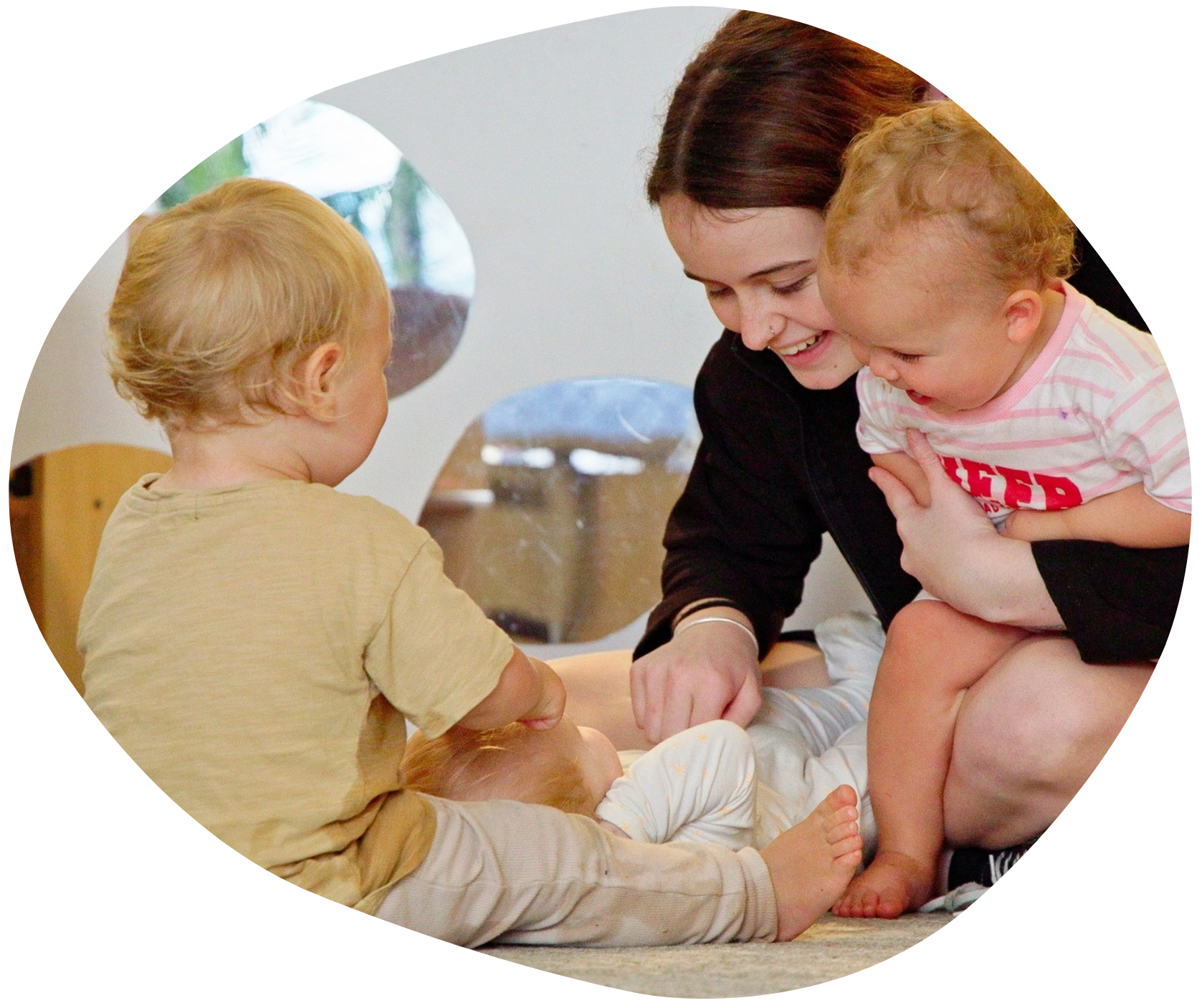
It means that when a student teacher, volunteer, contractor, or Allied Health Professional visits one of our centres, they are never alone with children. They are accompanied by a qualified team member at all times, and risk assessments are completed before any access is granted.
"We believe the safest environments are built on trust, transparency,
and a whole-of-community commitment to protecting children."
A Culture, Not Just a Checklist
One of the things that sets Sanctuary apart is that child safety is not something we delegate to a policy document. It is something our owners Damian and Lauren lead personally. It is something our leadership teams champion in their centres each day. And it is something every educator, administrator, and support team member takes responsibility for.
Our owners have invested in upskilling everyone when it comes to child safety with separate messages crafted for families, for our team, and for our broader community. Because we believe that when everyone understands their role in keeping children safe, the whole community becomes stronger.
We have also invested in the wellbeing of our team members through this process — recognising that child protection work can be emotionally demanding. We are building trauma-informed approaches to support educators who may be affected by disclosures or difficult situations, because we know that a supported team is a better team for children.
The Reportable Conduct Scheme
From July 2026, Queensland's Reportable Conduct Scheme will come into full effect for early childhood education services. This scheme requires organisations to report and investigate certain conduct by employees that may harm or pose a risk to children, including inappropriate discipline, sexual misconduct, or emotional abuse.
Sanctuary is already preparing. Our policies, systems, and culture are being built to meet these requirements — not at the last minute, but thoughtfully and ahead of time. Because that is how we do things.
Come and See For Yourself
We know that choosing early childhood education is one of the most significant decisions a family makes. We believe you deserve full transparency about how we protect children, and we welcome your questions.
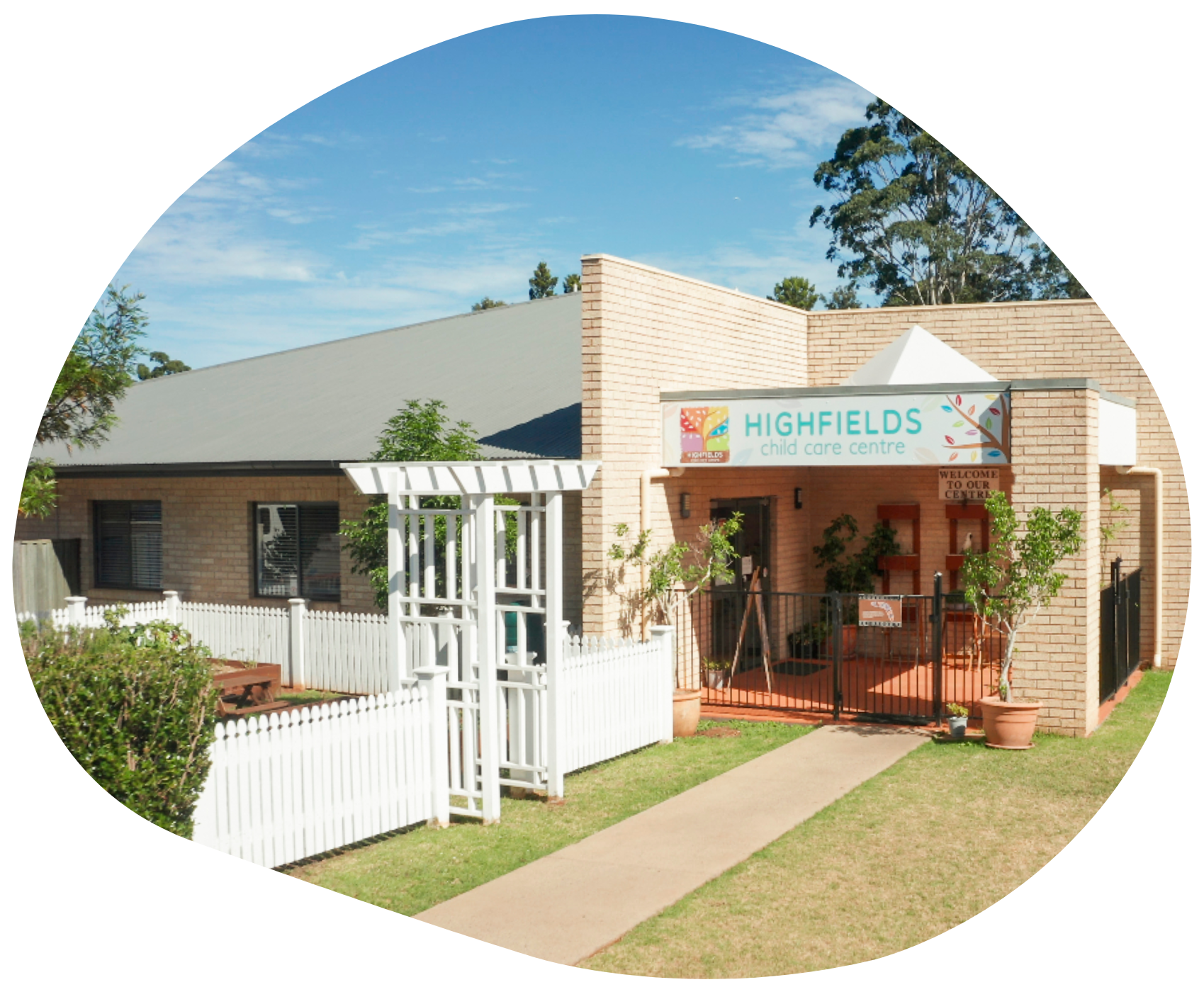
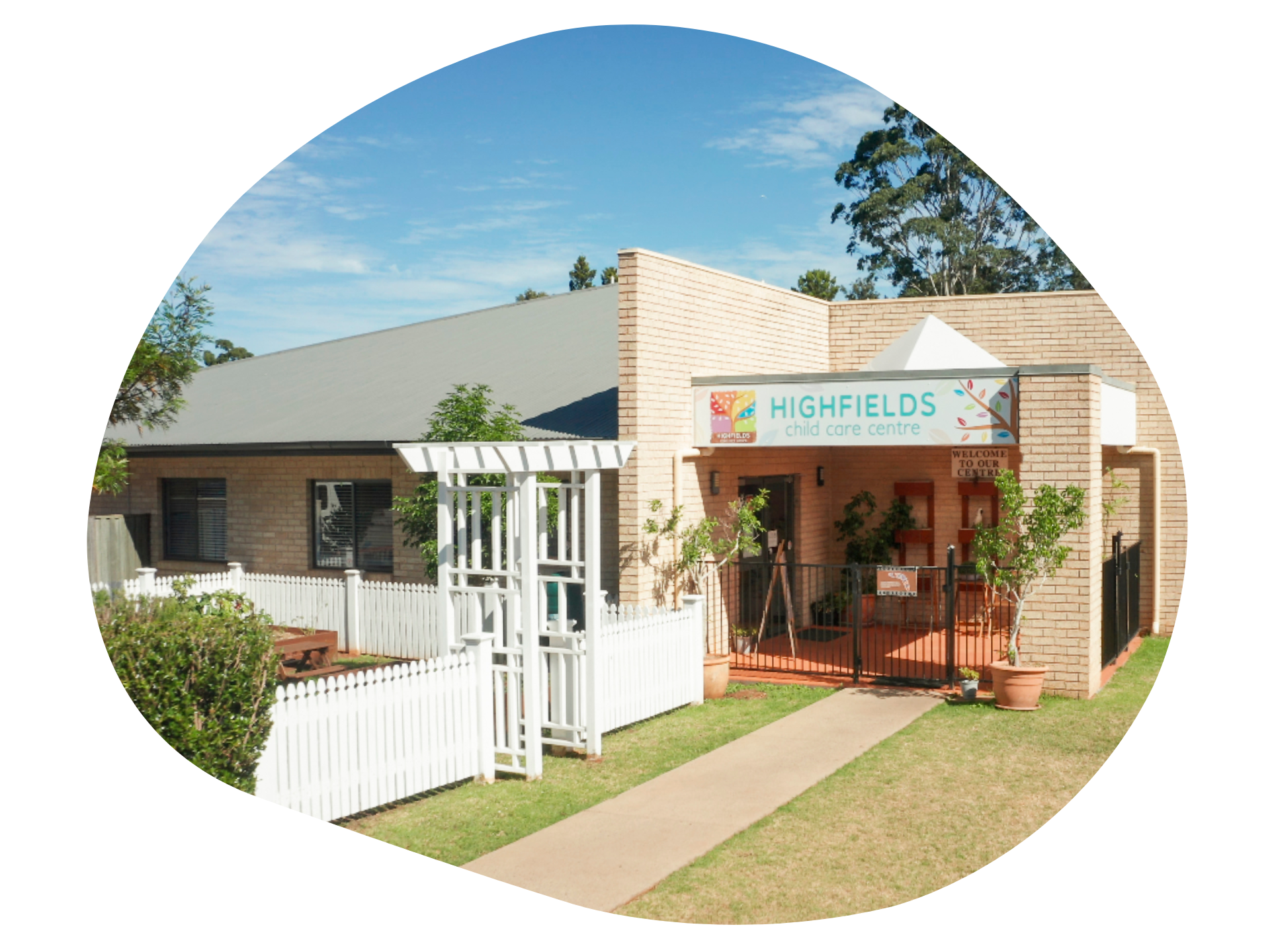
If you would like to tour one of our six Queensland centres — at Ashmore, Buderim, Highfields, Maudsland, Redlynch, or Southport — we would love to show you around, introduce you to our team, and share more about the Sanctuary way.
Because your child's safety is not just our legal obligation. It is our deepest purpose.
Recent Articles From Sanctuary