
Nature-Inspired Learning Ideas For Families This Queensland Winter
WInter days, wild discoveries
Winter in Queensland has its own rhythm.
The intensity of summer softens, mornings feel cooler, and the change in season often creates the kind of space families rarely have enough of throughout the year — time to slow down a little.
For young children, slower moments often create the richest opportunities for discovery.
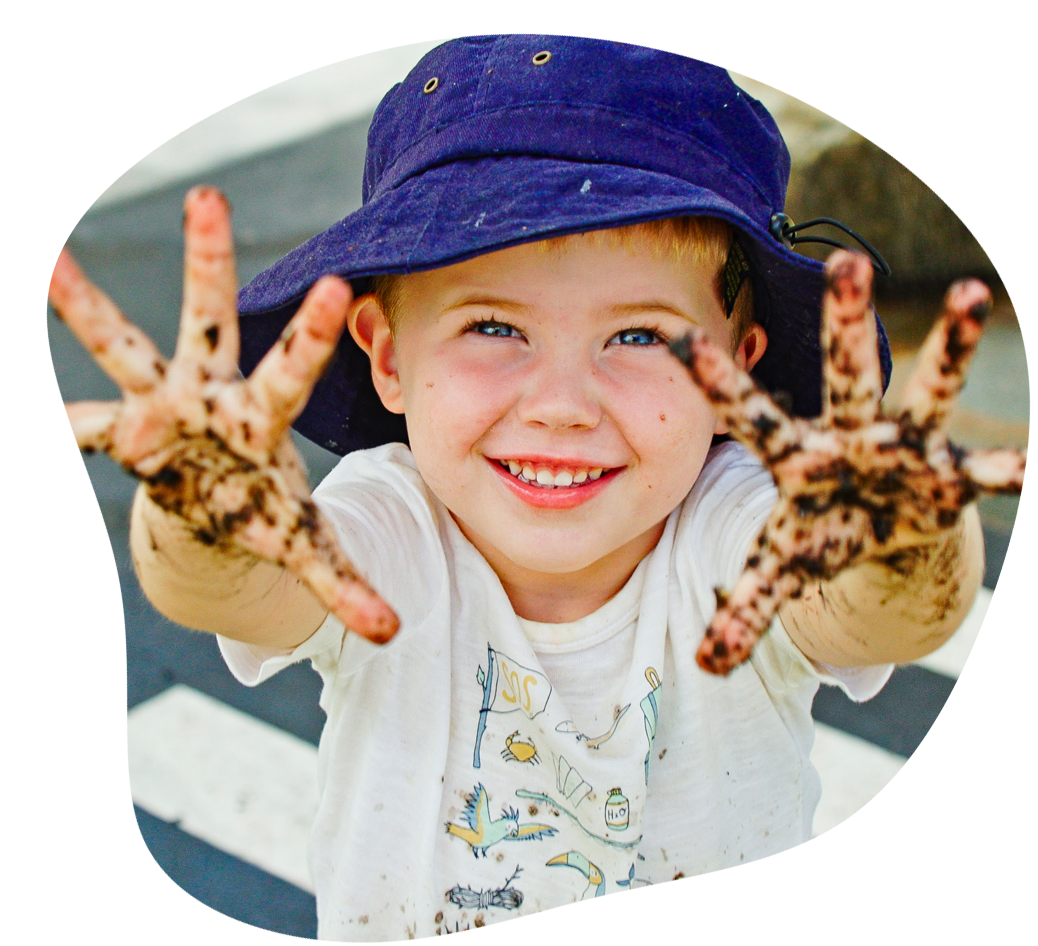
A walk along the beach can quickly become a treasure hunt. A few fallen leaves collected in the backyard can spark an afternoon of creating. A simple family trip outdoors often becomes the beginning of dozens of questions children suddenly need answered.
The beauty of childhood sits quietly inside those moments.
Curiosity rarely arrives when learning feels structured.
It appears when children have time to observe, notice small details and begin exploring the world around them in their own way.
Queensland winters offer the perfect invitation for exactly that.
Some Of The Most Valuable Learning Happens Before The Activity Even Begins
Adults often think of activities as the moment learning starts. In reality, young children begin learning much earlier than that.
The walk through the garden.
Stopping to notice a butterfly.
Watching how bark peels differently from one tree to another.
Collecting shells and comparing shapes.
Feeling the texture of wet sand compared with dry sand.
Each small observation begins activating something incredibly important in early childhood development.
Curiosity.
Once curiosity is engaged, learning follows naturally. Children begin questioning, hypothesising, comparing and experimenting long before any structured activity takes place.
The most meaningful learning often begins through noticing.
Queensland Winter Creates Beautiful Opportunities To Explore Outdoors
Unlike colder parts of Australia where winter often limits outdoor time, Queensland’s cooler months can make outdoor exploration far more comfortable for young children. This is often the perfect season to spend more time outdoors together.
Families might explore:
- local bushwalking tracks and hinterland trails
- early morning beach walks collecting shells and observing rock pools
- backyard gardening projects
- weekend picnics in local parks
- nature walks through botanical gardens
- wildlife spotting in familiar outdoor spaces.
Outdoor experiences naturally strengthen:
- gross motor development
- balance and coordination
- environmental awareness
- observation skills
- confidence through physical exploration
- sensory development.
Children build a deeper relationship with the world around them when they are given opportunities to engage with nature regularly.
A walk outdoors can become the beginning of something creative
One of the most wonderful things about childhood is the way children instinctively see possibility everywhere.
Adults see sticks; children see building materials.
Adults see fallen flowers; children see paintbrushes.
Adults see seed pods; children see treasures worth collecting.
A simple walk outdoors can become the foundation for hours of creative exploration once children return home. The collecting process itself becomes part of the learning experience.
Children begin making decisions, choosing materials, comparing textures, wondering what each object might become.
Creativity begins long before making starts.
Build a backyard bug hotel
A winter walk through the garden or local park often provides everything needed for one of childhood’s simplest sustainability projects. Collect materials such as:
- bark
- small sticks
- pinecones
- leaves
- hollow stems
- seed pods.
Children can then begin building a small bug hotel in the garden while learning about insects and the important role they play in healthy ecosystems. This activity naturally supports:
- fine motor development
- early scientific thinking
- environmental awareness
- problem solving
- creative thinking.
It also introduces children to an important idea early in life — we share the environment with many living things that deserve care and respect.
Create a bee hive using natural materials
Native bees play an incredibly important role in healthy ecosystems, yet many children have little understanding of how pollination works.
Collecting natural materials outdoors and recycled kitchen items can become an opportunity to begin these conversations. Materials might include:
- bamboo pieces
- recycled tin can
- string.
Building a simple bee habitat introduces children to bigger ideas around sustainability, biodiversity and environmental stewardship in a way that feels tangible and meaningful.
Children often connect most deeply with ideas they can physically create themselves.
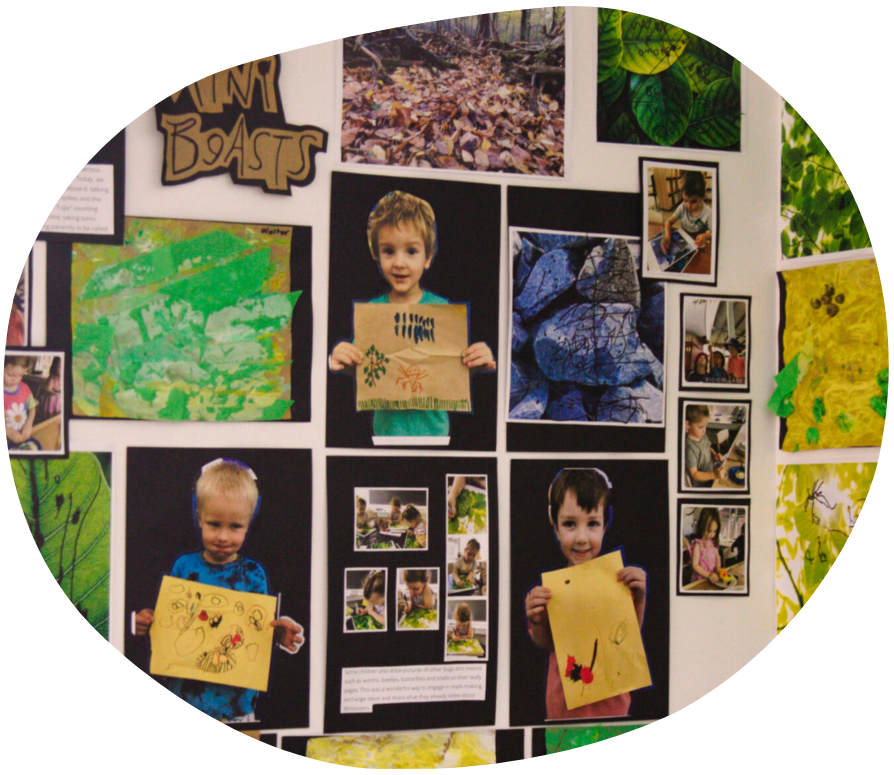
Turn Outdoor Discoveries Into Nature Art
Creative experiences become far more meaningful when children feel connected to the materials they are using. Rather than reaching immediately for store-bought craft materials, nature often provides far more interesting possibilities.
Collect:
- fallen flowers
- leaves in different shapes
- feathers
- native grasses
- shells
- small stones.
These materials can later become:
- botanical collages
- flower pressing activities
- texture rubbings
- natural paint stamping
- loose parts art experiences.
Children begin paying closer attention to the details around them when they start recognising that ordinary objects can become creative tools.
Curiosity deserves time to grow
Modern family life often feels busy; weekends fill quickly, schedules become crowded. There is often pressure to constantly move from one activity to the next.
Children, however, do not experience learning that way, learning happens when there is time to pause, to wonder, to collect interesting things, to ask unexpected questions, to experiment without a predetermined outcome.
Slower moments are not empty moments, very often, those quieter spaces become the environments where curiosity grows strongest.
Winter naturally invites families to create more of those moments.
Childhood Often Begins With Wonder
Children rarely need elaborate activities in order to learn meaningfully.
Given time, freedom and opportunities to explore their own curiosity, even the smallest discoveries can become powerful learning experiences.
A handful of leaves collected during a morning walk; a shell discovered at the beach; a flower pressed carefully onto paper; a bug hotel quietly built in the backyard.
Small moments like these shape the way children begin understanding creativity, nature and their relationship with the world around them. The cooler months offer a wonderful reminder that some of childhood’s richest learning experiences begin in the simplest places.
Usually outside.
How does nature play support child development?
Nature play helps strengthen creativity, problem solving, confidence, observation skills, physical development and environmental awareness.
What natural materials can children safely collect outdoors?
Leaves, shells, flowers, seed pods, sticks, bark, feathers, stones and bamboo pieces all create wonderful opportunities for creative learning experiences.
Why are open-ended activities important for children?
Open-ended activities encourage independent thinking, experimentation, problem solving and creativity without children feeling restricted by fixed outcomes.
Do children always need structured activities to learn?
Not at all. Young children learn continuously through play, observation, conversation, curiosity and hands-on exploration of the world around them.
Recent Articles From Sanctuary