Developmental milestones for children aged 0–5: understanding your child’s unique learning journey
Developmental milestones are general signs of how children may grow, learn, communicate, move, build relationships and become more independent from birth to five years.
They are helpful guides, not strict checklists.
Every child develops in their own way and at their own pace. Supportive relationships, play, everyday routines and safe, nurturing environments all help children build confidence, curiosity and a strong sense of belonging.
In this article, we’ll explain what developmental milestones are, why they matter, how children learn through play, and when families may wish to seek professional advice.
Looking for a practical resource to keep on hand?
Download our FREE Developmental Milestones Guide for Children Aged 0 - 5.
What are devleopmental milestones?
Developmental milestones are broad skills or behaviours many children show as they grow and learn.
They can include areas such as:
- communication and language
- physical development
- social and emotional wellbeing
- thinking and problem-solving
- independence and self-help skills.
Milestones can help families and educators notice how a child is progressing and where they may need extra support, encouragement or time. However, milestones should always be viewed as a guide. Children reach developmental milestones at different times, and variation is a normal part of healthy development.
Why are milestones a guide, not a checklist?
Milestones can be helpful, but they should never be used to compare children.
Every child brings their own strengths, interests, culture, personality and experiences to their development. Some children may reach certain milestones earlier, while others may take more time.
What matters most is noticing your child’s progress, interests, wellbeing and confidence over time.
At Sanctuary Early Learning Adventure, we believe every child is a capable, curious and active learner. We value each child’s individual learning adventure and recognise that development is not about comparison, but about helping each child feel safe, supported and ready to learn.
How does this guide align with early childhood learning frameworks?
At Sanctuary Early Learning Adventure, our approach to children’s learning and development is guided by recognised early childhood frameworks, including the Early Years Learning Framework, the Queensland Kindergarten Learning Guideline and, where relevant, My Time, Our Place for school-age care.
These frameworks recognise children as capable, confident and active learners. They also highlight the importance of belonging, wellbeing, identity, communication, connection with community and learning through play.
This means we do not view milestones as a rigid checklist. Instead, we see them as one helpful way to understand each child’s learning journey, alongside their interests, relationships, culture, strengths, family context and everyday experiences.
How do children learn and develop through play?
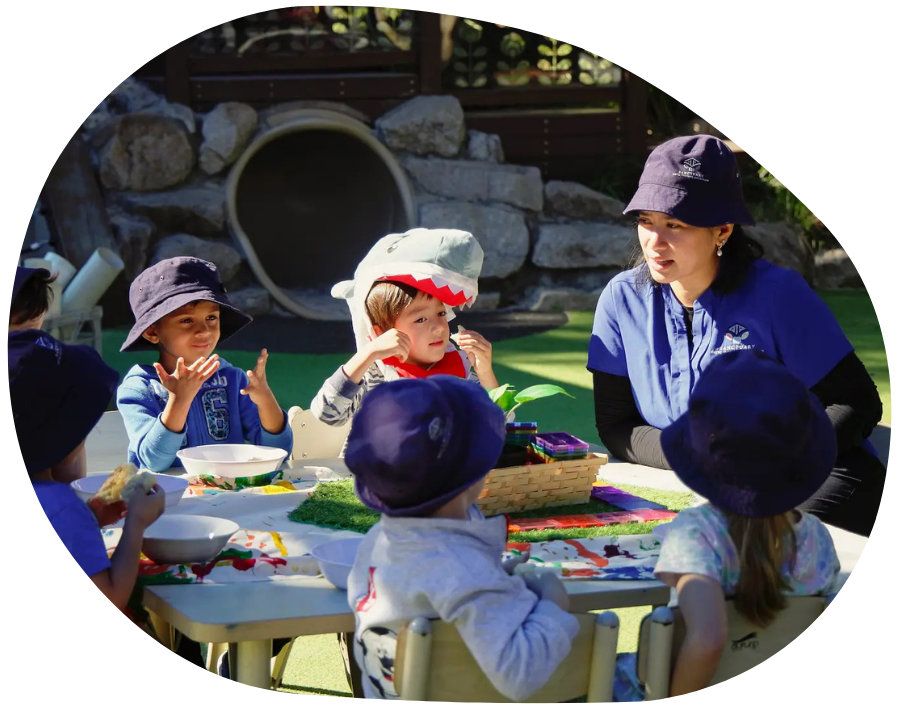
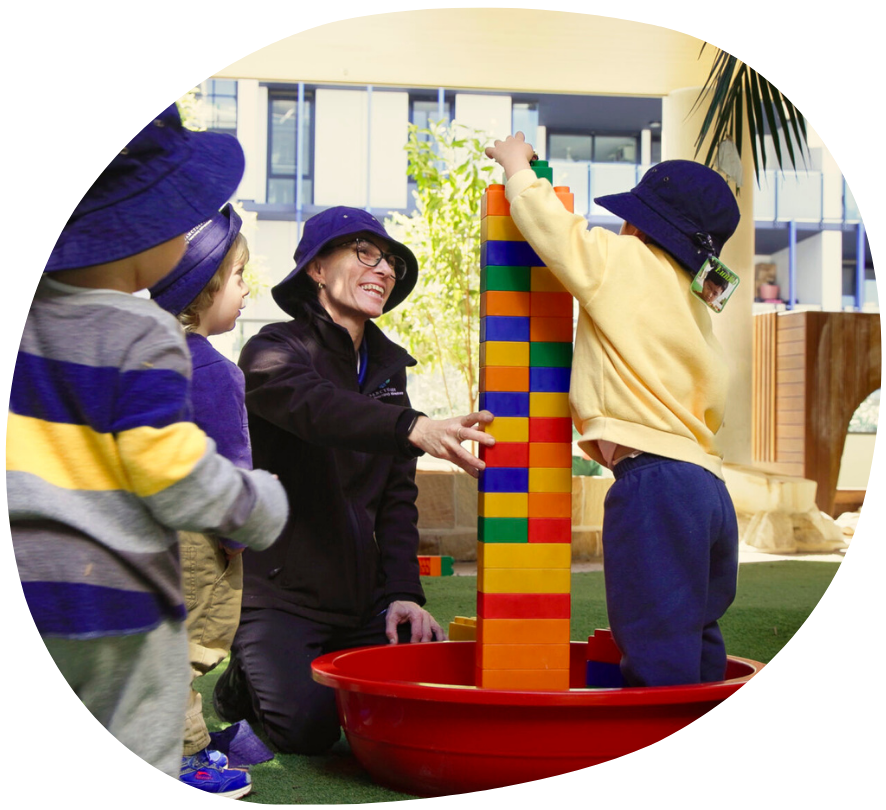
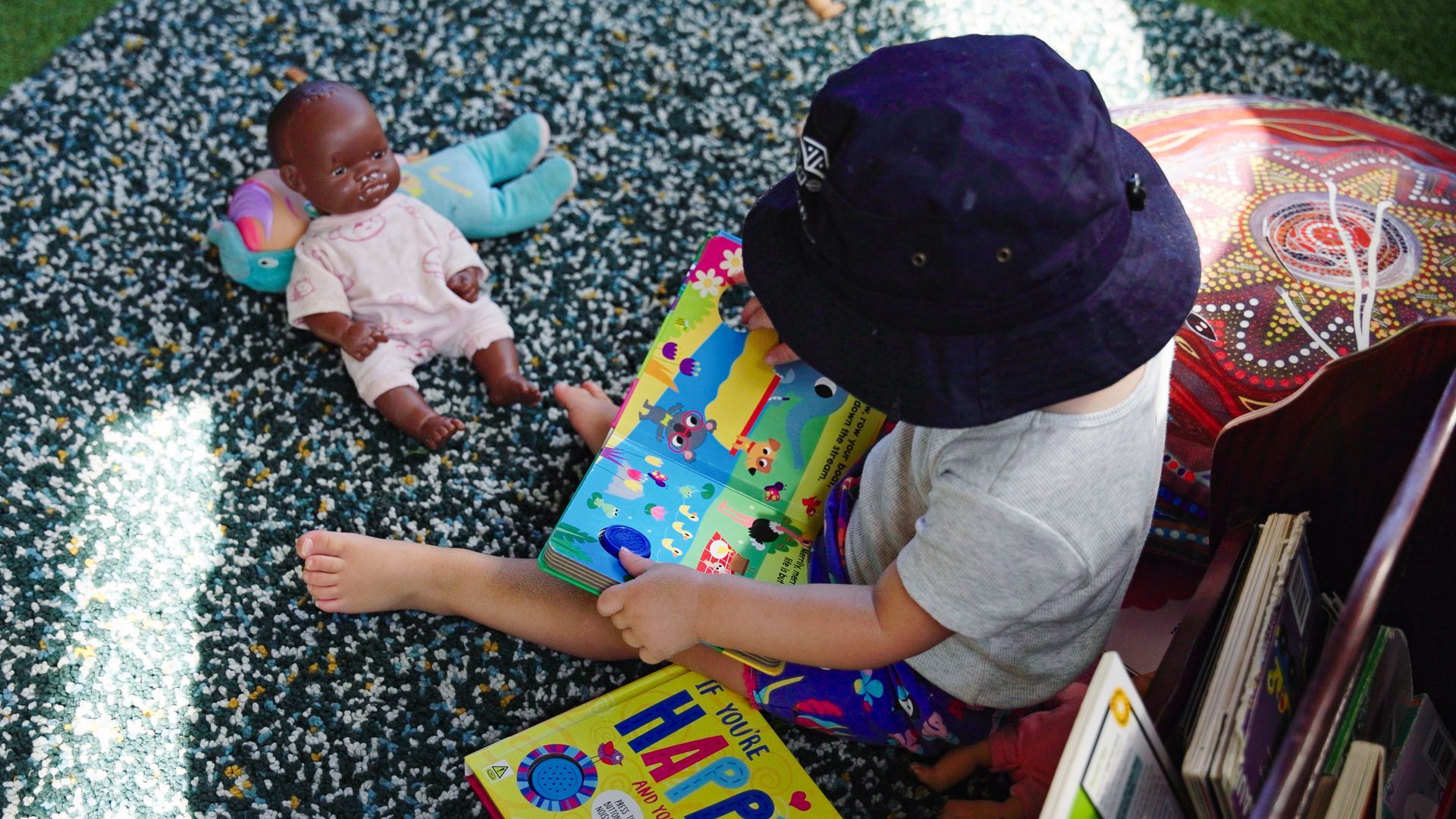
Children learn best through meaningful relationships, play, exploration and everyday experiences.
Play is much more than entertainment. Through play, children can:
- build communication skills
- develop resilience and confidence
- explore ideas and solve problems
- strengthen physical abilities
- learn to collaborate with others
- express creativity and imagination
- practise independence
- build friendships and social awareness.
Play gives children opportunities to make choices, test ideas, take considered risks and develop a sense of agency. These experiences help lay the foundations for lifelong learning.
What developmental milestones might families notice from birth to five?
Every child develops in their own way, but there are some common areas of growth families may notice during the first five years.
| Age | Families may notice children beginning to... |
|---|---|
| Birth to 12 Months | respond to familiar voices, smile, explore through movement and sensory play, communicate through sounds, gestures and facial expressions |
| One to two years | walk, climb, show preferences, use words or gestures, join in simple routines and explore with growing independence |
| Two to three years | use more words, engage in imaginative play, build confidence, solve simple problems and show increasing independence |
| Three to four years | develop friendships, participate in cooperative play, express thoughts and feelings, and explore early literacy and numeracy through play |
| Four to five years | follow routines with more independence, participate in group learning, show empathy, build resilience and develop confidence for school transitions |
Milestones are not strict expectations. Some children may reach certain milestones earlier or later than others.
For a more detailed age-by-age guide, including practical ways to support your child at home, download our free Developmental Milestones Guide for Children Aged 0–5.
How does Sanctuary support children's development?
Early childhood educators support development by creating safe, nurturing and engaging environments where children can build confidence, relationships, independence and curiosity.
At Sanctuary, this may include:
- building secure and responsive relationships with children
- planning play-based learning experiences
- observing children’s interests, strengths and emerging skills
- supporting communication and social connection
- encouraging movement, creativity and problem-solving
- working in partnership with families
- creating smooth transitions between routines, rooms and school
- supporting each child’s sense of belonging.
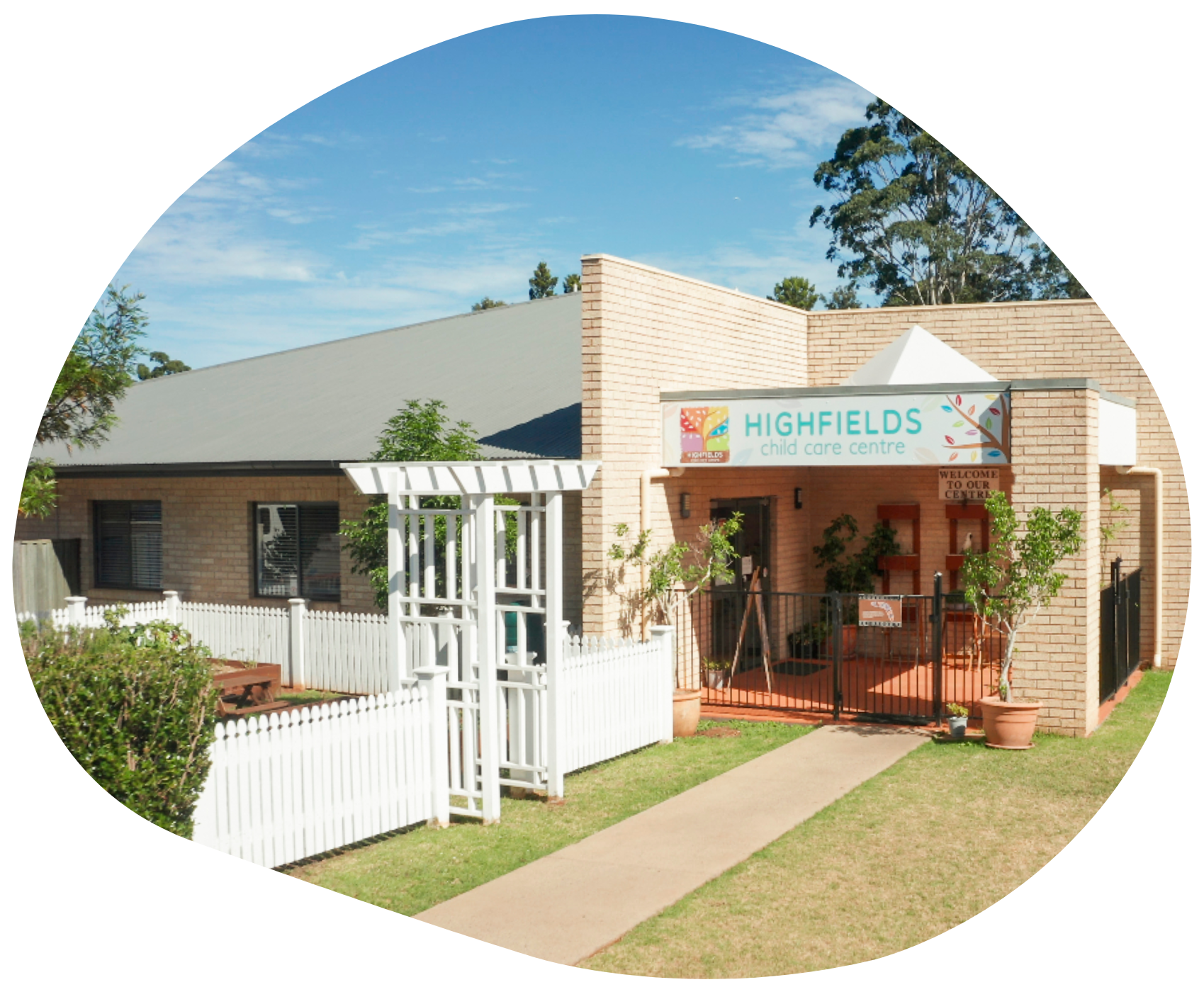
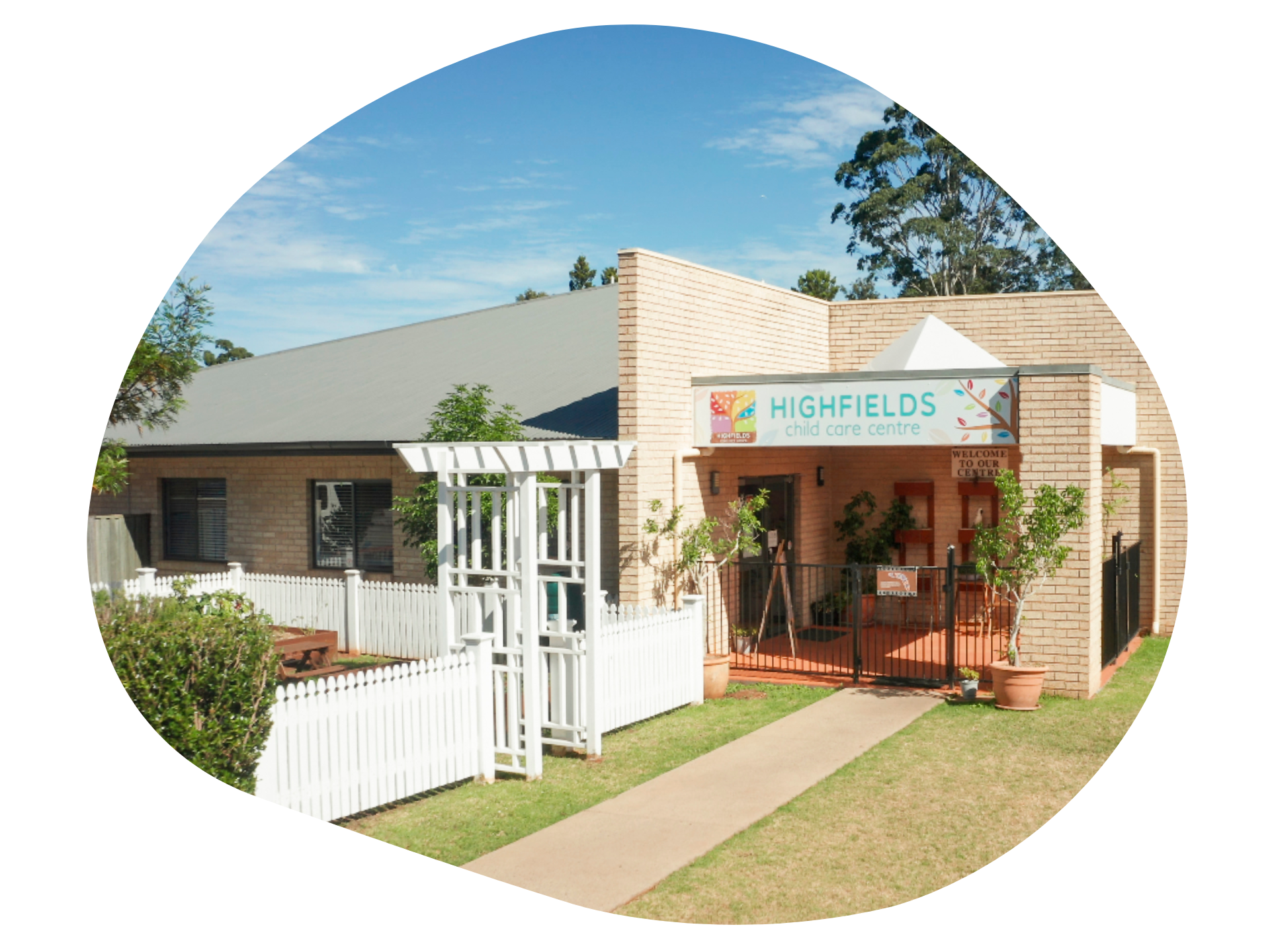
Across Sanctuary Ashmore, Sanctuary Buderim, Sanctuary Health and Knowledge Precinct in Southport, Highfields Child Care Centre, Sanctuary Maudsland and Sanctuary Redlynch, our educators support children’s development through nurturing relationships, play-based learning, routines, outdoor exploration, creative experiences and family partnerships.
Each centre has its own local community and environment, while sharing Sanctuary’s commitment to helping children feel safe, connected, confident and ready to learn.
How can families support their child's development at home?
Families play an important role in children’s learning and development.
Simple everyday experiences can have a meaningful impact, including:
- reading together
- having conversations throughout the day
- spending time outdoors
- encouraging creativity and imaginative play
- providing opportunities for independence
- building strong, responsive relationships
- creating predictable routines.
You do not need to create perfect learning activities at home. Often, the most meaningful learning happens through simple moments of connection.
For more practical ideas by age, download the free guide.
When should families seek professional advice about developmental milestones?
Developmental milestones are helpful guides, but they are not a replacement for professional advice.
Families know their children best. If you feel concerned about your child’s development, communication, movement, behaviour, learning, hearing, vision or social interactions, it is always okay to seek support.
You may wish to speak with your GP, child health nurse, paediatrician, speech pathologist, occupational therapist or your child’s educator.
Early conversations can help families feel more informed, supported and confident. Seeking advice does not mean something is wrong. It simply helps ensure your child has the right support around them.
Important note: This article provides general information for families and should not replace professional health, developmental or medical advice. Children develop at different times and in different ways. If you have concerns about your child’s development, please speak with your GP, child health nurse or another qualified health professional.
Download our free developmental milestones guide
Looking for a practical age-by-age resource?
Download our free Developmental Milestones Guide for Children Aged 0–5 to learn more about child development, play-based learning and simple ways to support your child’s growth with confidence.
This parent-friendly guide includes:
- common milestones from birth to five years
- ways children learn through play
- simple ideas to support development at home
- guidance on when to seek professional advice
- information about how Sanctuary supports each child’s learning journey.
You can also book a tour at your nearest Sanctuary centre to learn more about our approach to early learning, development and wellbeing.
What are developmental milestones?
Developmental milestones are general signs of how children may grow, learn and develop over time.
They can include communication, movement, social skills, emotional wellbeing, thinking skills and independence.
Are developmental milestones the same for every child?
No. Developmental milestones are general guides.
Children grow and learn at different times, and their development is influenced by relationships, experiences, health, culture, environment and opportunities for play.
Should I worry if my child has not reached a milestone yet?
Not always. Children develop at different times and in different ways. If you are concerned about your child’s development, it is best to speak with your GP, child health nurse or another qualified health professional.
Are developmental milestones a checklist?
No. Milestones are a guide, not a strict checklist. They can help families and educators understand common patterns of development, but they should not be used to compare children.
How does play support child development?
Play helps children build communication, confidence, creativity, problem-solving skills, physical abilities and relationships.
Through play, children explore ideas, practise new skills and make sense of the world around them.
What should I do if I’m worried about my child’s development?
Start by speaking with a trusted health professional, such as your GP or child health nurse.
You can also speak with your child’s educator, who may be able to share observations from their learning environment.
Recent Articles From Sanctuary