From stories to play: how stories inspire play in early learning
A good start can begin with a great story.
For young children, a favourite book can become much more than something we read together. Stories can spark questions, conversations, imaginative play and adventures that continue long after the final page.
At Sanctuary Early Learning Adventure, we love seeing children take an idea from a story and make it their own.
How can stories give children a good start with reading?
A love of stories can begin long before a child learns to read words independently.
Sharing books together gives children opportunities to enjoy language, notice pictures and sounds, ask questions and discover the joy of storytelling.
Giving children a good start to reading isn't about rushing them towards formal reading. It's about helping books, stories and language become an enjoyable and meaningful part of their world.
And sometimes, finishing the book is only the beginning.
A character, place or idea can follow children into their play, where they can explore it in an entirely new way.
How do stories inspire children's play?
Children naturally bring ideas from their everyday experiences into play – and stories can become part of this.
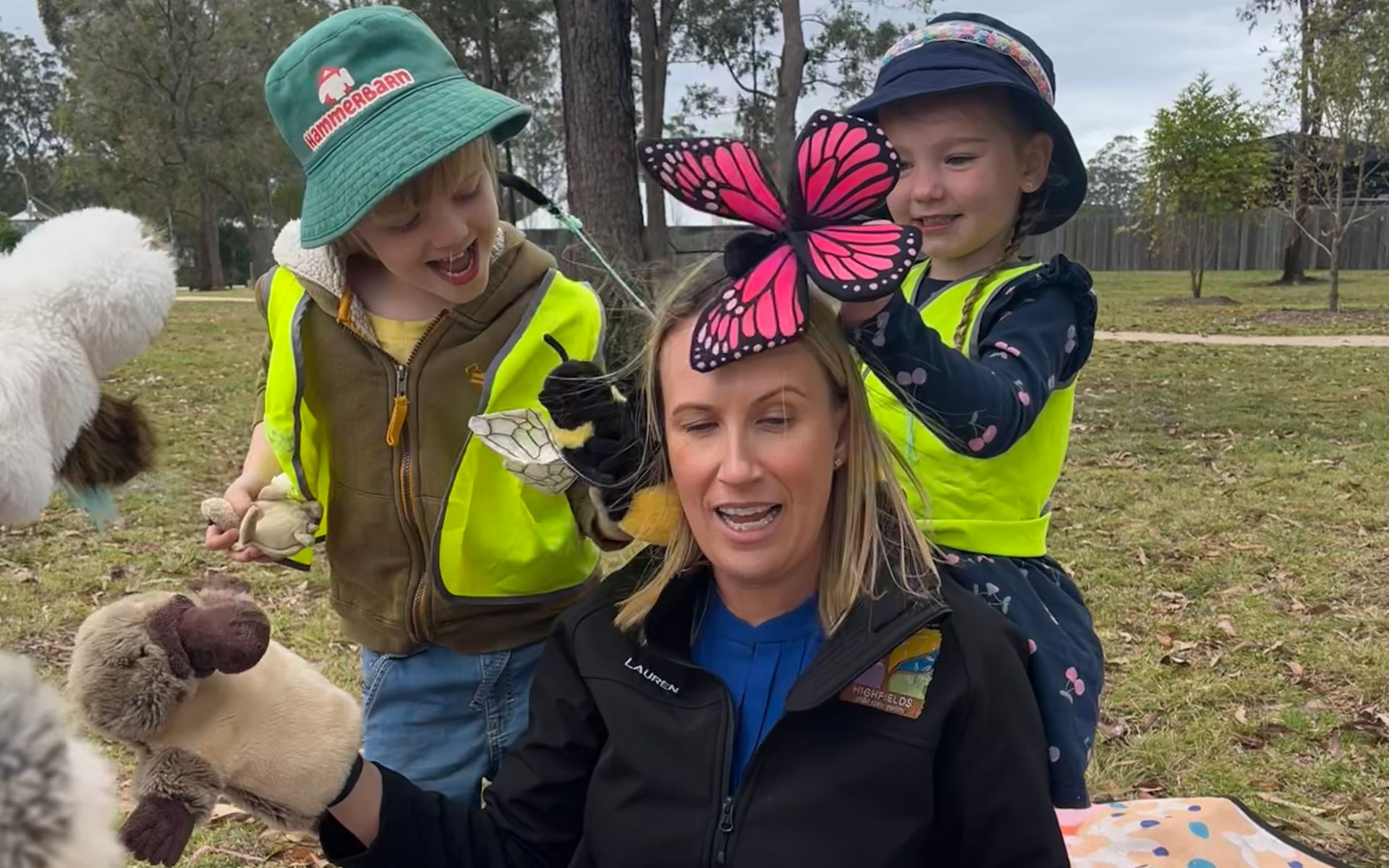
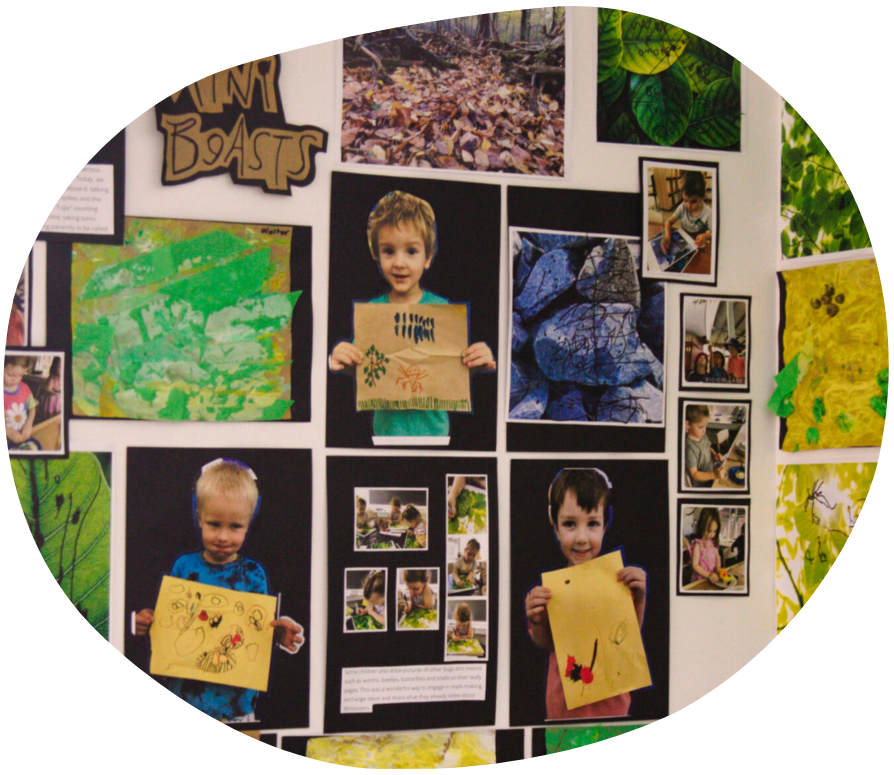
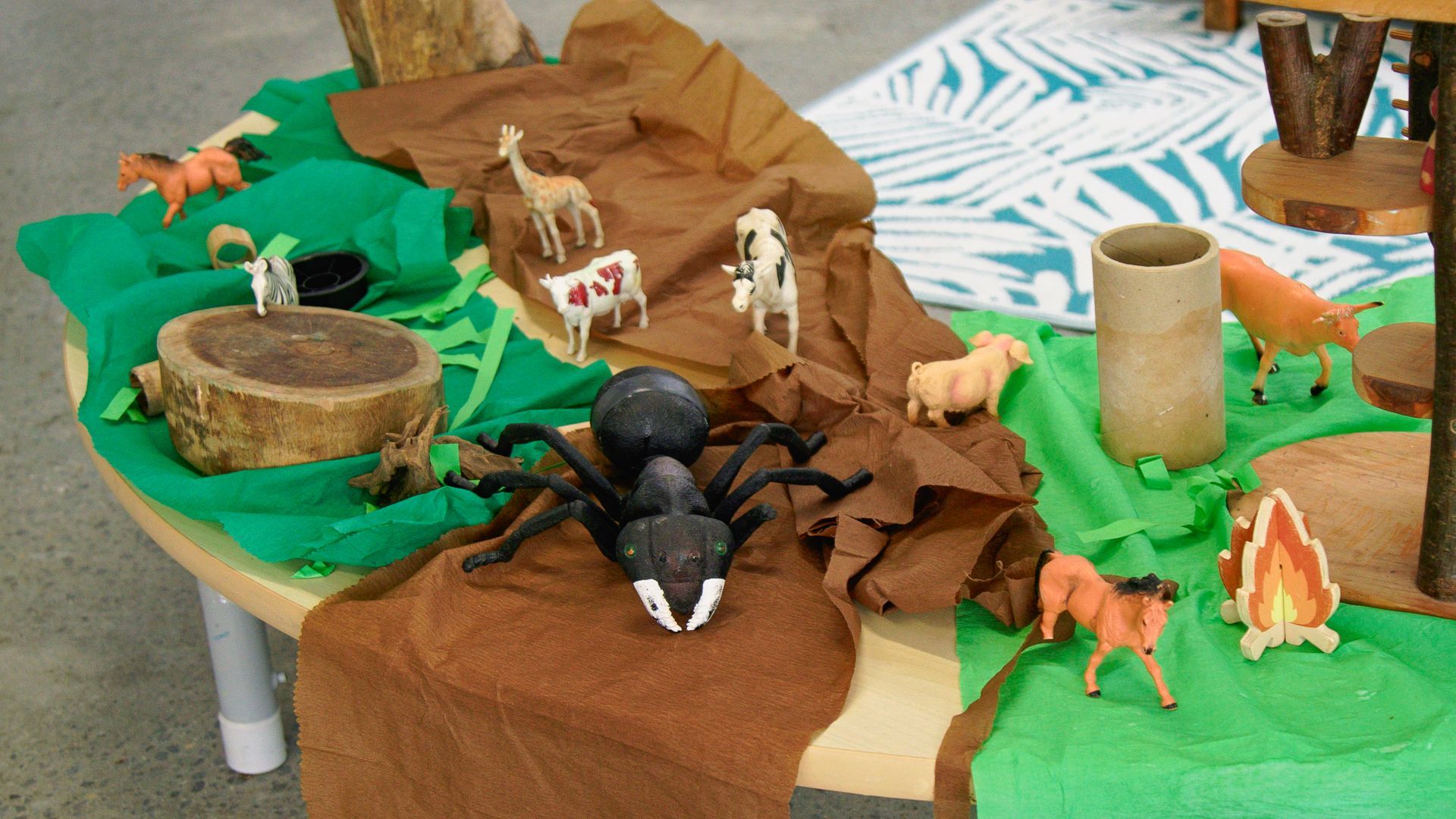
A story about animals might lead to an outdoor search for insects and creatures, a journey through a forest could inspire an imaginary adventure.
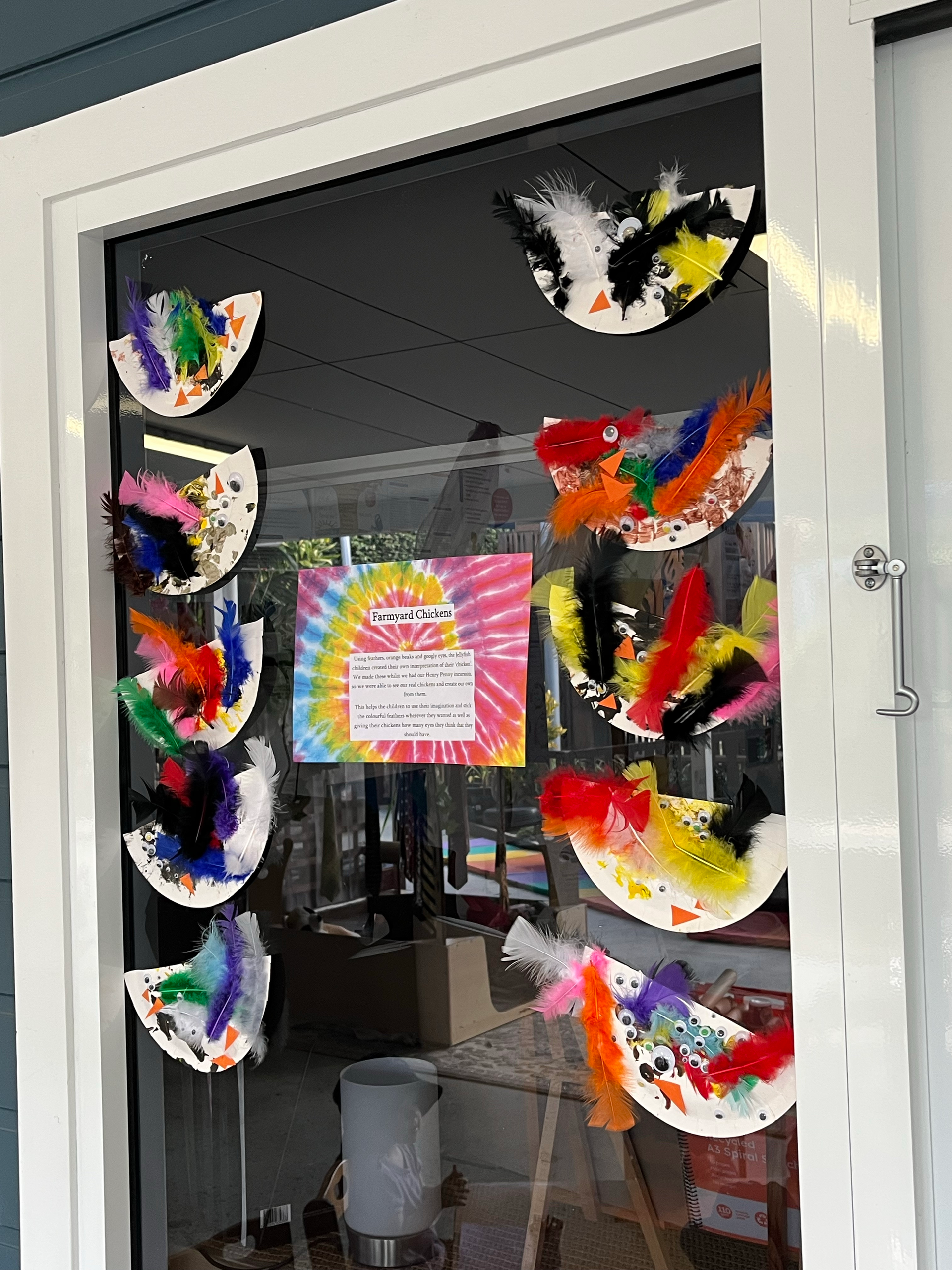
A story about building a home might lead to children gathering materials and constructing one of their own, or a child might take one small idea from a book and turn it into something nobody else expected.
The story provides the spark; children's curiosity helps decide where it goes next.
What are children learning when a story becomes play?
When children take ideas from stories into their play, they're making connections between what they've heard, what they already know and what they're curious to explore.
Depending on the experience, children might be:
- communicating and sharing ideas
- using their imagination
- working alongside others
- solving problems
- experimenting and investigating
- making decisions
- creating stories of their own
- exploring different perspectives.
But meaningful play doesn't always need an adult to decide what should happen next.
Sometimes our role is simply to notice what has captured a child's imagination and give them the time, space and opportunity to keep exploring it.
Why do stories and nature work so well together?
Some stories are made to escape from the page.
Natural environments offer children open-ended spaces and materials they can transform through imagination.
A stick can become a magic wand, fishing rod or building tool. Leaves can become ingredients in an imaginary café. A garden might become an enchanted forest. A dry creek bed can become the setting for an adventure. There's no single correct way to use these spaces or materials, and that's part of their value.
Children can take an idea they've encountered in a book and decide what it becomes next.
How does story-inspired play come to life at Sanctuary Maudsland?
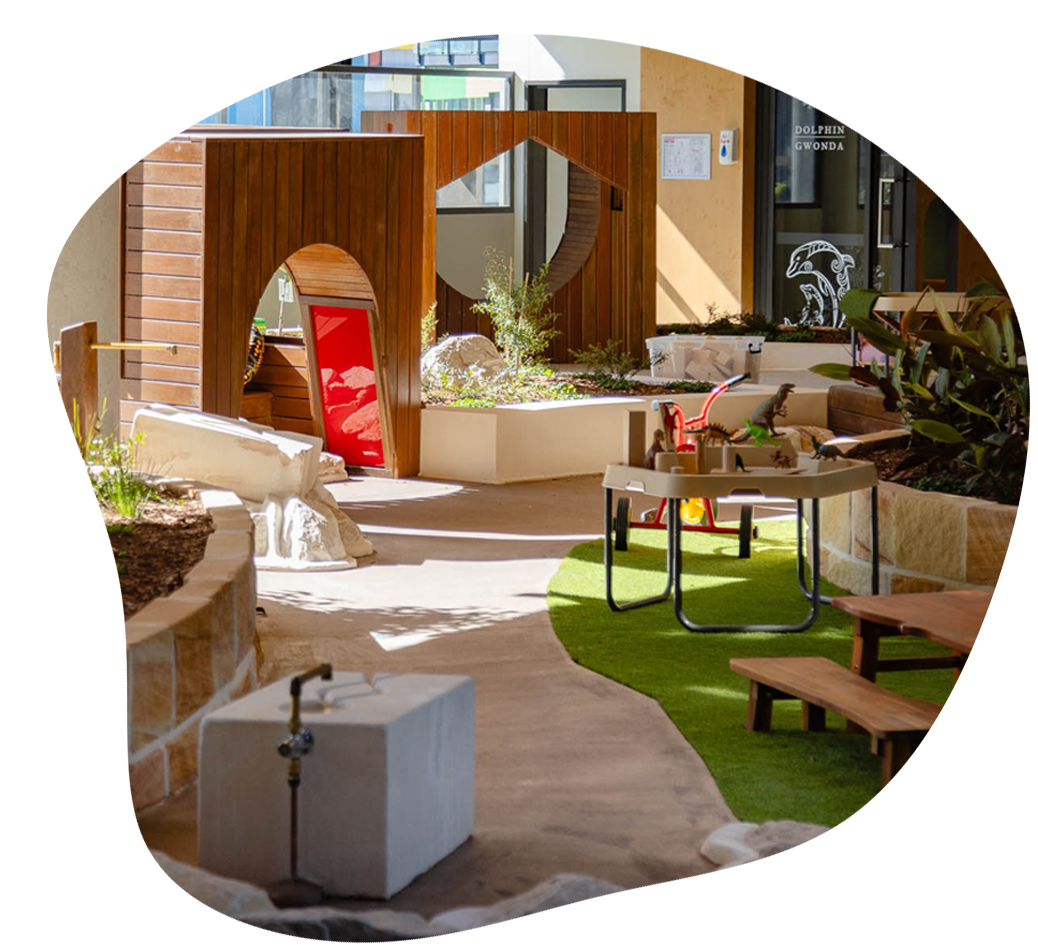
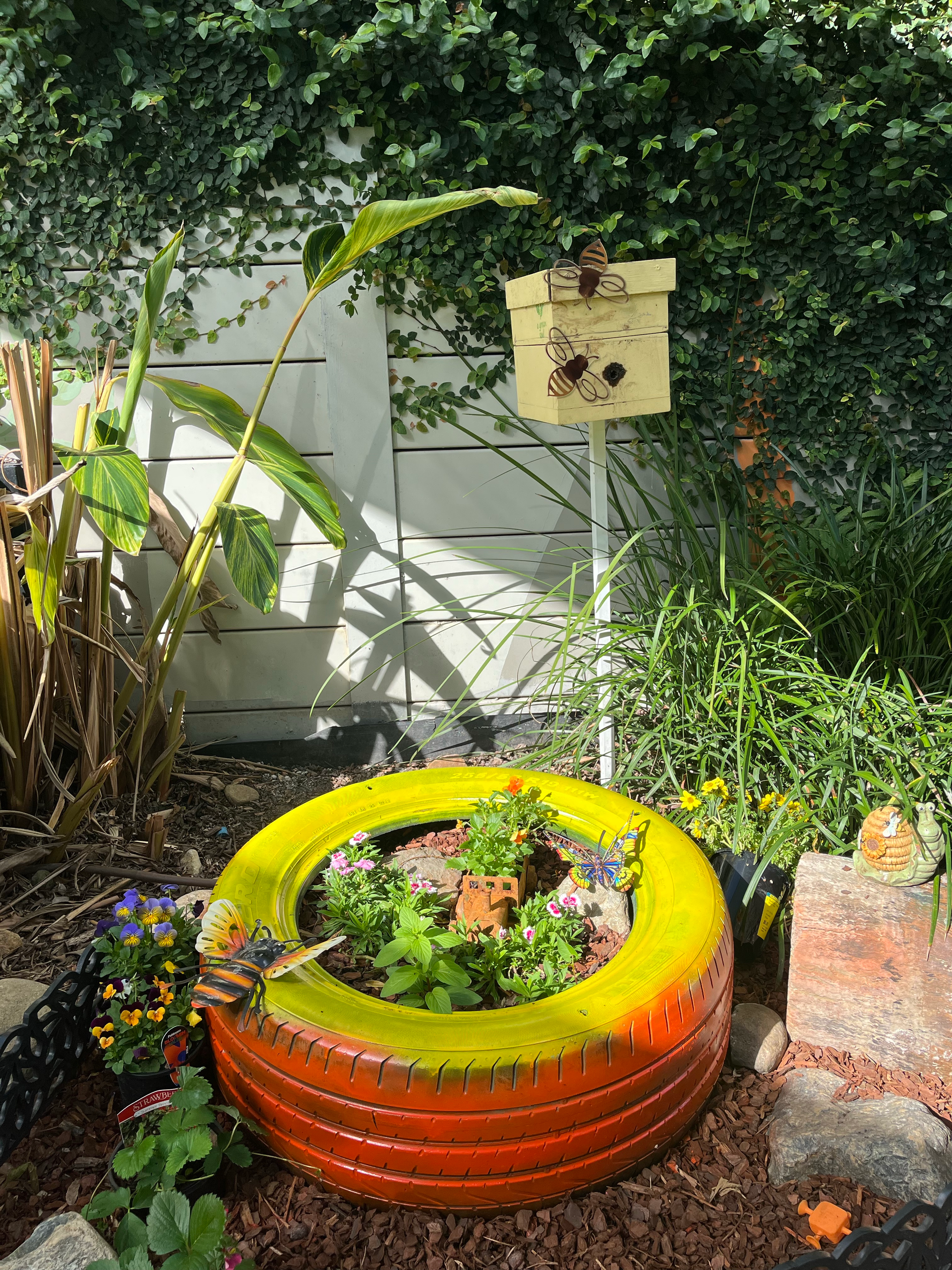
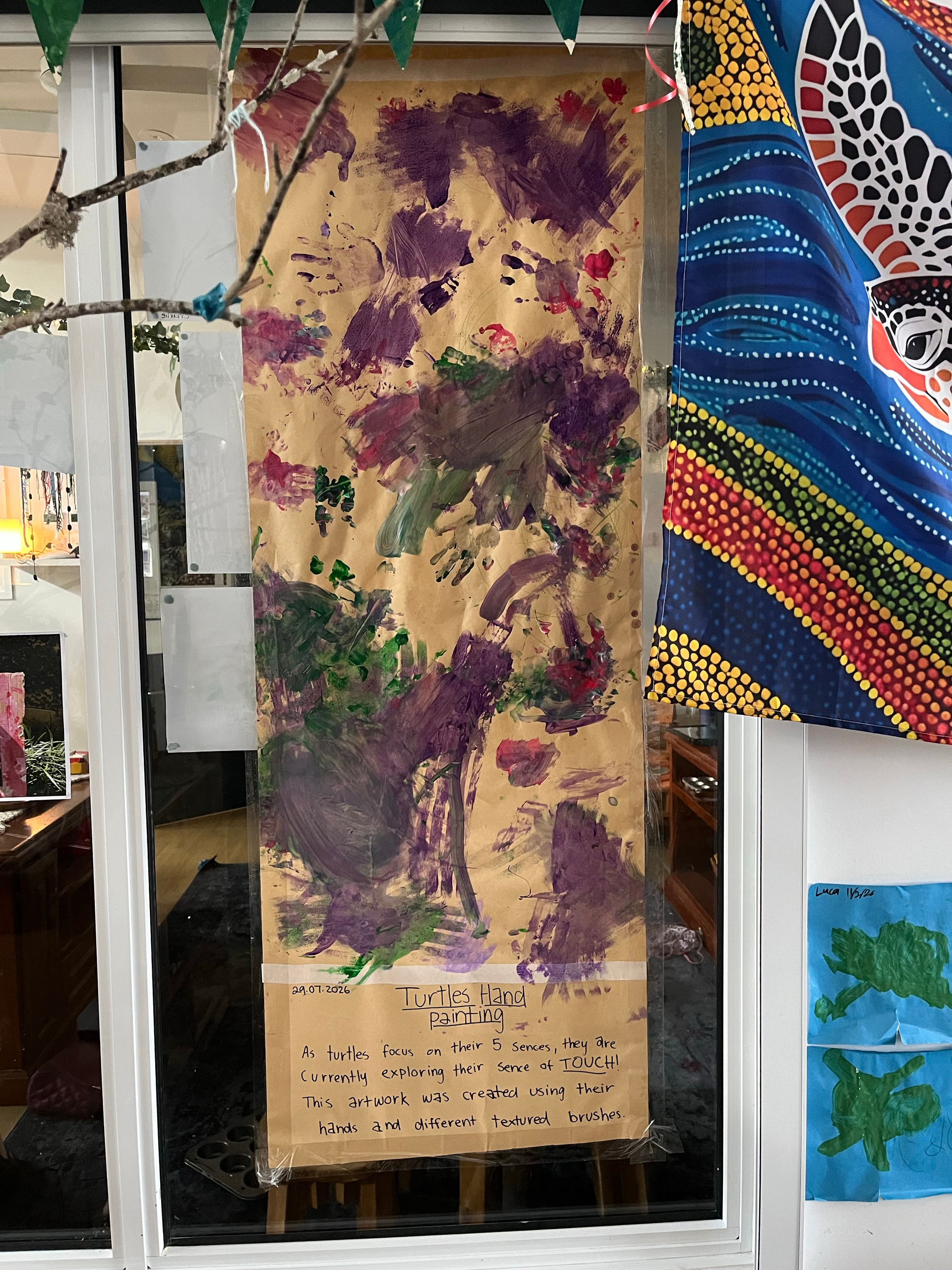
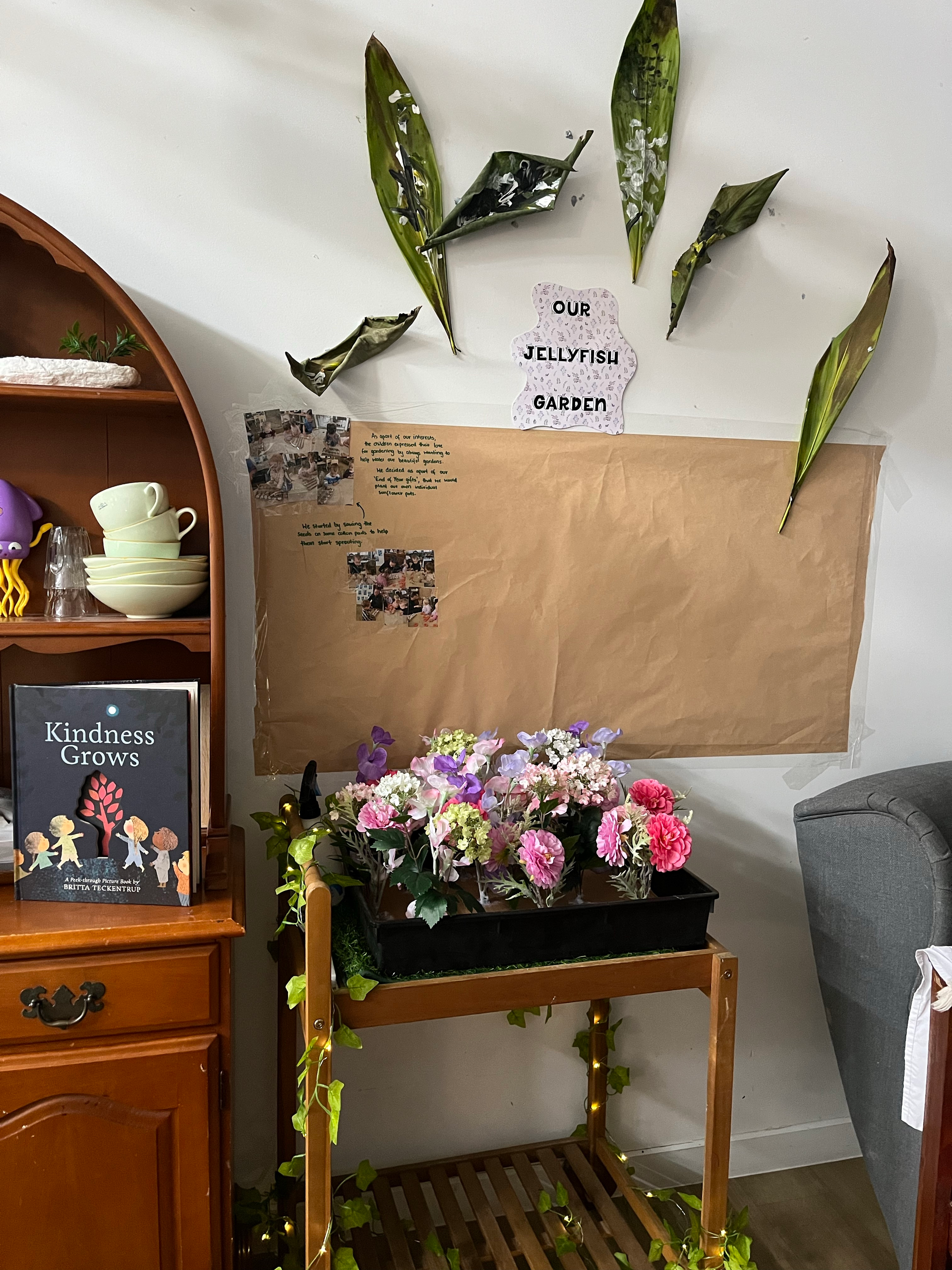
At Sanctuary Maudsland, children have opportunities to take their ideas beyond the page and into a nature-rich early learning environment.
A story can begin indoors and then travel outside.
An interest sparked by a book might lead children to investigate the natural environment, create something together, explore the garden or transform an outdoor space into an imaginary world.
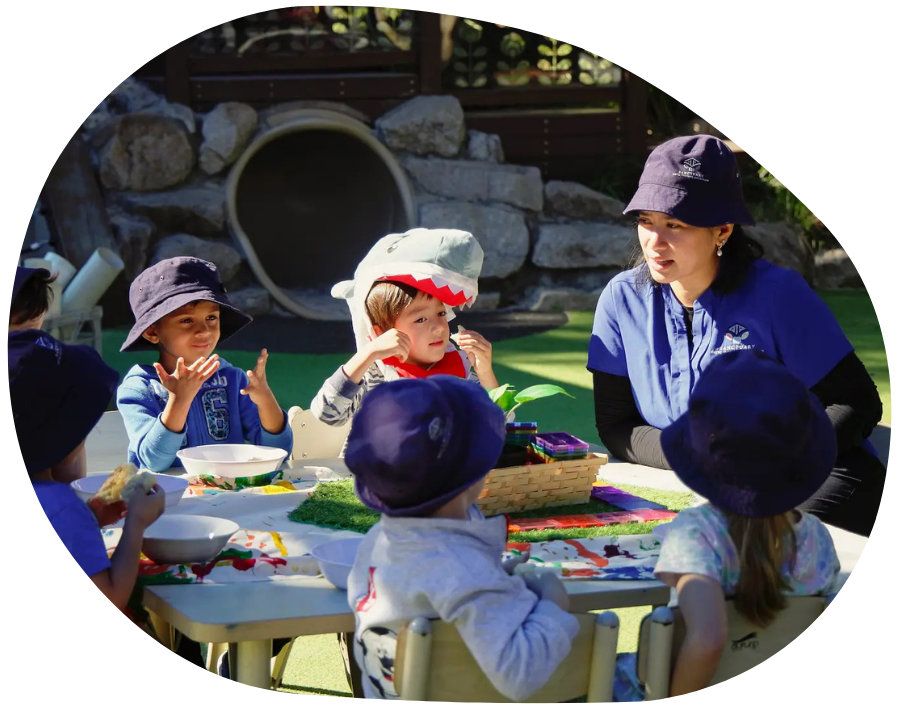
Our Educators can listen to children's ideas, notice where their curiosity is heading and look for opportunities to help those ideas develop. Sometimes that might mean finding another book. Sometimes it might mean providing new materials. And sometimes it might mean pulling on a hat and heading outside to investigate.
How do Educators extend children's ideas without taking over?
One of the most important things an Educator can do is notice.
What are the children talking about?
Which part of a story keeps appearing in their play?
What are they trying to create or understand?
What are they curious about?
Rather than deciding the outcome, Educators can respond with thoughtful questions, materials, another story or an opportunity to investigate something further. It means the learning can grow from children's interests rather than every experience having a predetermined destination.
How can families encourage story-inspired play at home?
You don't need elaborate activities or special resources.
Start with a story and see what captures your child's interest.
You might:
- head outside to look for something mentioned in the book
- collect leaves, sticks or stones for creating
- draw a favourite character
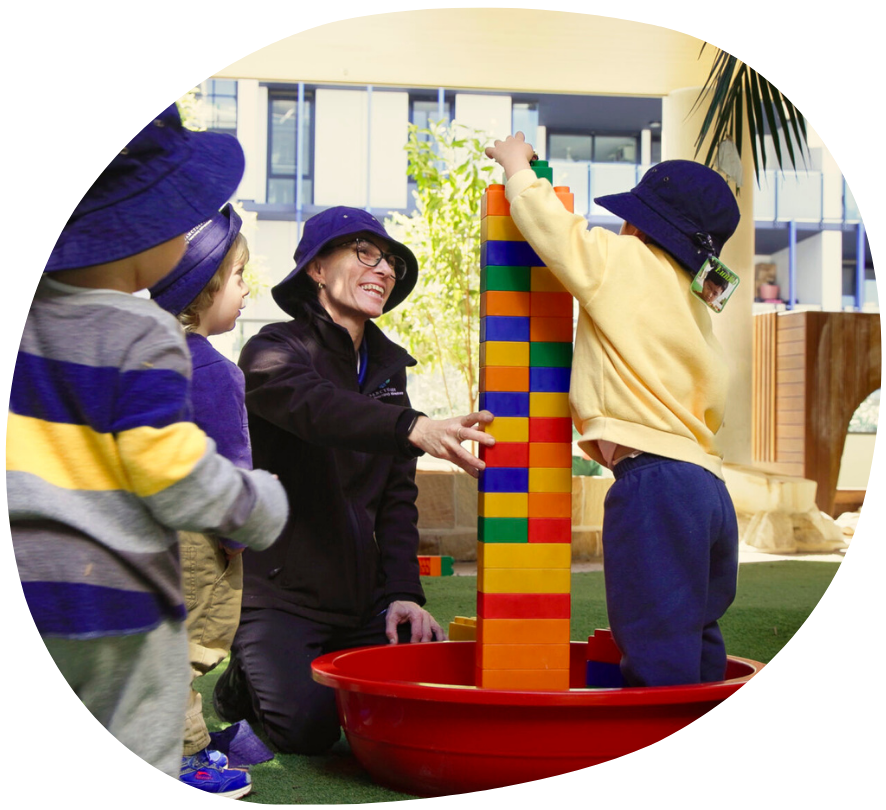
- build something using blocks or recycled materials
- act out part of the story together
- make up a different ending
- create your own imaginary adventure
- find another book about the same subject.
Try following rather than directing. Your child's idea might be completely different from yours – and that's part of the adventure.
Can the outdoors help children become storytellers too?
Stories don't only come from books.
A walk through the garden, an unusual insect, a cloud in a funny shape or something discovered on the ground can prompt questions and imaginative ideas of their own.
For families living around Maudsland, Tamborine Mountain and the Gold Coast hinterland, there are plenty of opportunities for children to notice and wonder about the natural world around them.
You might ask:
“What do you think lives there?”
“Where do you think that path goes?”
“What could we build with this?”
“What do you think happens next?”
You don't need to know the answer, sometimes a question is simply the beginning of another story.
What should parents look for in a play-based early learning environment?
If you're exploring early learning centres for your child, look beyond a list of activities. Consider what children are actually able to do within the environment.
Can they investigate and explore?
Can their ideas develop over time?
Are there open-ended spaces and materials?
Do Educators listen and respond to children's questions?
Are there meaningful opportunities to spend time outdoors?
And importantly, do the children appear comfortable, connected and valued?
A centre tour gives you an opportunity to experience these things for yourself.
Looking for childcare around Maudsland or Mount tamborine?
For families living around Maudsland, Tamborine Mountain and the wider Gold Coast hinterland, choosing childcare can mean balancing location and family routines with finding an environment that feels right for your child.
Sanctuary Maudsland provides early learning and care in a nature-rich environment where children have opportunities to connect, explore and follow their curiosity.
If you're searching for childcare in Maudsland, exploring childcare near Tamborine Mountain, childcare near Mount Tamborine or comparing early learning options across the northern Gold Coast hinterland, we invite you to discover Sanctuary Maudsland.
Because a good start in early learning isn't only about preparing children for what comes next. It's about making the years they're experiencing right now meaningful too.
Explore Sanctuary Maudsland, enquire about current availability or book a tour with our team.
How can I give my child a good start with reading?
Make books and stories an enjoyable part of everyday life. Read together, talk about pictures, follow your child's interests and let stories inspire conversations and play. There's no need to rush towards formal reading.
How do stories encourage imaginative play?
Stories introduce children to characters, places and ideas they can interpret in their own way. These ideas can then appear in drawing, building, outdoor exploration, dramatic play and storytelling.
Why is outdoor play good for imagination?
Outdoor environments can offer open-ended spaces and materials children can explore and transform through their ideas and play.
How can a book lead to outdoor learning?
A story might spark an interest in animals, plants, weather, water, building or another idea children can investigate outdoors.
What is an Educator's role in play-based learning?
Educators can listen, observe and respond to children's interests, creating opportunities that encourage further curiosity and exploration.
How can parents encourage imaginative play at home?
Keep it simple. Books, drawing materials, blocks, recycled objects and safe natural materials can all become starting points. Follow your child's ideas and see where they lead.
Where is Sanctuary Maudsland?
Sanctuary Maudsland is located in Maudsland on the northern Gold Coast, within the wider Gold Coast hinterland region.
How can I check childcare availability at Sanctuary Maudsland?
Availability can vary depending on your child's age, the days you need and your preferred start date. Contact Sanctuary Maudsland to discuss current childcare availability and the options for your family.
Recent Articles From Sanctuary