What do children really learn during Book Week?
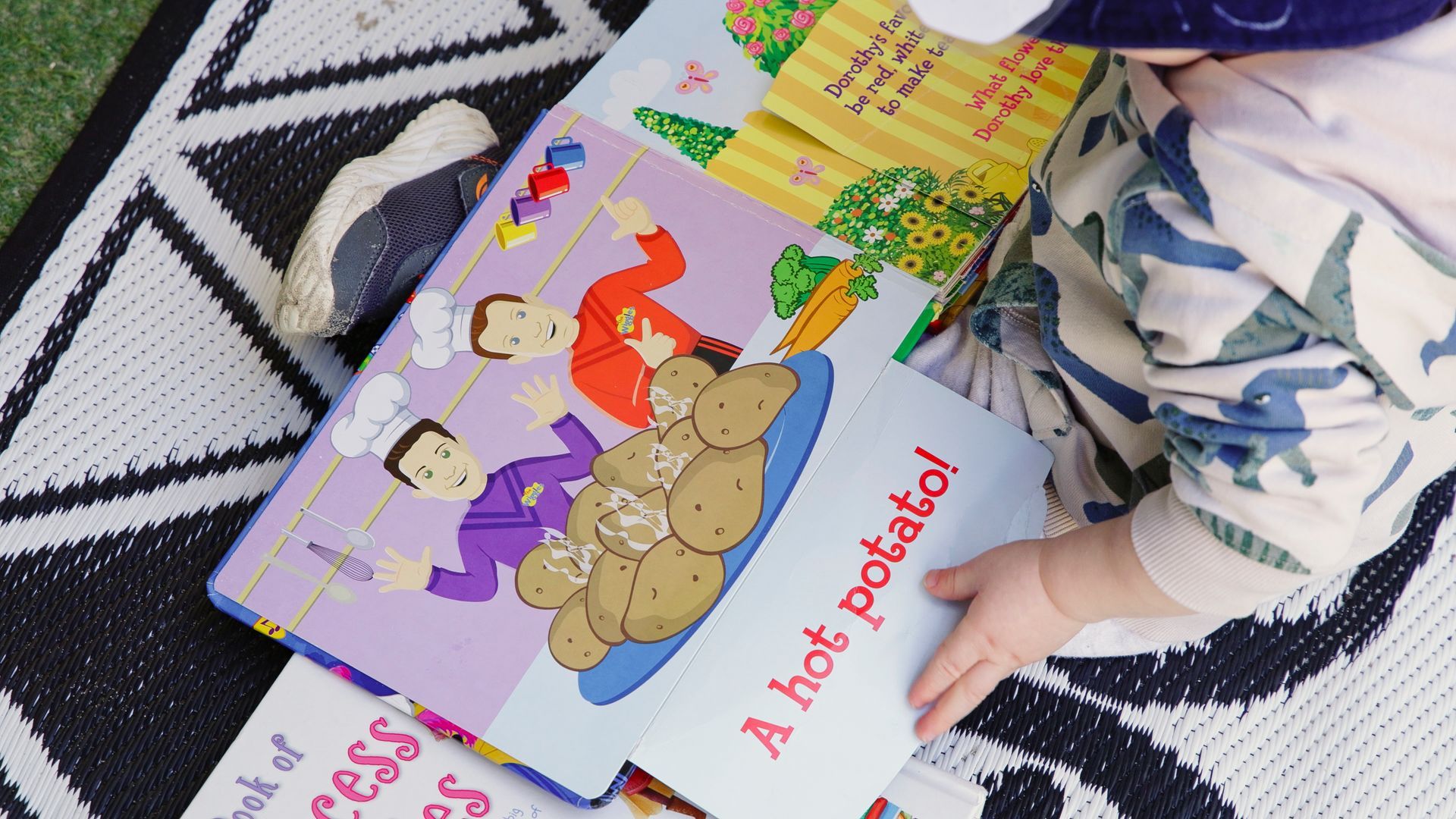
Book Week may be filled with favourite characters, colourful costumes and much-loved stories, but there’s plenty of meaningful learning happening too.
For young children, sharing stories can support language, imagination, creativity and connection. When stories continue through conversations, art and play, children have opportunities to explore ideas in ways that are meaningful to them.
At Sanctuary Early Learning Adventure, we love seeing where a story can lead.
Why is book week important in early learning?
Books give children a window into new ideas, people, places and experiences.
When we share stories together, children can listen, wonder, ask questions and make connections with their own lives. A story might introduce a new word, spark a conversation or inspire an entirely new direction for play.
Book Week gives us another opportunity to celebrate this curiosity.
While dressing as a favourite character can be part of the fun, the learning doesn't need to stop when the book closes.
What are children learning when we read together?
Reading with young children can create many opportunities for learning and connection.
As children listen to stories, they can begin to explore language and communication, notice patterns and pictures and share their own thoughts about what's happening.
Stories also invite questions.
What might happen next? How is the character feeling? What would you do? Have you ever experienced something similar?
These conversations give children opportunities to express their ideas and listen to the ideas of others.
Importantly, sharing a book can also simply be a lovely moment of connection between a child and someone important to them.
How can books encourage children's imagination?
A book can introduce an idea without deciding where that idea needs to go next.
A story about animals might inspire children to create their own animal world. A character travelling on an adventure might lead to maps, building or imaginative journeys outdoors. A book about gardens could prompt children to investigate what's growing outside.
Children can take an idea from a story and make it their own.
That's one of the wonderful things about early learning. We don't always know where children's curiosity will lead.
Our role is to notice those interests, listen and look for meaningful opportunities to extend them.
Is dressing up during Book Week part of the learning?
For many children, dressing up is an opportunity to step into an imaginary world.
A costume can become the starting point for dramatic play, conversations and storytelling. Children may recreate something they've read or invent a completely new story with their friends.
And not every child needs to dress up to participate.
Book Week can be celebrated in many ways – sharing a favourite book, drawing a character, telling a story, creating something or simply enjoying time reading together.
The important part is creating positive experiences around books, stories and imagination.
How can a story continue through play?
Sometimes, finishing the book is only the beginning.
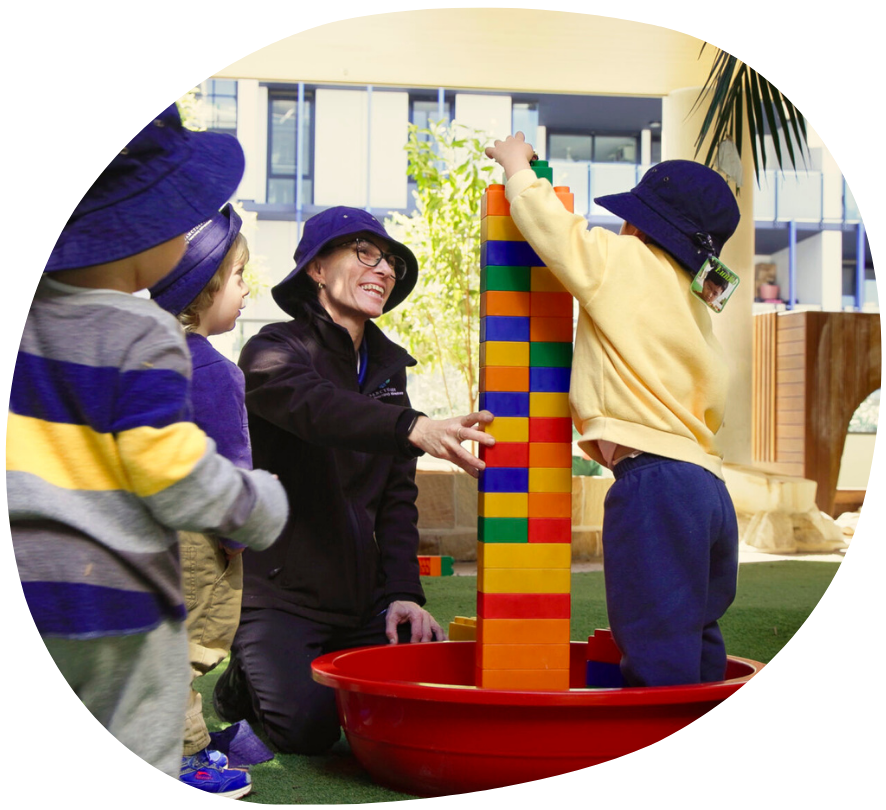
Children may take characters, places or ideas from a story into their play. They might build a home for a character, recreate an adventure outdoors, paint something they've imagined or tell their own version of the story.
When this happens, the child isn't simply repeating what they've heard. They're exploring the idea in their own way.
This is why stories and play can work so beautifully together in early learning.
Read next: From stories to play – how stories inspire play in early learning.
What does Book Week look like at Sanctuary?
At Sanctuary, we see stories as another opportunity to connect with children’s interests, ideas and curiosity.
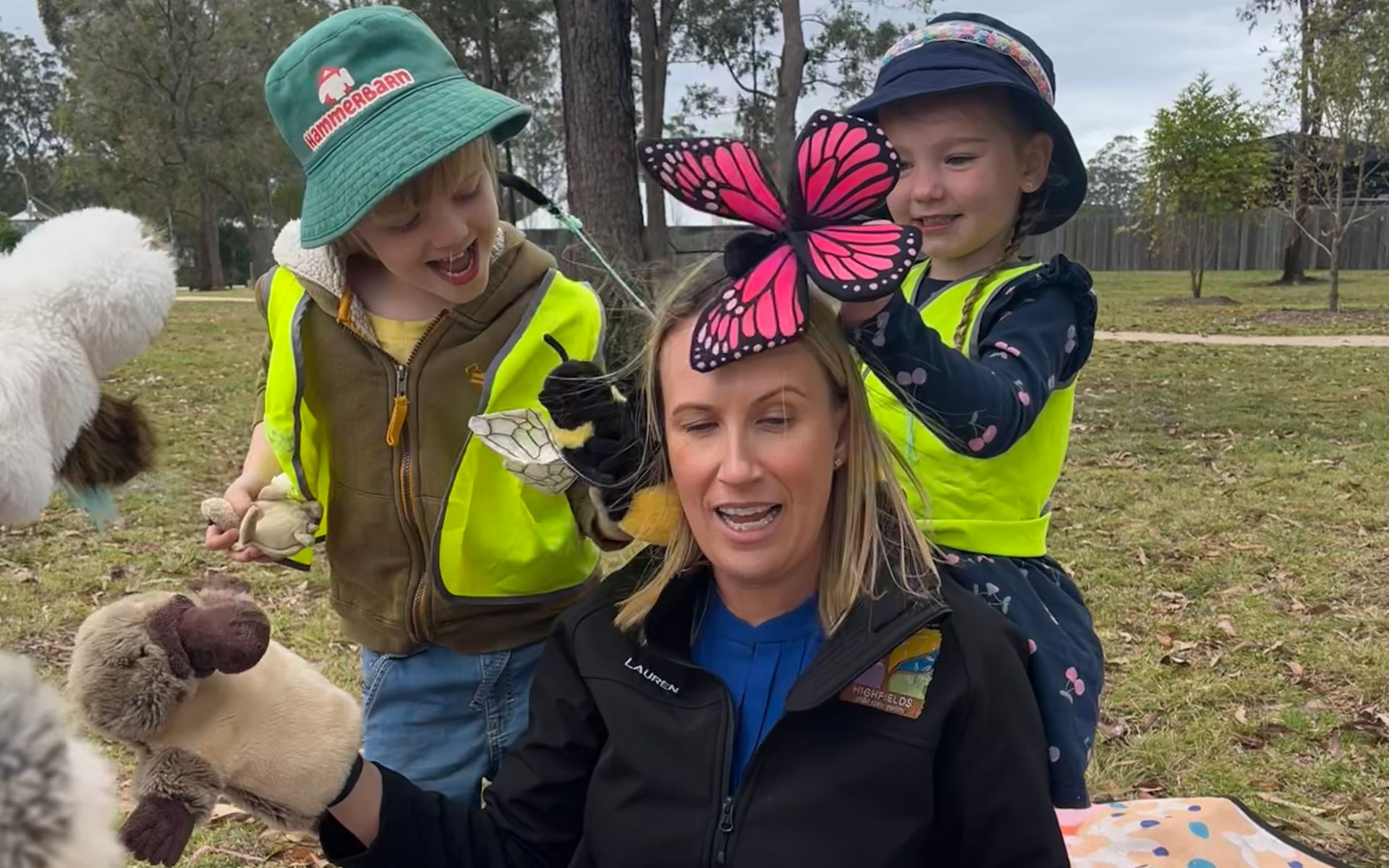
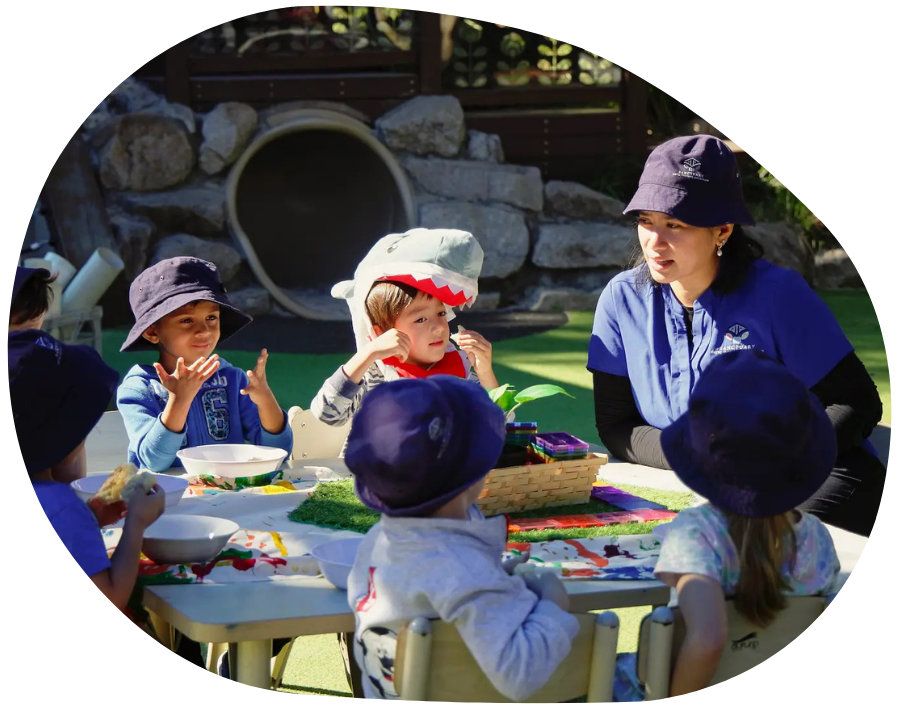
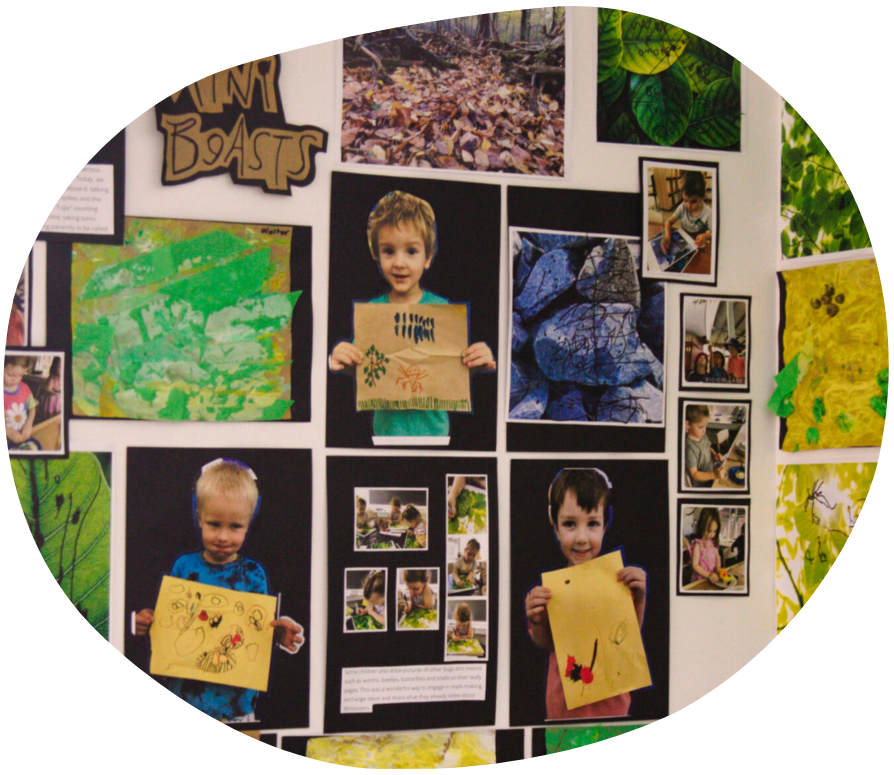
A story might spark a conversation, inspire imaginative play or encourage children to investigate something completely new. What begins with a book can move into the art space, outdoors, into construction or dramatic play – sometimes in ways we never expected.
A story could lead to:
- painting, drawing, music or movement
- imaginative and dramatic play
- exploring plants, animals or the natural world
- conversations about feelings, friendships and belonging
- building, making and problem-solving
- children creating and sharing stories of their own.
The direction depends on the children, their ideas and the opportunities that emerge.
That’s where the learning becomes meaningful – when children can take an idea, make connections and explore it in their own way.
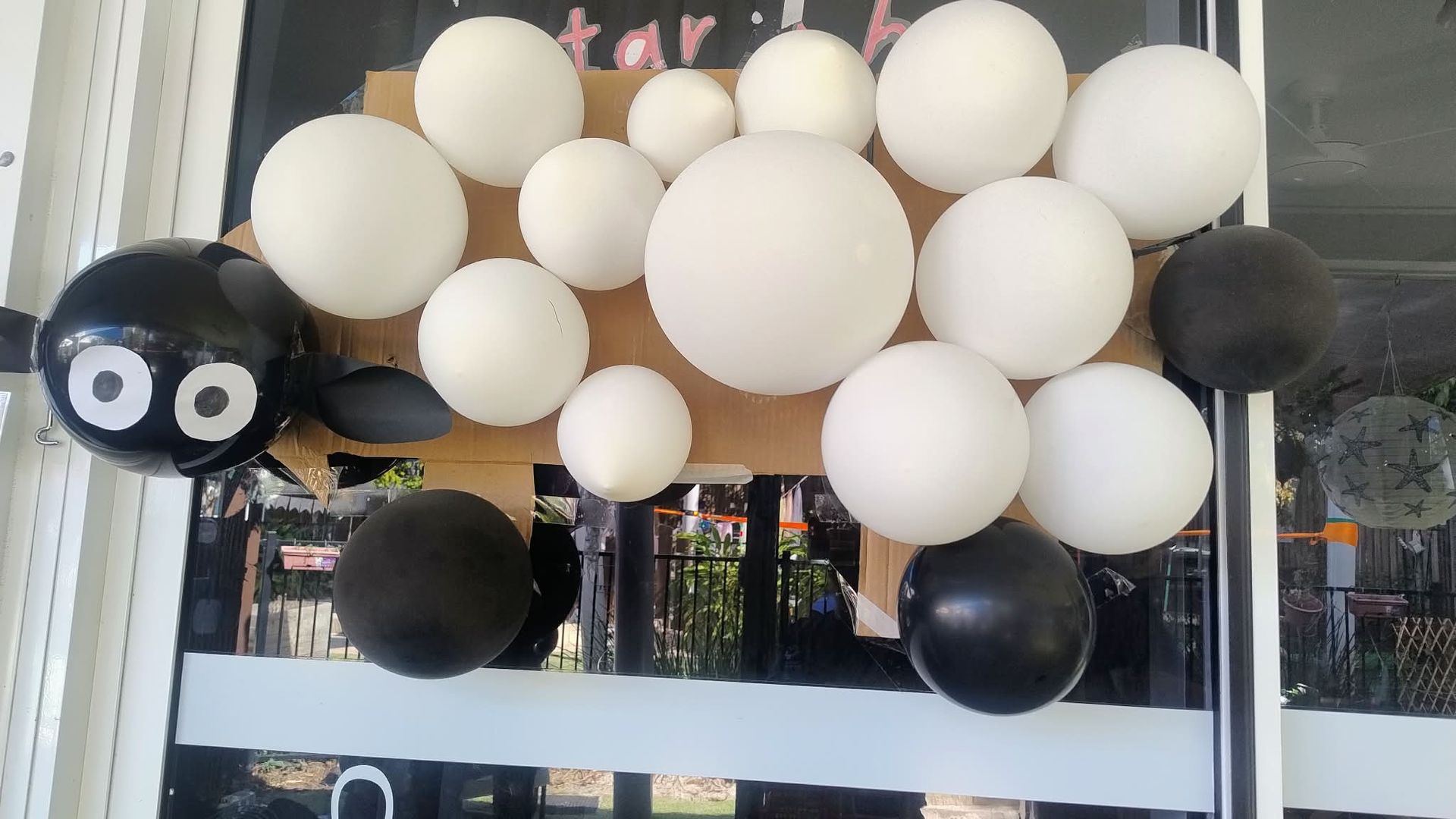
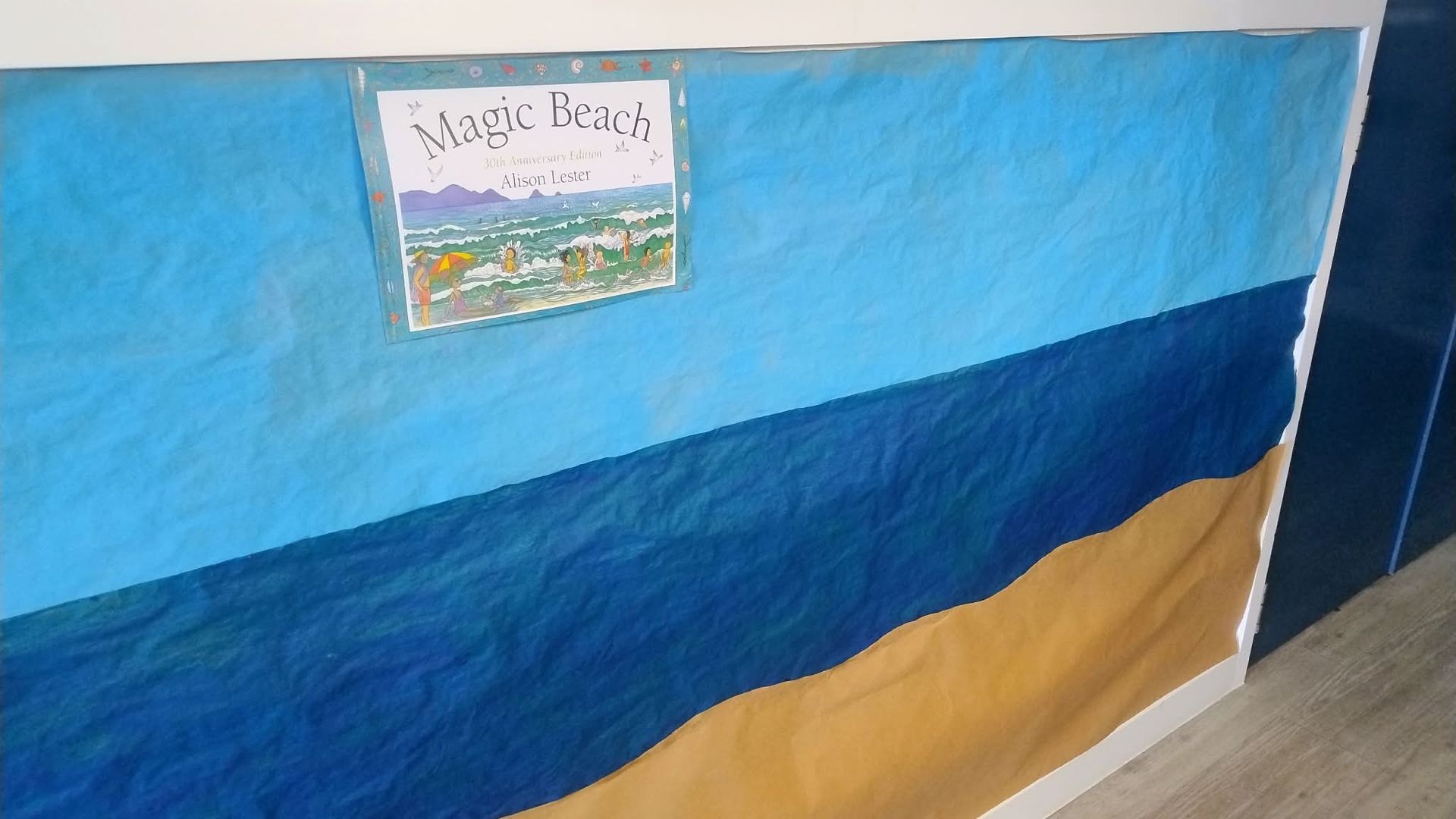
Below is a sneak peek into what is coming to Sanctuary Ashmore, this book week...
How does storytelling support a sense of belonging?
Stories can help children see experiences that are familiar to them while also introducing experiences that may be different from their own.
They can prompt conversations about families, friendships, feelings, communities and the world children see around them.
We can also invite children to become storytellers themselves.
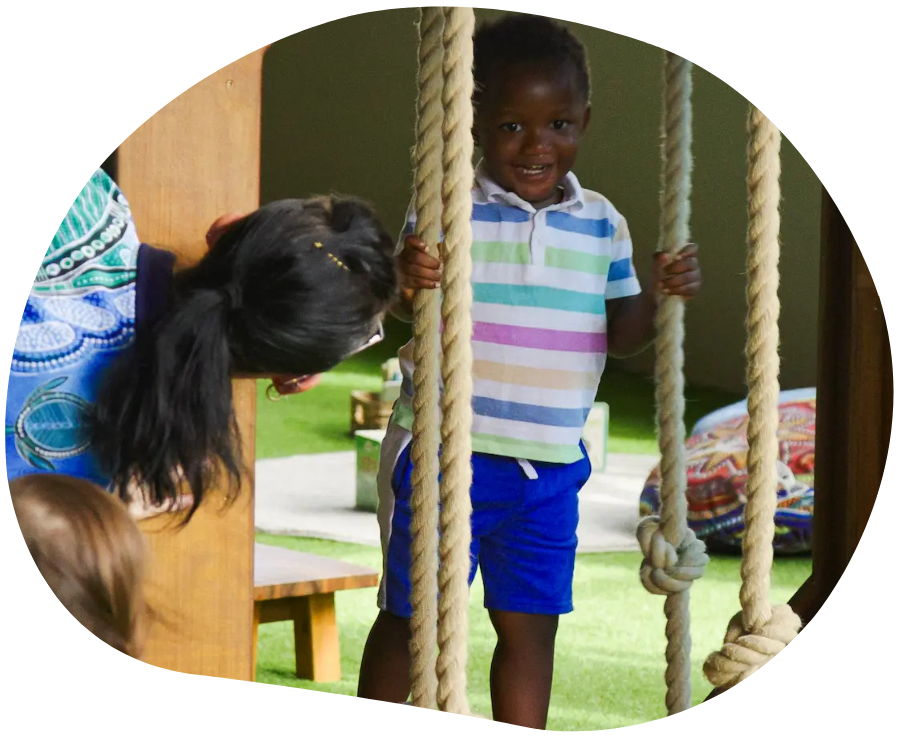
Their ideas and experiences matter. When children have opportunities to share them, we can listen, respond and create an environment where every child feels valued and connected.
How can families continue the learning at home?
You don't need to create a formal learning activity after every story.
Follow your child's interest instead.
You could:
- ask which part of the story they liked
- wonder together about what might happen next
- draw a favourite character
- act out part of the story
- find something from the book in your garden or community
- make up a different ending
- let your child tell you their own story.
And sometimes, just read the book again. Favourite books often become favourites for a reason.
What should families look for in an early learning environment?
When choosing an early learning centre, look beyond the activities listed on a website.
Ask how Educators respond to children's interests. Look at whether children have opportunities to explore ideas through different types of play and whether their questions and curiosity are valued.
Most importantly, consider how the environment feels.
Do children appear comfortable and connected? Do Educators engage with them warmly? Can you imagine your child developing a genuine sense of belonging there?
For families looking for childcare in Ashmore or near Benowa, visiting the centre is one of the best ways to experience this for yourself.
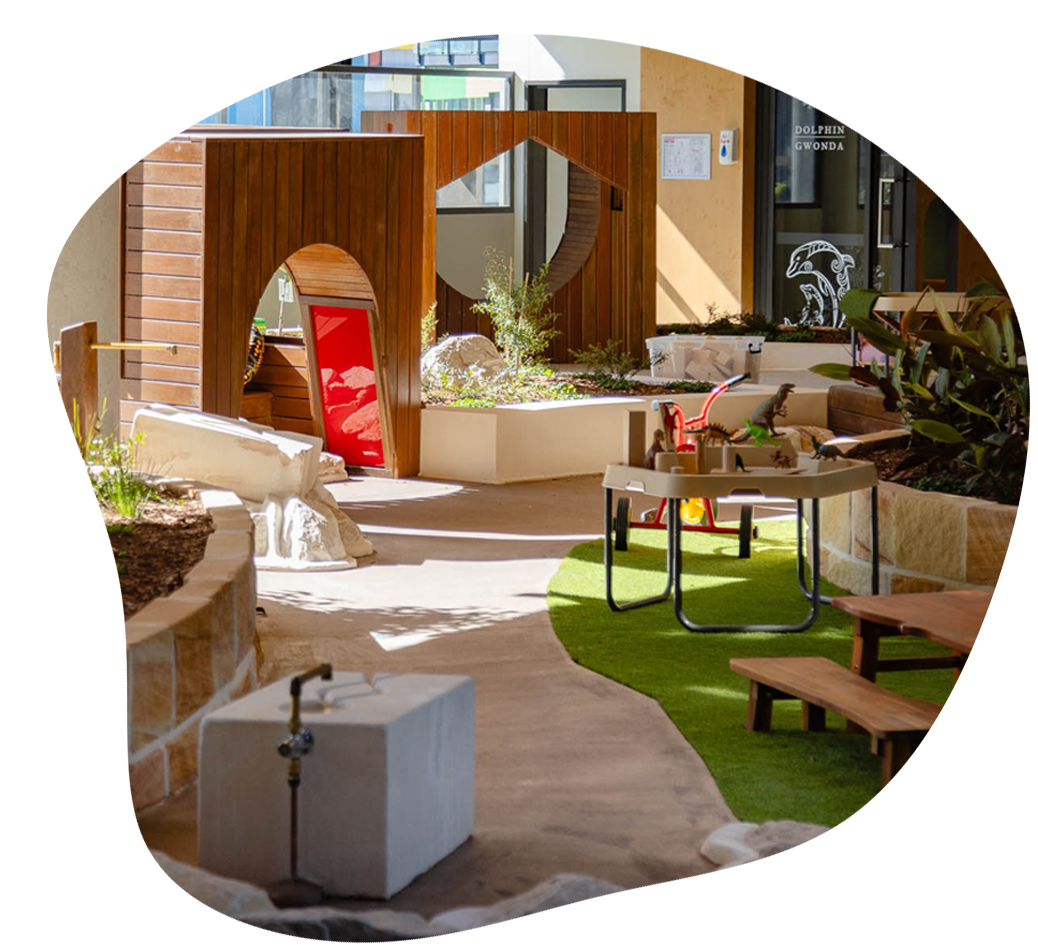
At Sanctuary Ashmore, our goal is to create a nurturing, home-like environment where children can connect, explore and enjoy learning.
What is the purpose of Book Week for young children?
Book Week is an opportunity to celebrate books, stories and reading. In early learning, stories can also spark conversations, imagination, creativity and play.
What can children learn from stories?
Stories can create opportunities for children to explore language, ideas, emotions, imagination and different perspectives. What children take from a story will vary depending on their age, interests and experiences.
Why do child care centres celebrate Book Week?
Celebrating Book Week can help create positive experiences around books and storytelling while giving Educators opportunities to follow children's interests into further conversations and play.
Does my child need to dress up for Book Week?
No. Dressing up can be fun, but there are many ways to participate. Reading, storytelling, drawing, imaginative play and sharing favourite books can all be part of the experience.
How can parents encourage a love of books?
Make books easy to access, share stories together and follow your child's interests. Reading doesn't need to feel like a lesson – enjoying a story together is valuable in itself.
How does Sanctuary use stories in early learning?
Our Educators can use children's interests, including interests sparked by stories, as opportunities for further exploration, conversation, creativity and play.
Can I visit Sanctuary to learn more about its approach?
Yes. We encourage families to visit their local Sanctuary centre, meet the team and experience the learning environment.
Where can I learn more?
Book Week reminds us that a simple story can open the door to so many possibilities.
At Sanctuary, we want children to feel curious, connected and confident to explore those possibilities in their own way.
Discover your local Sanctuary Early Learning Adventure centre or book a tour to experience our approach to early learning.
Recent Articles From Sanctuary