It Takes a Village: How Partnerships Support Children and Families in the Early Years
There's an old saying that it takes a village to raise a child. And while the world has changed considerably since those words were first spoken, the sentiment behind them feels just as important today.
Because behind every child who is learning, growing, discovering and finding their place in the world, there are people helping them along the way.
Parents, grandparents, siblings, educators, friends and neighbours. People who celebrate the milestones, offer reassurance on the difficult days and help children feel that they belong.
In early childhood education, strong partnerships between families, educators and the wider community help children feel safe, supported and connected. These relationships bring together the people who know and care for a child, creating a network of support that extends well beyond the childcare centre.
At Sanctuary Early Learning Adventure, we believe these connections are at the heart of a meaningful early learning experience.
Why are relationships so important in the early years?
A child's earliest experiences of relationships help shape how they see themselves, others and the world around them.
When children are surrounded by people who know them, listen to them and respond to their needs, they begin to develop a sense of security and belonging. This provides an important foundation for their confidence, wellbeing and willingness to explore.
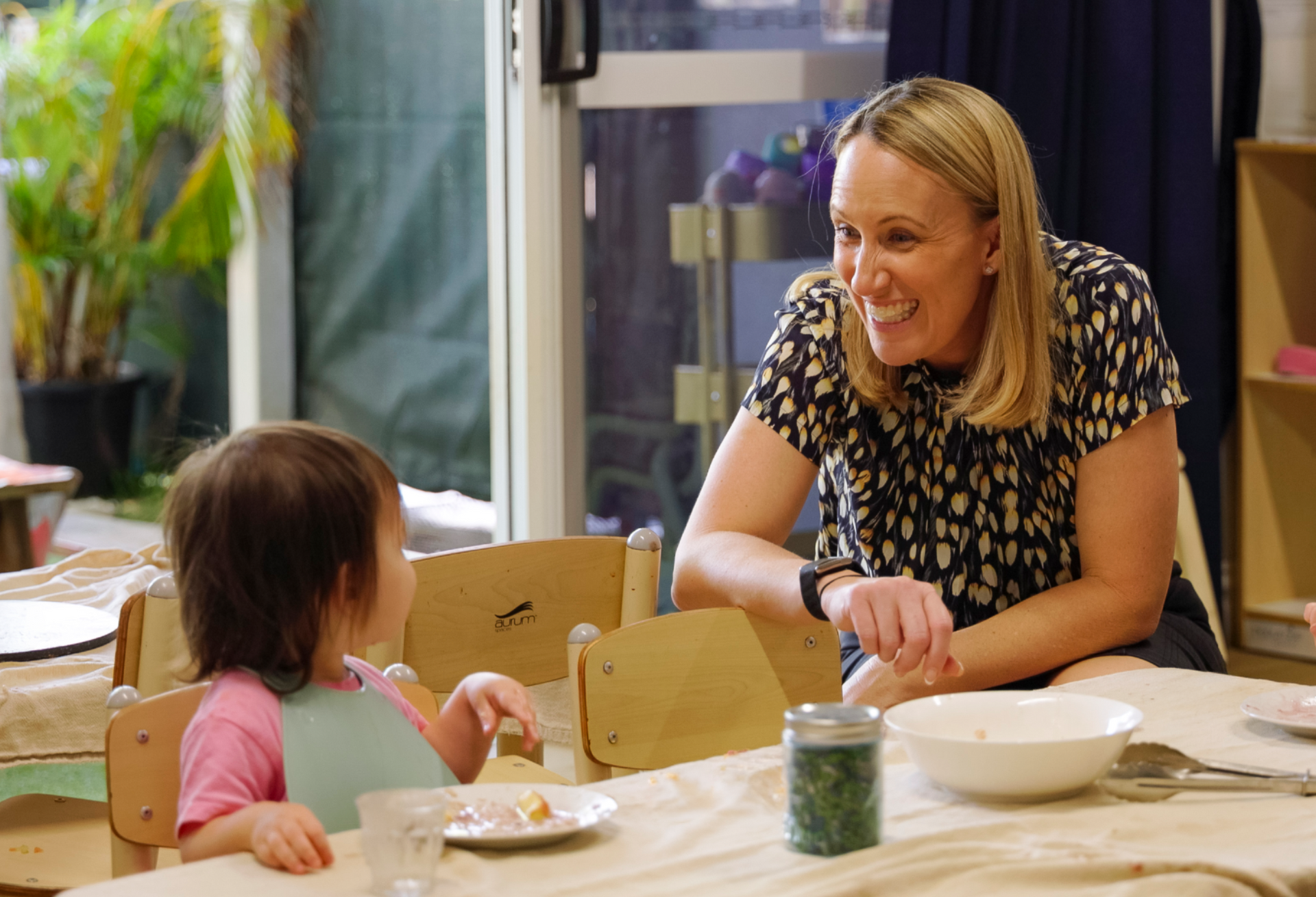
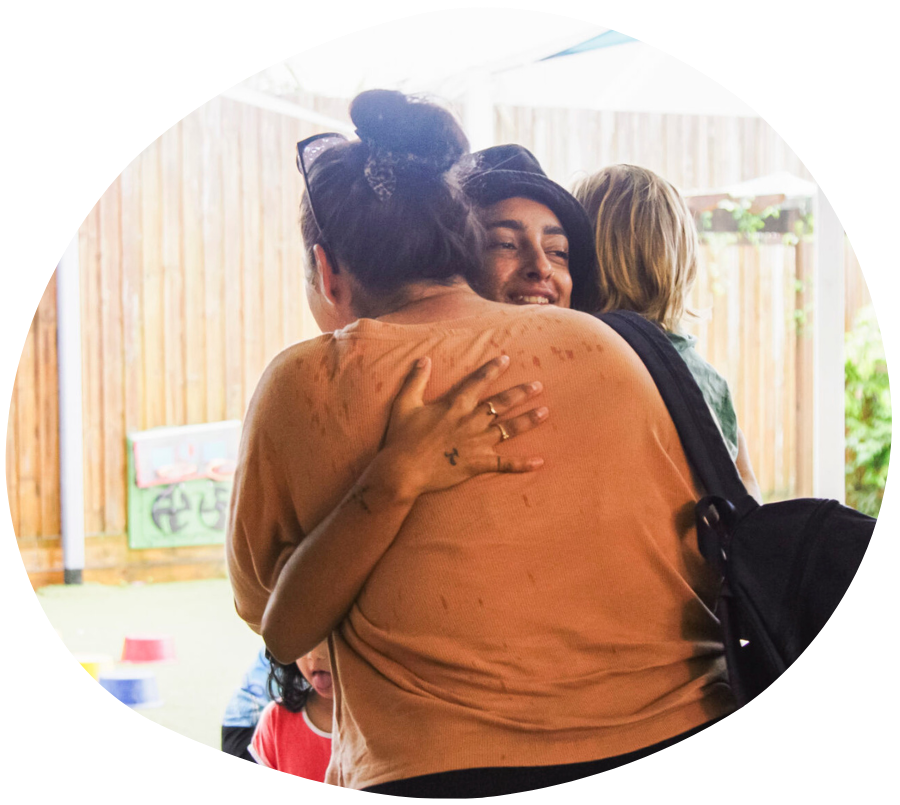
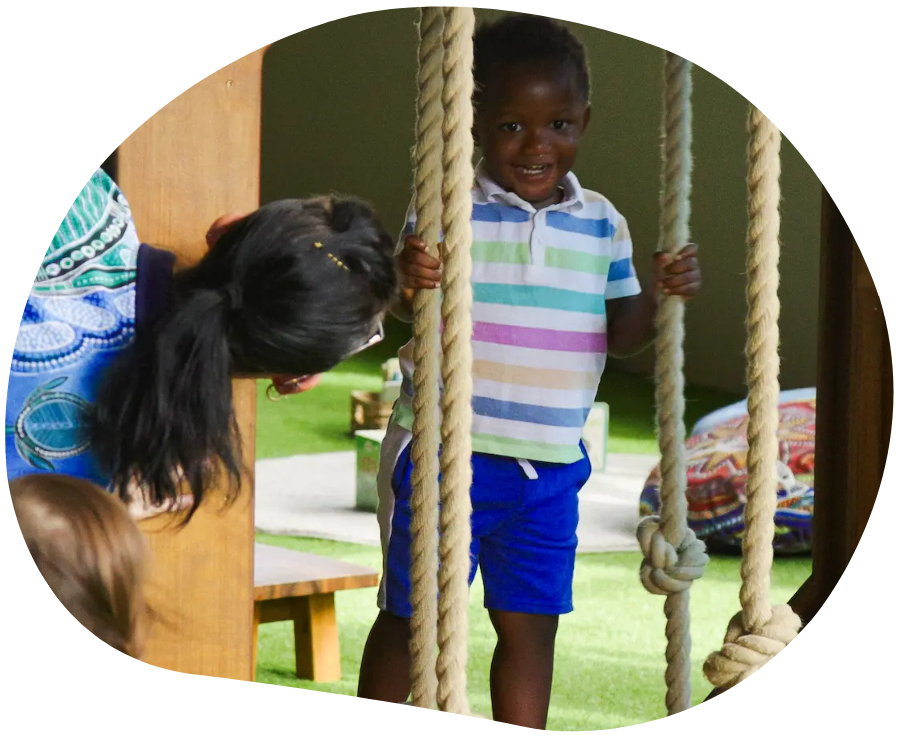
A familiar face at morning drop-off. An educator who remembers their favourite story. A friend who invites them to play. A parent who shares a little detail about something exciting happening at home.
These moments might seem small, but together they help children understand something incredibly important: I am known. I am valued. I belong here.
Australia's Early Years Learning Framework recognises the importance of secure, respectful and reciprocal relationships, alongside partnerships with families and connections to community.
Children don't experience their world in separate pieces. Their home life, early learning environment, friendships and community experiences all contribute to who they are becoming.
And when those different parts of their world are connected, children have more opportunities to feel understood and supported.
Parents and educators: a partnership built on trust
Nobody knows a child quite like their family.
Parents and caregivers bring an understanding of their child's personality, interests, routines, culture, experiences and the little things that make them who they are.
Educators bring their own knowledge of early childhood development, learning through play and the relationships children build in group environments.
When these perspectives come together, something meaningful happens.
Educators gain a deeper understanding of each child, while families gain another group of people who genuinely care about their child's happiness, development and wellbeing.
But strong partnerships aren't built through occasional updates alone.
They're built through everyday conversations, shared observations, listening and mutual respect.
Sometimes that means celebrating a milestone together. Sometimes it's working through a challenging transition, understanding a new behaviour or finding ways to support a child's emerging interests.
And sometimes it's simply an educator asking, "How are things going at home?" and making the time to listen to the answer.
The most meaningful family partnerships are two-way relationships. Families should feel comfortable sharing their perspectives, asking questions and contributing to decisions about their child's learning and care.
At Sanctuary, we want families to feel that they are part of their child's early learning journey, not simply watching it unfold from the sidelines.
What does a village look like beyond the childcare centre?
A child's village extends far beyond the people they see at home or in their early learning environment.
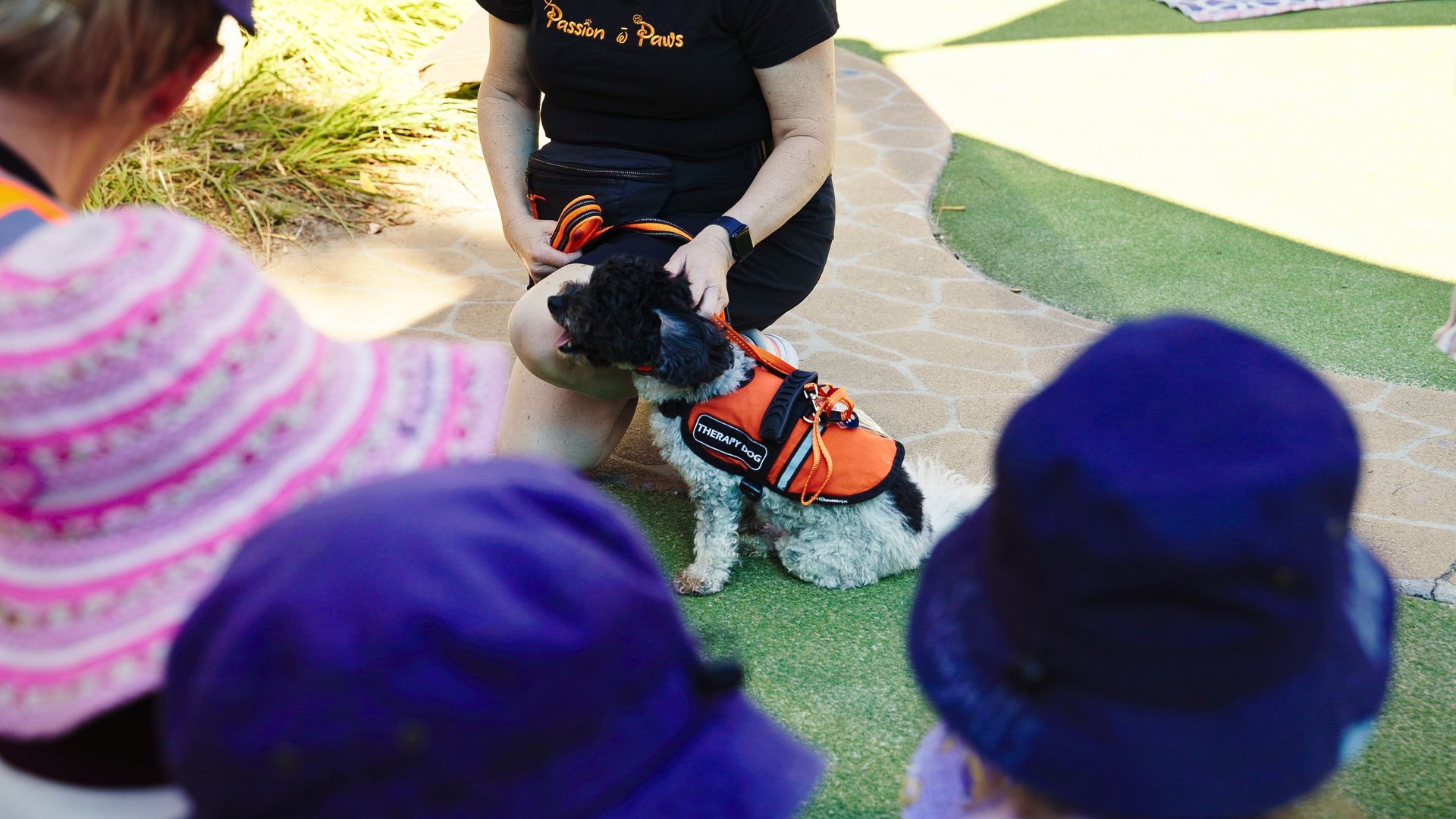
It might include grandparents who share family stories, neighbours who stop to say hello, local community groups, cultural connections, health professionals or the familiar faces children encounter in their neighbourhood.
These relationships help children discover that they are part of something bigger.
Community connections can introduce children to different perspectives, experiences and ways of life. They create opportunities to develop empathy, curiosity and respect for others.
They also help children understand that their contributions matter.
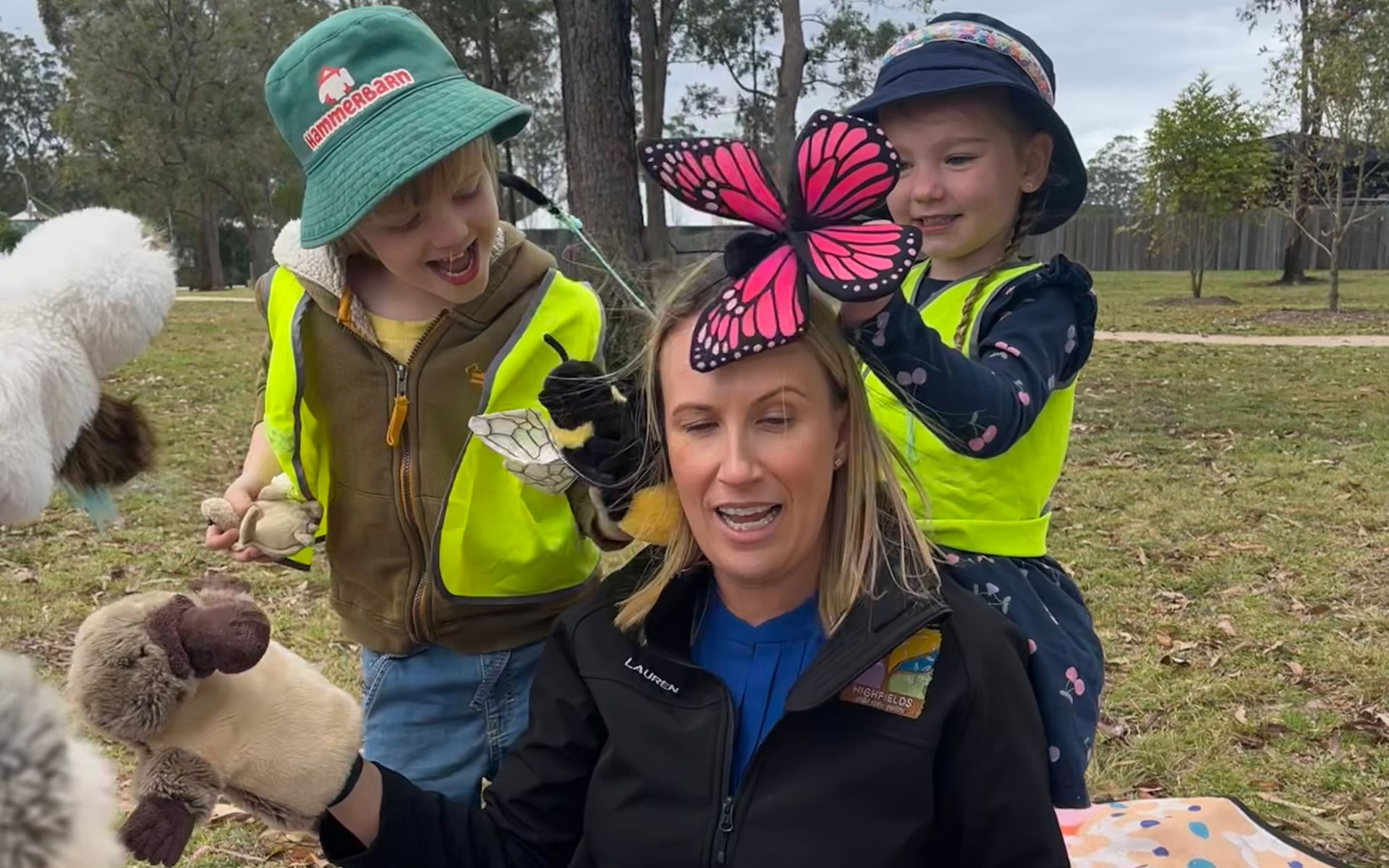
Whether children are participating in a community initiative, learning from a visitor, exploring their local surroundings or building connections across generations, these experiences can make learning more meaningful.
Importantly, every family's village looks different.
Some families have extended relatives nearby. Others are raising children far from the people they grew up with. Some have strong community networks, while others are still finding their people.
There is no single picture of what a village should look like.
What matters is having relationships that offer connection, encouragement and support.
And for many families, their early learning community becomes an important part of building that network.
How do we build meaningful partnerships at Sanctuary?
At Sanctuary Early Learning Adventure, our family-owned foundations influence how we approach relationships with children, families and our communities.
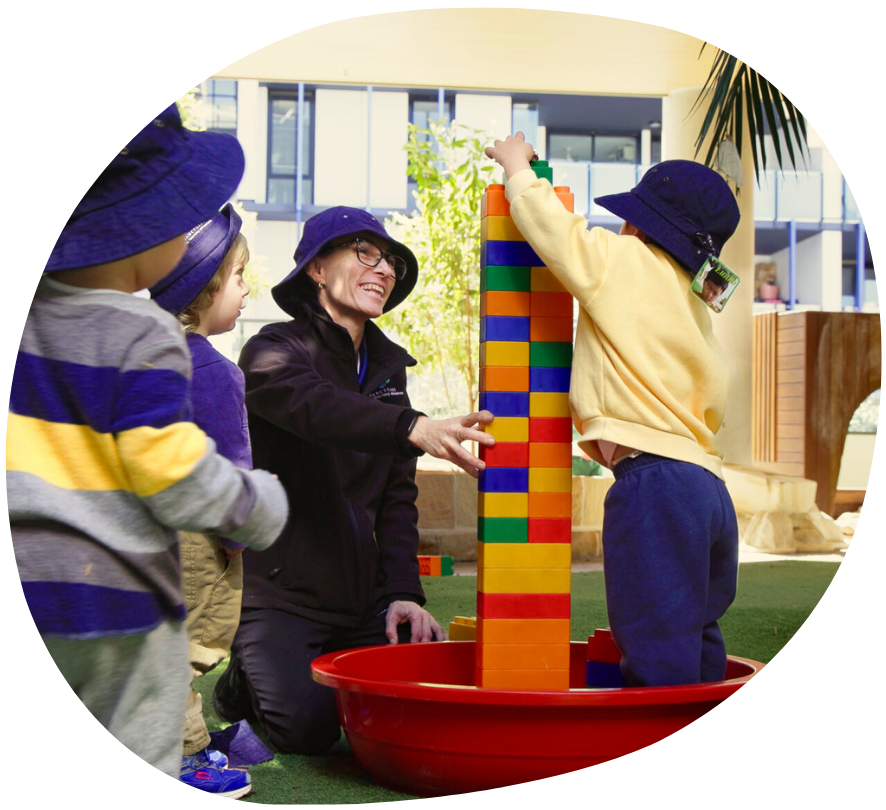
We want our centres to be places where families feel welcome, where children are known as individuals and where educators take the time to build genuine connections.
That starts with understanding that every child arrives with their own story.
Their family, culture, interests, abilities, experiences and relationships are all important parts of who they are.
Our role isn't to replace those connections. It's to honour them, learn from them and build upon them.
Getting to know the whole child
Understanding a child means getting to know the people, experiences and interests that matter to them.
When families share what is happening at home, educators can use that knowledge to create more meaningful learning opportunities and support children through changes and transitions.
Making space for family voices
We believe families should have opportunities to contribute to their child's early learning experience.
Their insights, feedback, ideas and perspectives help shape a more responsive and inclusive environment.
Partnerships are strongest when everyone feels heard.
Creating a sense of belonging
Belonging isn't something we can simply tell a child they have. It's something they experience through their relationships and everyday interactions.
It's in the warm welcome each morning, the familiar routines, the friendships that grow over time and the educators who notice when something feels a little different.
It's also in making sure every family feels respected, included and represented within their early learning community.
Connecting with our communities
Across our Sanctuary communities in Ashmore, Southport, Maudsland, Buderim, Highfields and Redlynch, we recognise the value of looking beyond our centre gates.
By embracing opportunities for community involvement, shared experiences and local relationships, we can help children develop a deeper understanding of the places and people around them.
Because early learning isn't confined to a classroom. It happens through relationships, experiences and discoveries wherever children go.
Why do family partnerships matter for parents, too?
When we talk about the benefits of strong partnerships, it's easy to focus entirely on children.
But families benefit from having a village around them, too.
Parenting brings extraordinary moments of joy, alongside questions, changes and challenges that can feel very different from one stage to the next.
Having people who know your child and understand your family can make a meaningful difference.
It might be an educator who helps make a difficult morning transition easier. A conversation that offers a fresh perspective. Another parent who understands exactly what you're experiencing. Or simply knowing that there are people genuinely invested in your child's wellbeing.
For working families, these relationships can be particularly valuable as they navigate the many responsibilities of family life.
A strong early learning partnership doesn't mean everyone will always have the same answers or opinions.
It means there is trust, open communication and a shared commitment to working through things together.
And sometimes, knowing you're not navigating every moment alone is one of the most valuable parts of having a village.
How can families strengthen their own village?
Building meaningful connections doesn't have to involve grand gestures or a calendar full of activities.
Often, it starts with small moments of openness and connection.
- Share your child's world. Tell educators about family traditions, favourite activities, new interests or changes happening at home.
- Make time for conversations. A quick chat at drop-off or pick-up can help strengthen the relationship between home and the centre.
- Connect with other families. Community events, playgroups and everyday conversations can create opportunities for friendships and shared experiences.
- Celebrate the people in your child's life. Help children recognise the different people who care for them and contribute to their world.
- Stay curious and involved. Ask questions, share ideas and take an interest in the experiences your child is having throughout their day.
Most importantly, remember that building a village takes time.
Relationships grow through familiarity, shared experiences and the confidence that comes from knowing you can rely on one another.
Every child deserves a village that knows them
The early years are filled with firsts.
First friendships. First discoveries. First moments of independence. The little achievements that might go unnoticed by the rest of the world but mean everything to the people who love that child. And behind so many of those moments is a village of people offering encouragement, guidance and care.
At Sanctuary Early Learning Adventure, we feel privileged to be part of that village. Not just as educators supporting children's learning, but as people who build relationships with families, celebrate their children's achievements and walk alongside them through these important early years.
Because while every child's adventure is their own, they should never have to experience it alone.
It takes a village. And we're proud to be part of yours.
Why are family partnerships important in early childhood education?
Family partnerships help educators understand each child's needs, interests, experiences and background. When families and educators communicate openly and work together, they can provide more consistent and responsive support for children's learning, development and wellbeing.
How does community involvement benefit young children?
Community involvement helps children develop a sense of belonging and connection to the world around them. Through relationships and shared experiences, children can learn about different people, cultures, perspectives and ways of contributing to their community.
What does a strong parent-educator partnership look like?
A strong partnership involves mutual respect, trust, open communication and shared decision-making. Families feel comfortable sharing information and asking questions, while educators listen, provide meaningful updates and work collaboratively to support each child.
How can parents be involved in their child's childcare experience?
Parents can participate by sharing their child's interests and experiences, communicating with educators, offering feedback, contributing family traditions or cultural knowledge and engaging with centre activities where possible. Even small everyday conversations can make a difference.
What if our family doesn't have a large support network?
Every family's circumstances are different. Early learning centres, playgroups, local community organisations and connections with other families can provide opportunities to build relationships over time. A supportive village doesn't need to be large to be meaningful.
How does Sanctuary Early Learning Adventure support family connections?
Sanctuary prioritises genuine relationships between educators, children and families. Through everyday communication, inclusive practices, family involvement and community connections, we aim to create environments where children and families feel known, valued and supported.
Recent Articles From Sanctuary