More than childcare: What a family-centred approach to early learning looks like
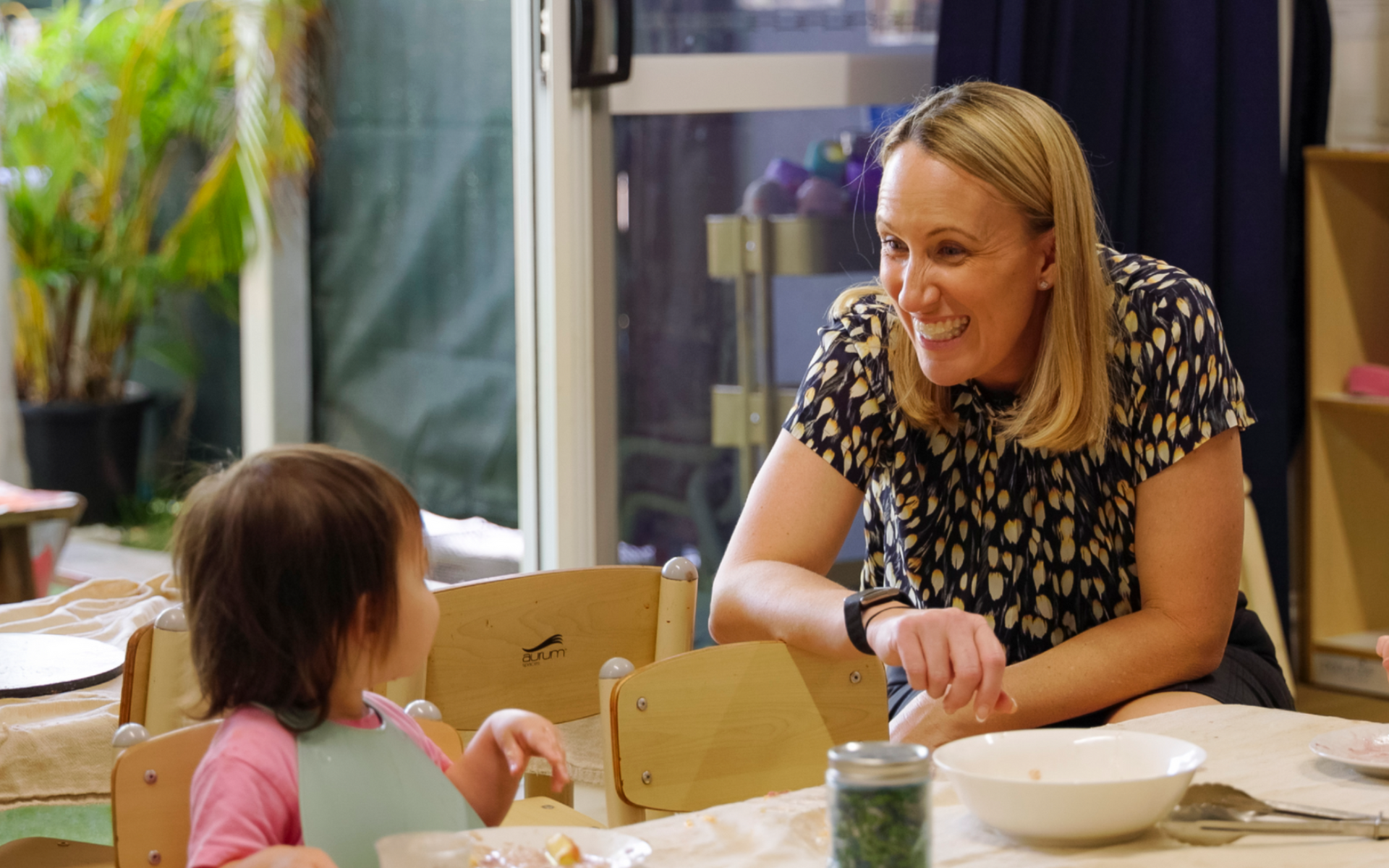
Choosing an early learning centre is often described as choosing care for your child.
But for families, it is much bigger than that.
You are choosing the people who will get to know your child, celebrate their milestones, understand the things that make them feel safe and comfortable, and become part of your family’s everyday life.
A family-centred approach to early learning recognises that children thrive when families and educators work together. It means listening to families, valuing what they know about their child and building relationships where information, ideas and decisions can be shared.
At Sanctuary Early Learning Adventure, we believe early learning should feel less like a service your family uses and more like a community your family belongs to.
What does a family-centred approach to early learning mean?
Family-centred early learning places the relationship between children, families and educators at the heart of the early learning experience. Rather than seeing a child’s time at an early learning centre as separate from life at home, educators recognise that the two are deeply connected. Families bring an incredible amount of knowledge with them. They know the way their child likes to be comforted. The interests that light them up. The words they use at home. Their routines, culture, personality, relationships and the experiences that have shaped them.
Educators bring their own professional knowledge of early childhood development, learning and relationships.
When those two perspectives come together, they create a much richer understanding of the child.
This idea is also reflected in Australia’s Early Years Learning Framework, which recognises partnerships with families as an important part of supporting children’s learning, development and wellbeing. But family partnership shouldn't exist only in a framework or philosophy document.
Families should be able to feel it.
Why do family partnerships matter in early childhood education?
For a young child, home and their early learning centre are two significant parts of the same world. Creating a strong connection between them can help children develop a sense of security, identity and belonging.
When educators know what is happening in a child’s world, they can better understand and respond to them. Perhaps there has been a new baby at home.
Maybe a child has suddenly become fascinated by dinosaurs after a weekend at the museum. They might be learning words in more than one language, preparing for a move, experiencing a change in routine or proudly mastering something completely new.
These pieces of information can seem small, but they help educators see the whole child. And when families feel comfortable sharing them, learning can become much more personal and meaningful.
What does family-centred early learning actually look like?
It isn't necessarily one big initiative, often, it can be seen in the everyday moments.
It is an educator remembering something you mentioned at drop-off and checking in later.
It is knowing who is important in your child's life.
It is understanding your family's routines, culture and preferences rather than expecting every family to fit the same mould.
It is sharing more than what your child ate or how long they slept, and instead talking about what made them laugh, what captured their curiosity or what they were determined to master that day.
It is families feeling comfortable enough to ask questions, offer ideas and share what is happening at home.
Most importantly, it is knowing that the people caring for your child genuinely know them.
It starts with really knowing your child
No two children arrive at early learning in exactly the same way.
Some will run through the door without looking back. Others need time, familiarity and the reassurance of knowing exactly what will happen next. Some children find their confidence in a busy group of friends. Others prefer to observe before joining in.
A family-centred approach doesn't ask children to become the same. It gives educators the opportunity to understand who each child already is. That knowledge begins with listening to families and grows as educators build their own relationship with the child. This is particularly important when a child is settling into childcare, when familiarity, consistency and strong relationships can make a meaningful difference.
Over time, educators learn the tiny details that matter: what makes a child laugh, when they need some quiet, the friendships they gravitate towards, the questions they keep asking and the interests they return to again and again.
Those details help create an environment where children can feel known, safe and confident enough to explore.
Families have a voice in their child's learning
Families are their child's first and continuing teachers; their knowledge, values, culture and hopes for their child matter.
Genuine family partnership means creating opportunities for families to contribute to conversations about their child's learning and wellbeing rather than simply receiving information about what has already happened. That could mean sharing an interest emerging at home, discussing a developmental milestone, contributing cultural knowledge or traditions, or working alongside educators through a change or transition. It also means recognising that every family's level of involvement may look different.
Family partnership isn't measured by how many events someone attends.
For a busy family, it might simply be a meaningful conversation at the end of the day.
What matters is that families know their perspective is welcomed and valued.
The little conversations matter
Some of the most valuable communication in early learning doesn't happen in a formal meeting, it happens at the door.
“How did she sleep last night?”
“He hasn't stopped talking about the garden since yesterday.”
“She's been trying to put her own shoes on all weekend.”
“He seems a little quieter than usual this morning.”
These small exchanges help connect a child's two worlds. Digital updates and learning documentation can give families a window into their child's day, but they shouldn't replace human connection. Sometimes a two-minute conversation tells you far more.
A sense of belonging extends beyond the child
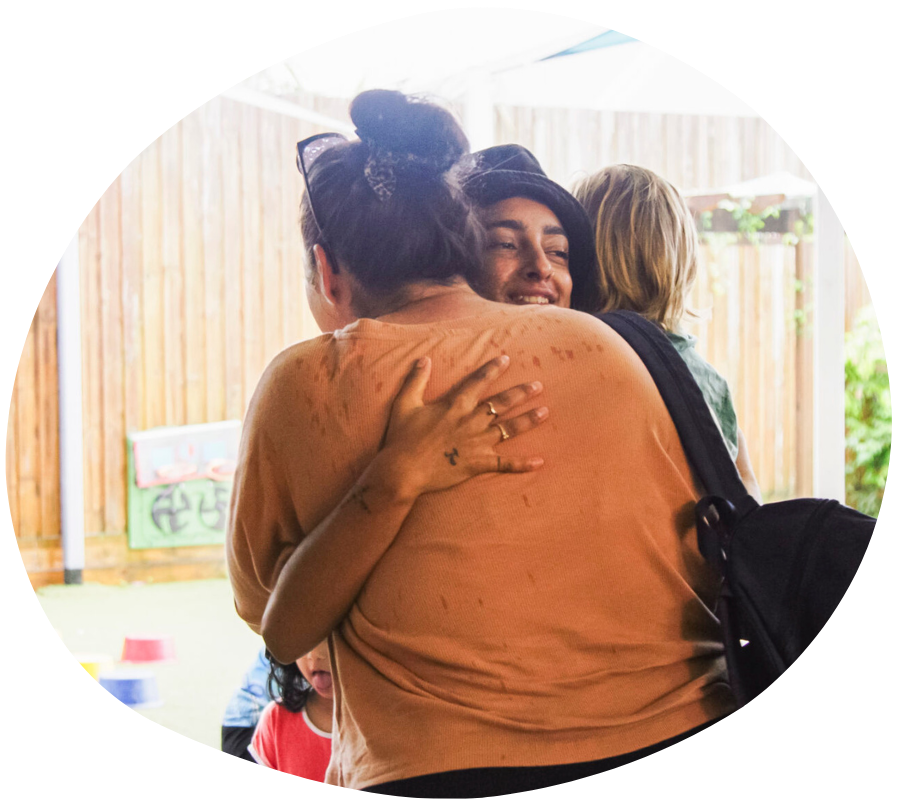
When we talk about belonging in early childhood education, our attention naturally goes to children. But families need to feel it too.
An early learning community is made up of children, parents and carers, educators, siblings, extended family members and the wider community surrounding them. When those relationships are strong, walking into a centre can begin to feel familiar. People know your name. Your child has relationships with educators beyond their own room. Families begin recognising one another. There is a sense that you are part of something rather than simply arriving and leaving each day.
For us, this is an important part of what it means for early learning to feel like home.
What should families look for when choosing an early learning centre?
When you visit an early learning centre, beautiful environments and educational programs matter. But pay attention to the relationships happening around you too.
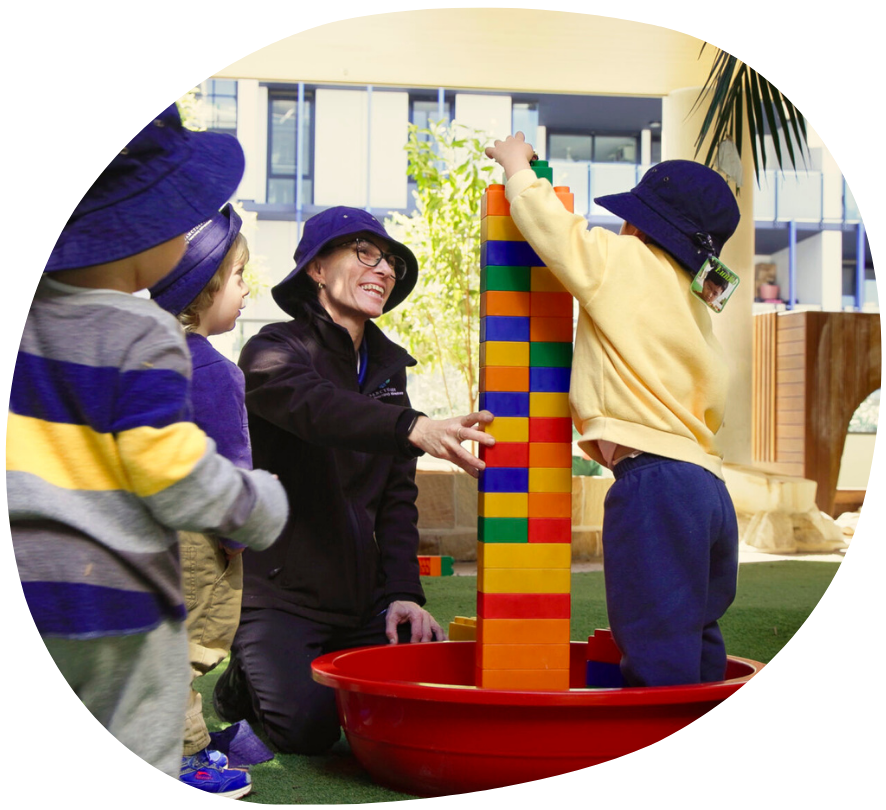
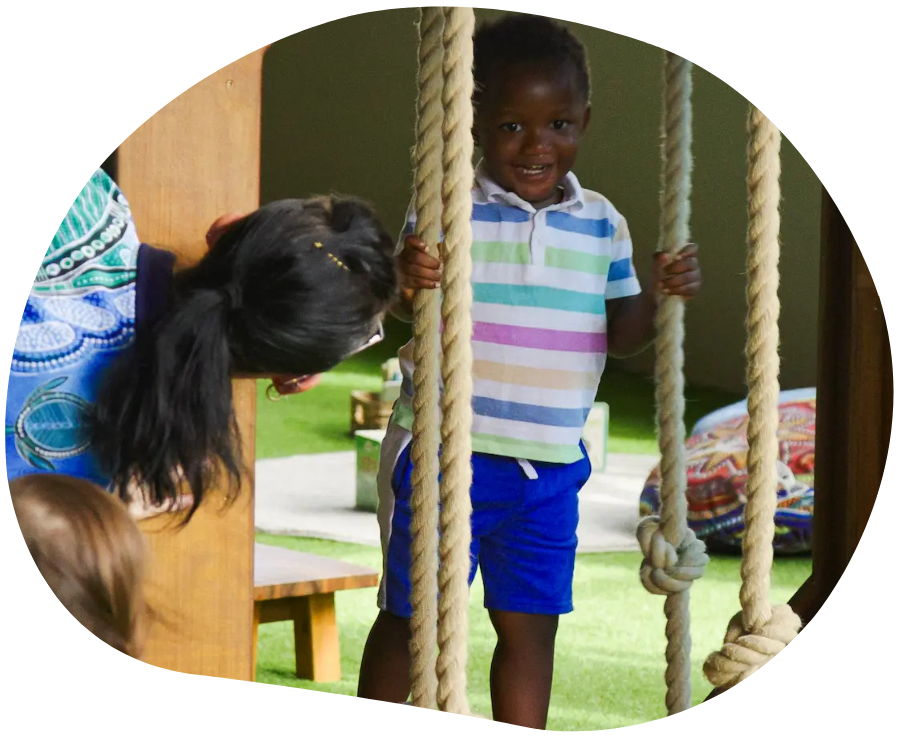
Notice how educators speak with children. Do they get down to their level? Do they listen? Do interactions feel warm and unhurried?
Think about how the team speaks with you. Are they curious about your child? Do they ask about their interests, personality, routines and family life? Is there space for you to ask questions and share what matters to your family?
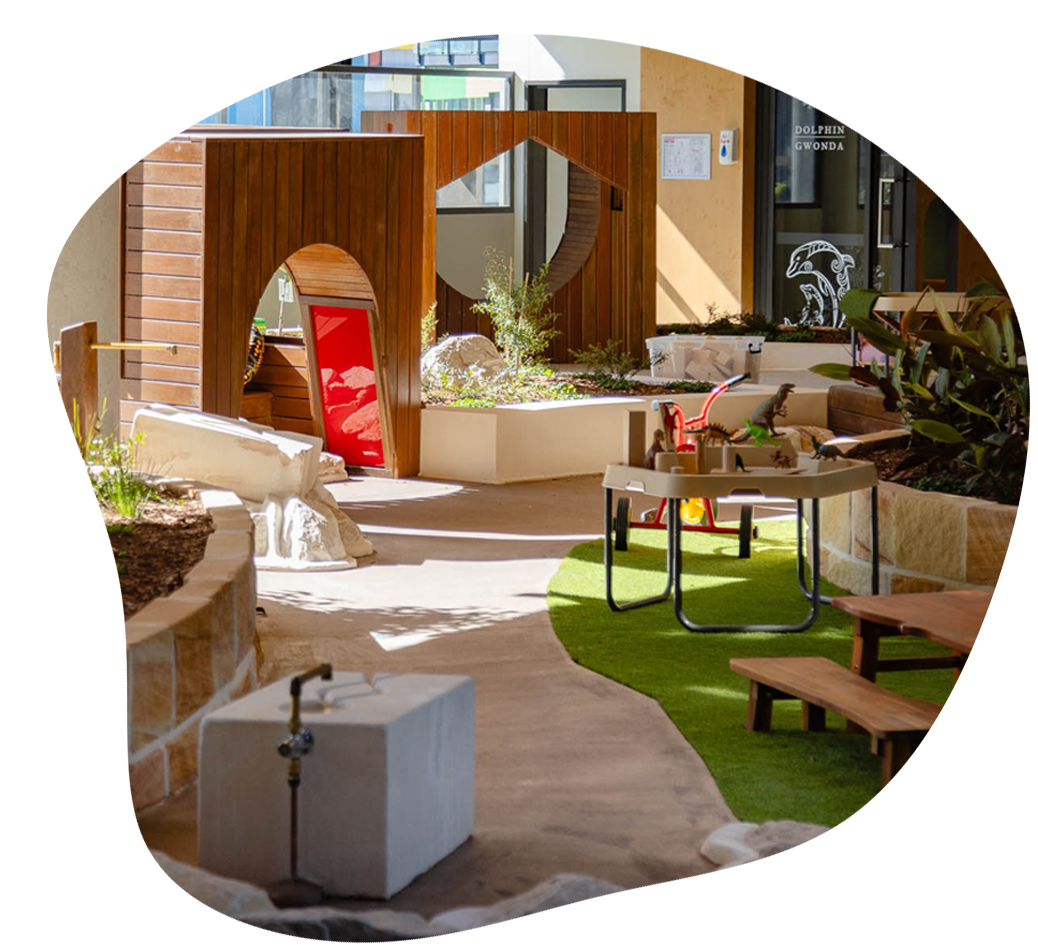
And look at the wider environment. Can you see evidence of the children and families who belong there? Do the spaces feel lived in and personal, rather than simply designed to look impressive?
While no checklist can replace that feeling, knowing what to look for when touring a childcare centre can help families ask the right questions and notice the things that matter.
More than childcare
Families trust early childhood educators with something incredibly important. Not simply the care of their child for a certain number of hours each week, but a place in their child's early years.
At Sanctuary Early Learning Adventure, we want that relationship to be built on trust, communication and a genuine understanding of each child and family.
From the first days of early learning through to Kindergarten and the transition to Prep, families should never feel like spectators in their child's experience.
They should feel part of it.
Because early learning is at its strongest when children, families and educators are growing together. And that is when childcare becomes something much more.
FAQs
What is a family-centred approach in early childhood education?
A family-centred approach recognises families as important partners in their child's learning and development. Educators listen to families, respect their knowledge, culture and values, and work collaboratively with them to support their child.
Why are family partnerships important in childcare?
Strong partnerships help educators better understand each child's routines, interests, experiences and individual needs. They can also create greater continuity between home and the early learning environment.
How can parents be involved in their child's early learning?
Family involvement can take many forms, from everyday conversations with educators and sharing interests from home to contributing ideas, cultural knowledge or feedback. It doesn't require families to be physically present at the centre throughout the day.
What should I ask an early learning centre about family partnerships?
Ask how educators get to know new children and families, how information is shared, how families can contribute to their child's learning and how the centre supports children through transitions or changes.
How do educators get to know each child?
How do educators get to know each child?
Educators build relationships through observation, conversation, play and everyday routines. Information shared by families also helps educators understand a child's interests, preferences, relationships, culture and experiences.
What is the role of families in the Early Years Learning Framework?
The Early Years Learning Framework recognises partnerships as an important principle of early childhood education. Families bring valuable knowledge about their children, and collaborative relationships can support children's learning, development and wellbeing.
How can I tell if my child feels a sense of belonging at childcare?
Every child expresses belonging differently, but signs can include developing trusting relationships with educators, confidently exploring the environment, forming friendships, expressing their ideas and recognising the centre as a familiar part of their world.
Every Sanctuary community is shaped by its children, families, educators and local area. Discover your local Sanctuary Early Learning Adventure and meet the people who could become part of your family’s early learning journey.
Ashmore | Buderim | Health and Knowledge Precinct, Southport | Highfields | Maudsland | Redlynch
Recent Articles From Sanctuary