
Big feelings, little people: Helping your child build emotional regulation
Tears over the wrong coloured cup. A meltdown at the supermarket. Complete frustration because the banana broke in half.
For families with young children, these moments can feel wonderfully, exhaustingly familiar.
Big feelings are a normal part of early childhood. Young children do not need us to stop them from feeling. They need calm, loving support to understand what they are feeling and learn what to do with those emotions.
This process begins with emotional co-regulation and gradually supports children to develop emotional self-regulation, an important skill for wellbeing, relationships and learning.
Why do young children have such big feelings?
Young children are still developing the skills they need to manage strong emotions.
When a toddler feels frustrated, disappointed, tired or overwhelmed, their feelings can quickly become bigger than their ability to manage them. They may cry, yell, withdraw or become physically upset.
This does not necessarily mean they are trying to be difficult.
They are still learning how to recognise emotions, communicate what they need and return to a calmer state.
That is why the presence of a calm and trusted adult matters so much.
What is emotional co-regulation?
Emotional co-regulation happens when an adult helps a child feel safe and supported while they are experiencing a strong emotion.
Instead of expecting a young child to calm down alone, we stay close and help them through the feeling.
This might include:
- speaking in a calm and reassuring voice
- naming what the child may be feeling
- offering comfort and connection
- giving the child time to settle
- helping them use a simple calming strategy
- talking about what happened once they are calm.
In simple terms, children often learn how to regulate emotions by experiencing calm with someone else first.
Over time, these repeated experiences can help children begin to recognise and manage their own emotions more independently.
How does emotional regulation develop in early childhood?
Emotional regulation develops gradually.
There is no single moment when a child suddenly knows how to manage frustration, disappointment or anger. Children build these skills through everyday experiences, supportive relationships and plenty of repetition.
A child may handle a difficult moment calmly one day and become completely overwhelmed by something similar the next.
That is normal.
Factors such as tiredness, hunger, change, illness, sensory overload or a busy day can all affect how easily a young child manages their feelings.
Our role as adults is to keep providing a safe and predictable response.
How do Sanctuary educators support emotional regulation?
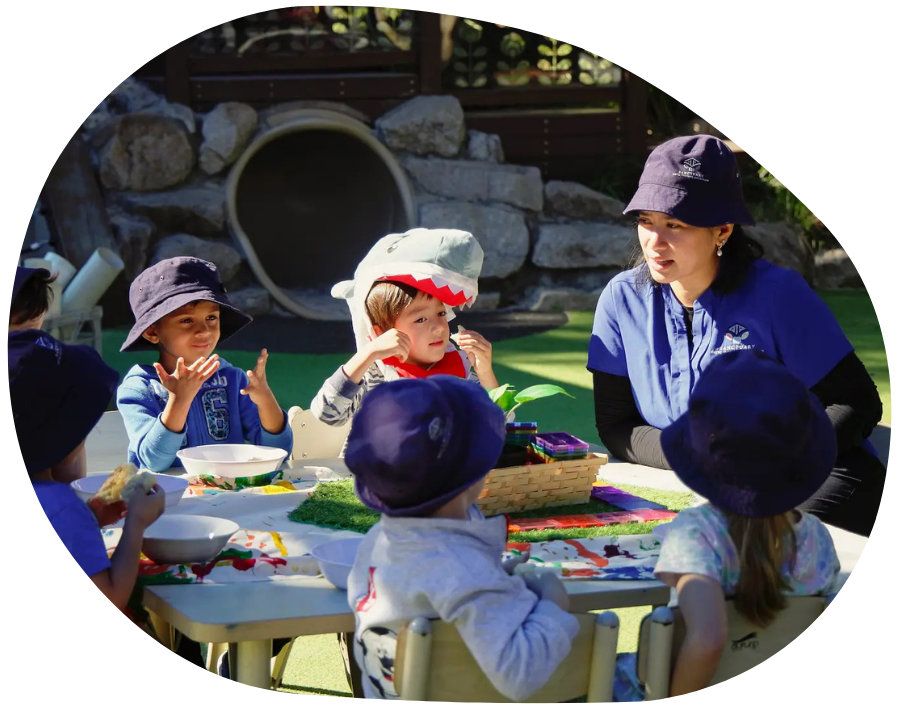
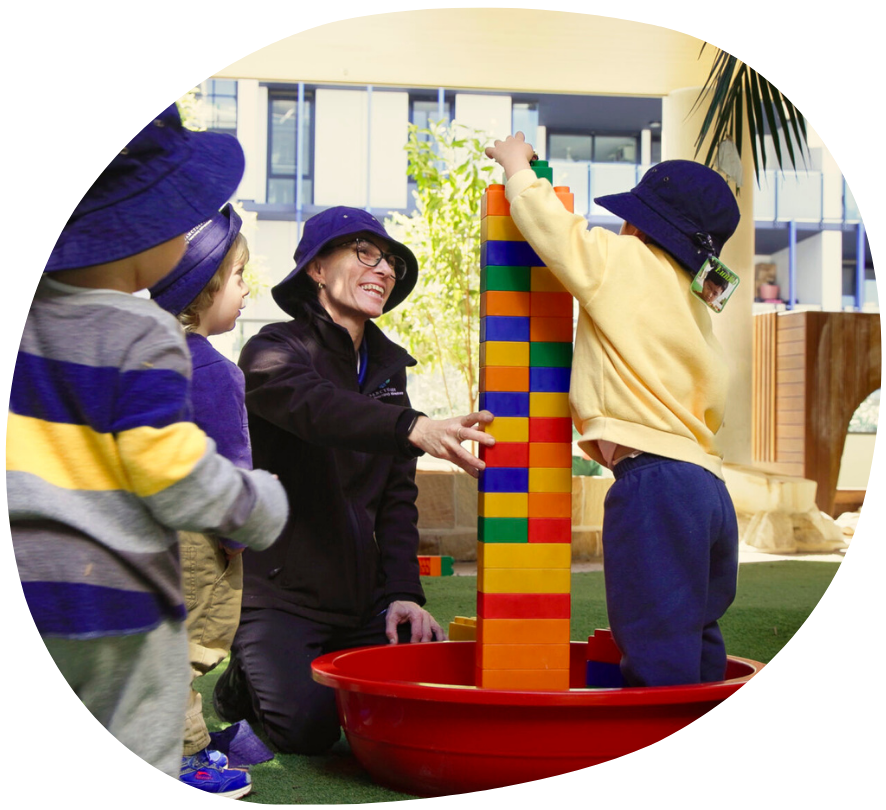
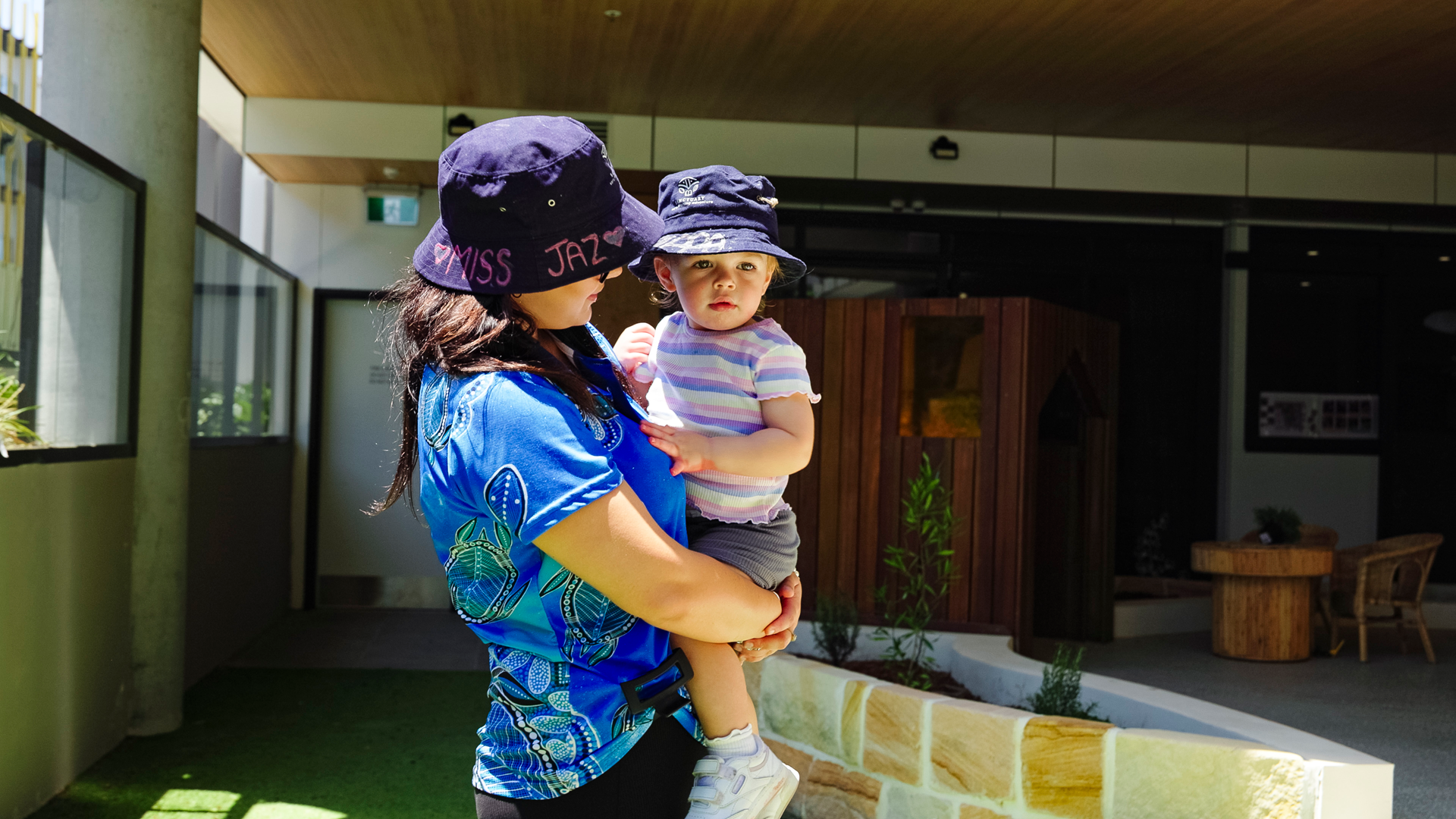
At Sanctuary Early Learning Adventure, relationships and connection are an important part of how we support children’s wellbeing.
Our educators help children understand and manage emotions through everyday interactions, play and routines.
Depending on each child and situation, this may include:
- staying calm and reassuring when a child feels overwhelmed
- helping children find words for their emotions
- acknowledging feelings without judgement
- offering comfort and connection
- introducing simple calming strategies such as slow breathing
- creating predictable routines that help children feel secure
- giving children space and time when they need it
- talking through experiences once children are ready.
These everyday moments can help children develop confidence, emotional awareness and a growing sense of wellbeing.
They also support the broader goals of the Early Years Learning Framework, including helping children develop a strong sense of identity and wellbeing.
How can families support emotional regulation at home?
You are one of your child’s most important emotional guides.
You do not need a complicated strategy. Small, consistent responses can make a meaningful difference.
Name the feeling
Try putting simple words around what your child may be experiencing.
You might say:
“I can see you’re really frustrated.”
“You’re disappointed because we have to leave.”
“You really wanted the blue cup.”
Naming an emotion can help children begin connecting their physical experience with language.
Stay calm where you can
Children often take cues from the adults around them.
A calm voice, gentle body language and reassuring presence can help communicate safety.
You will not always feel perfectly calm yourself, and that is understandable. What matters is trying to create enough calm for both of you to move through the moment.
Connect before you teach
When a child is deeply upset, it may not be the best time for a long explanation or lesson.
Comfort and connection can come first.
Once your child is settled, you can talk about what happened and what they might try next time.
Avoid dismissing the feeling
Phrases such as “you’re fine” or “stop crying” can unintentionally tell children that their emotional experience is not important.
Instead, acknowledge the feeling while still holding appropriate boundaries.
For example:
“I know you’re upset that we can’t have another biscuit. It’s okay to feel disappointed.”
Talk about feelings during calm moments
Books, play and everyday conversations are wonderful opportunities to build emotional language.
You might ask:
“How do you think that character feels?”
“What helped them feel better?”
“What makes you feel calm?”
These conversations can be much easier when your child is already relaxed.
Notice their effort
When your child manages a difficult moment, acknowledge the process rather than expecting perfection.
You might say:
“You were really frustrated, and you took a big breath.”
“You asked me for help when you were upset.”
This helps children recognise the skills they are beginning to build.
What can you do during a meltdown?
When emotions are already very big, keep things simple.
You can try to:
- stay nearby
- speak softly
- reduce extra noise or stimulation where possible
- acknowledge the feeling
- offer comfort if your child wants it
- hold calm, clear boundaries
- wait before trying to explain or solve the problem.
Every child is different. Some children want a cuddle. Others may need some physical space while still knowing you are close.
The goal is not to stop the emotion immediately.
The goal is to help your child feel safe enough to move through it.
Why does emotional regulation matter?
Learning to understand and manage emotions can support many areas of a child’s development.
Over time, emotional regulation can contribute to:
- stronger relationships
- confidence in social situations
- greater resilience
- problem-solving skills
- participation in learning
- communication skills
- a growing sense of wellbeing.
Like many early childhood skills, emotional regulation develops over years rather than days.
Progress is rarely a straight line.
There will be calm days, challenging days and plenty of moments somewhere in between.
Every time a trusted adult responds to a child’s big feelings with patience, connection and reassurance, there is another opportunity for learning.
Big feelings are part of growing up
The next time the banana breaks and your child feels as though the world has ended, remember that the feeling is real for them, even when the problem seems small to us.
Stay close. Name the feeling. Offer calm.
You and your child are working through an important part of early development together.
At Sanctuary Early Learning Adventure, we believe children thrive when they feel safe, connected, valued and supported.
Our educators work in partnership with families to create warm, home-like environments where children can develop confidence, curiosity and a strong sense of wellbeing.
Interested in learning more about how we support children’s emotional wellbeing? Explore your local Sanctuary centre or book a tour with our team.
Ashmore: Learn how our Sanctuary Ashmore educators create nurturing relationships and predictable routines that support children’s emotional wellbeing.
Buderim: Discover how Sanctuary Buderim supports children to feel safe, connected and confident as they learn to understand their emotions.
Southport, Health and Knowledge Precinct: Explore how our Sanctuary Health and Knowledge Precinct team supports emotional wellbeing through warm relationships, responsive care and everyday learning.
Highfields: Learn how Highfields Child Care Centre creates a welcoming environment where children can build confidence, connection and emotional awareness.
Maudsland: Discover how Sanctuary Maudsland supports children through big feelings with connection, calm guidance and a strong sense of belonging.
Redlynch: Explore how
Sanctuary Redlynch helps children develop confidence and emotional awareness within a nurturing, community-minded environment.
What is emotional regulation in early childhood?
Emotional regulation is a child’s developing ability to recognise, express and manage emotions such as frustration, excitement, sadness and anger.
Young children usually need significant adult support while these skills are developing.
What is co-regulation?
Co-regulation is the support a trusted adult gives a child during an emotional moment.
This may involve staying calm, providing comfort, naming feelings and helping the child return to a settled state.
At what age do children learn emotional regulation?
Emotional regulation develops gradually throughout childhood.
Very young children rely heavily on adults for support. As children grow and have repeated experiences of being supported through emotions, they can begin using more strategies independently.
Should I ignore a toddler tantrum?
There is no one response that suits every child or situation.
In many cases, young children benefit from knowing a calm adult is nearby. You can acknowledge the feeling, maintain appropriate boundaries and give your child time to settle.
How can I help my child calm down?
Simple strategies may include staying close, using a calm voice, offering comfort, taking slow breaths together or moving to a quieter space.
Different approaches work for different children.
Why does my child manage emotions well some days and struggle on others?
Emotional regulation can be affected by tiredness, hunger, illness, changes in routine, sensory overload and many other factors.
Ups and downs are a normal part of development.
How do early learning educators support emotional development?
Educators can support emotional development by creating secure relationships, predictable routines and opportunities for children to recognise and talk about feelings.
They can also model calm responses and guide children through challenging social and emotional moments.
Recent Articles From Sanctuary