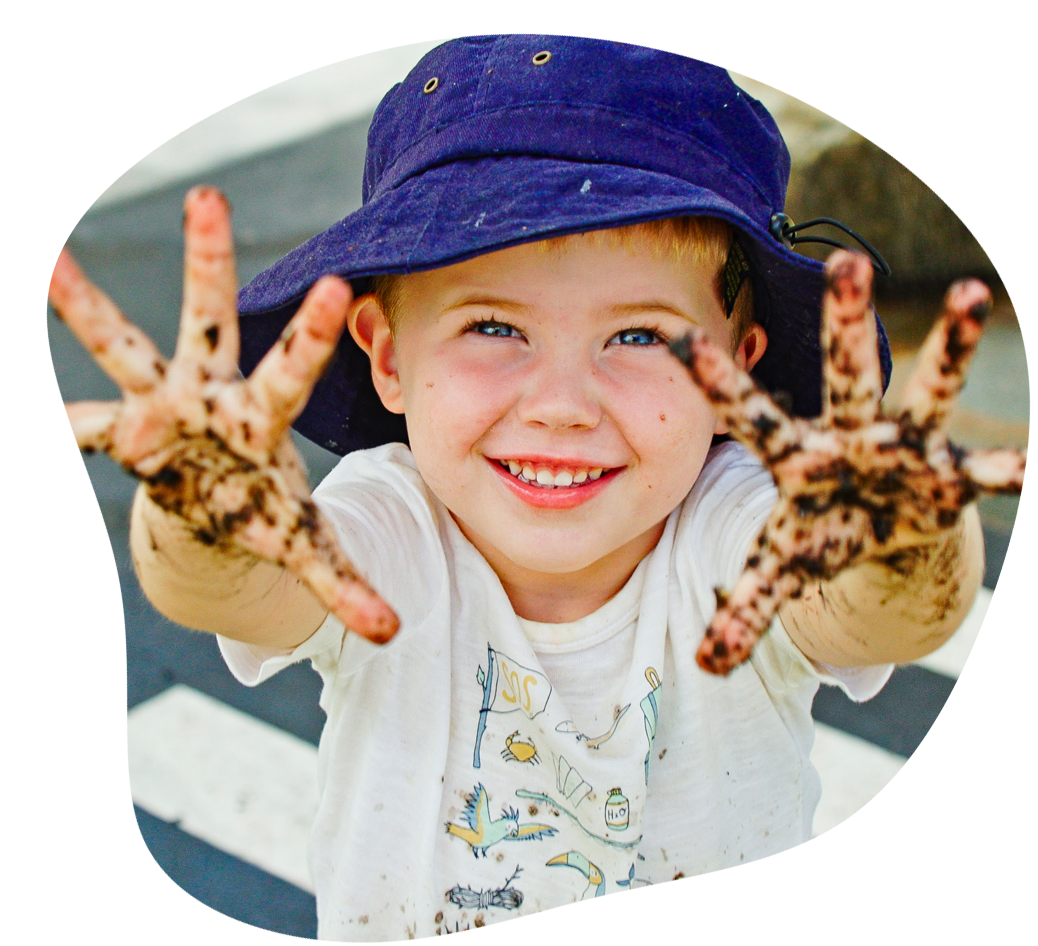
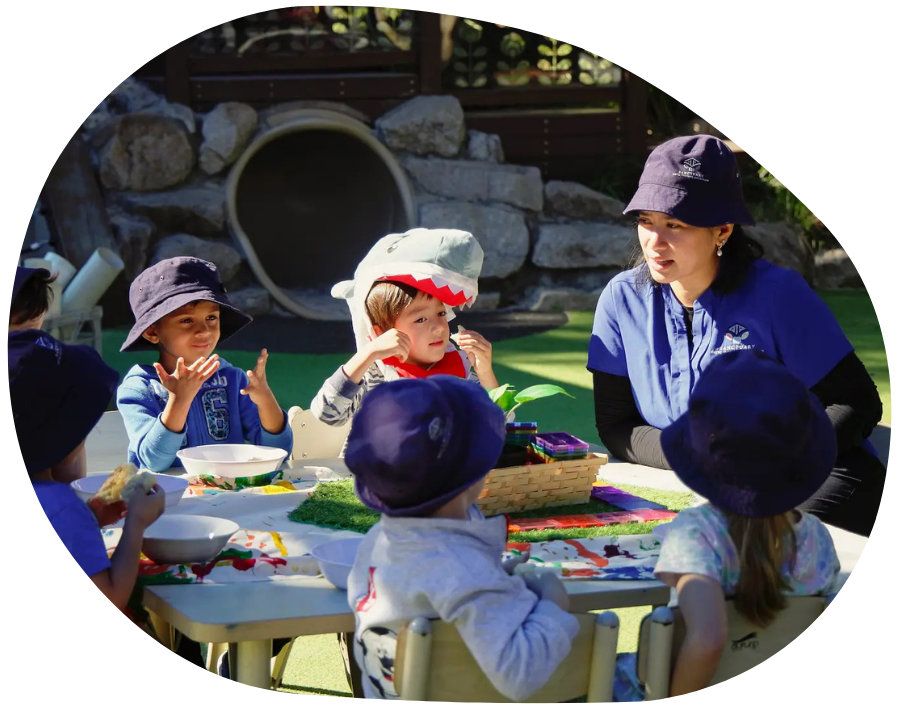
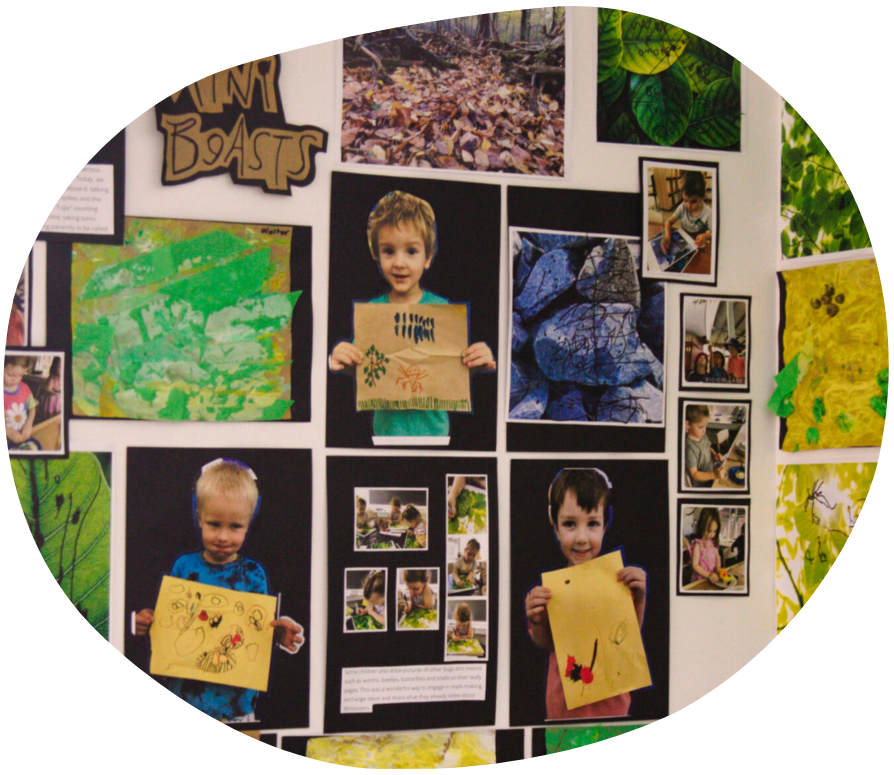
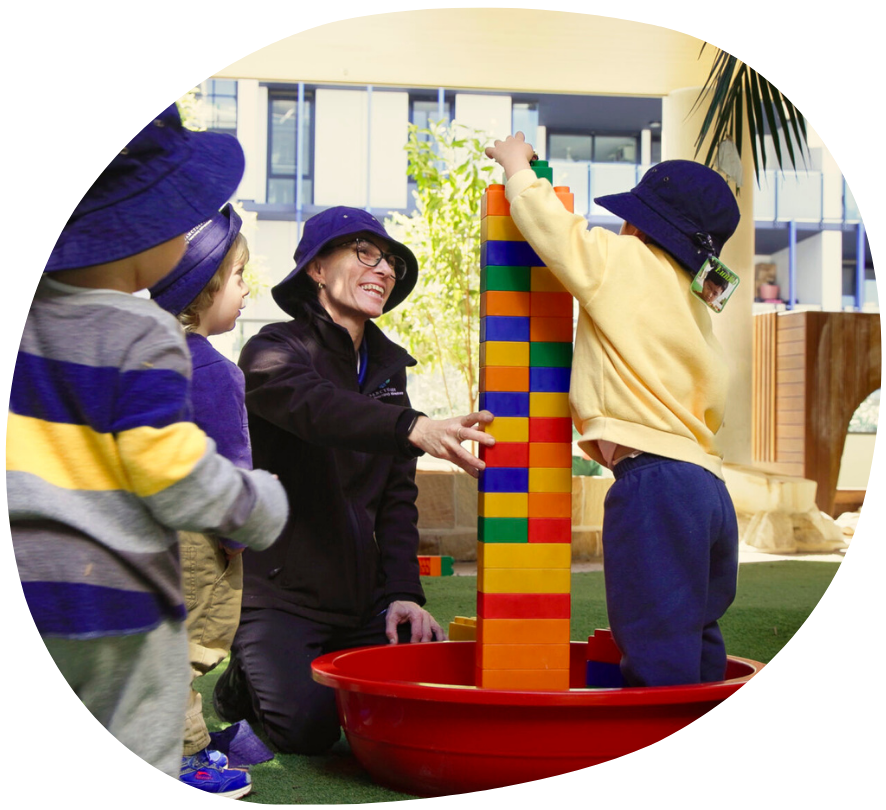
There is a particular feeling that comes from being elbow-deep in paint, plaster, and clay — colour mixing under your fingernails, the rest of the world fading out.
I found that feeling almost by accident, in my own creative practice outside of work.
It brought a sense of calm, focus and presence. For a little while, everything else seemed to quieten.
And then I thought: if creating could do this for me, what could it do for a child?
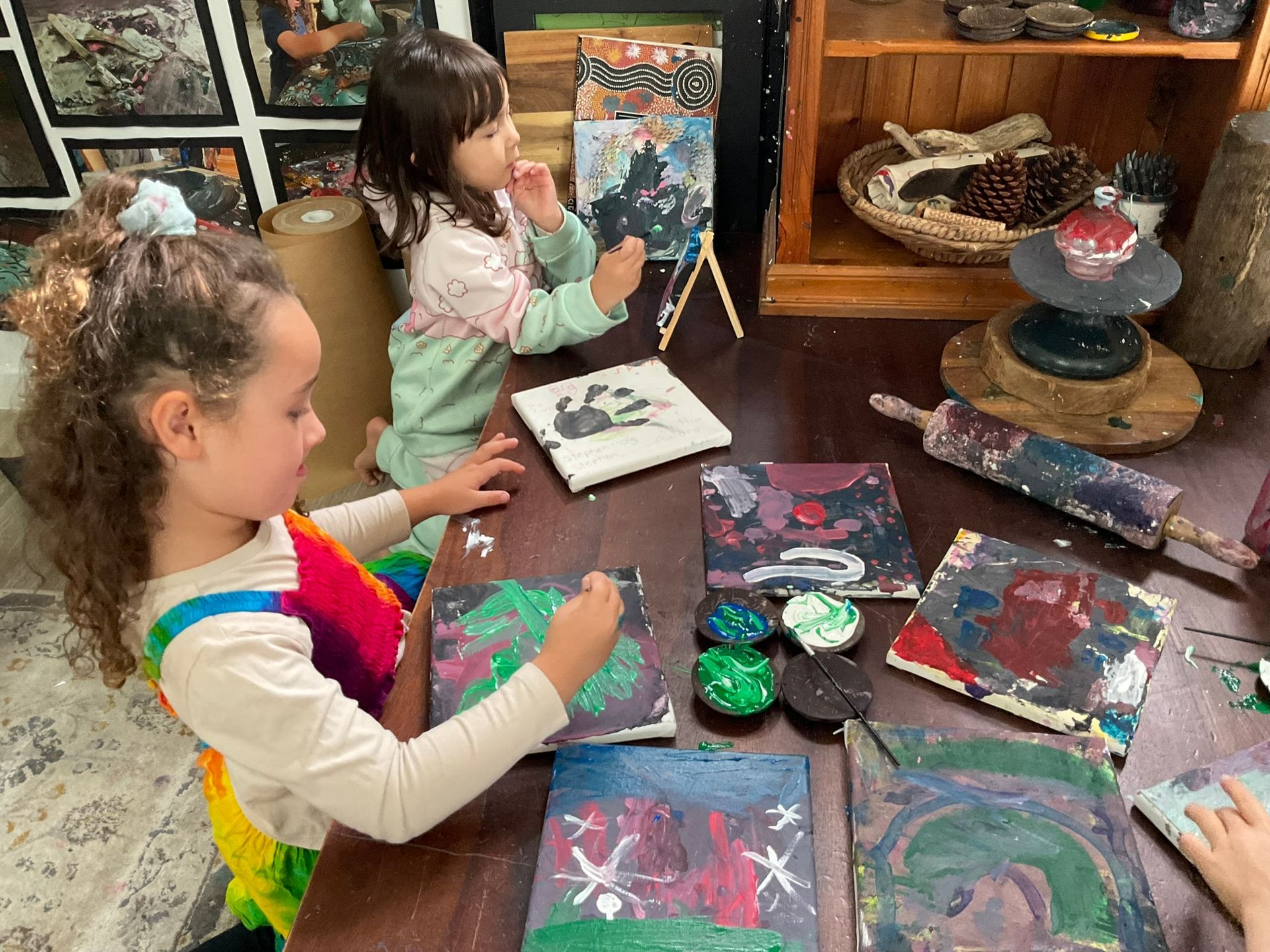
That question became an atelier — a dedicated creative space inside my kindergarten room, built not around outcomes or "products" but around process. There are no instructions here, no templates, no right way to hold a brush. There is only the invitation to be, and to create.
Built from what was already beautiful
The space itself tells its own story.
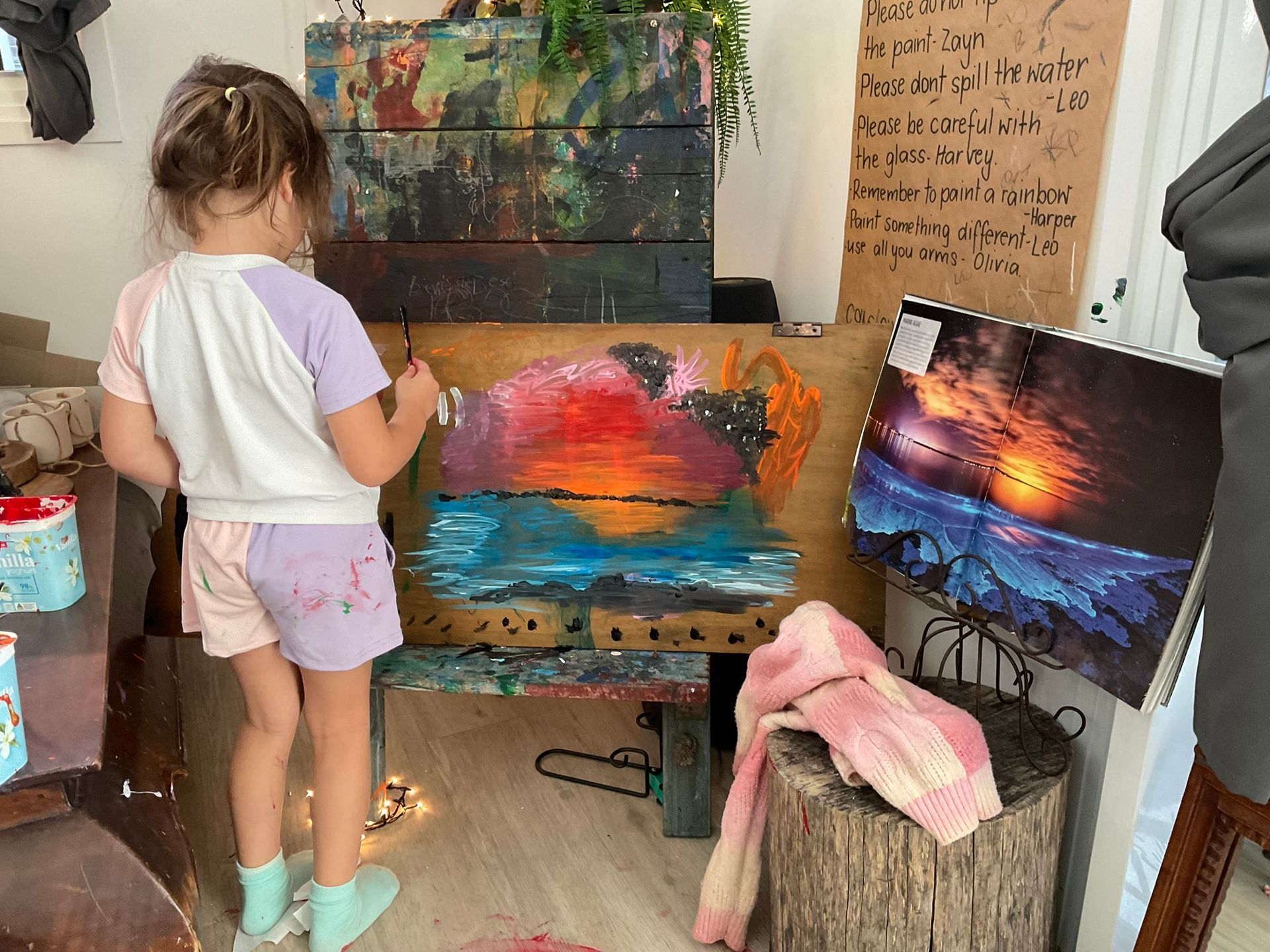
An old Balinese wooden table holds glass jars filled with paintbrushes and rollers of every size. Wooden shelves display natural materials gathered into cane baskets — bark, seed pods, stones and more — alongside chalk and charcoal for the children to discover.
A hand-built wooden easel stands beside repurposed cupboard doors, transformed into easels and canvases of their own.
Nothing here was bought to look a certain way. It was gathered, repurposed and arranged with care.
“But you can’t mix the colours”
In the first week, an argument broke out — not over who got the red paintbrush, but over a rule the children had absorbed long before they ever stepped into the room:
“You don’t mix the colours.”
The response was gentle: “Well, if we don’t mix the colours, how will we ever make a new one?”
That single question opened something up.
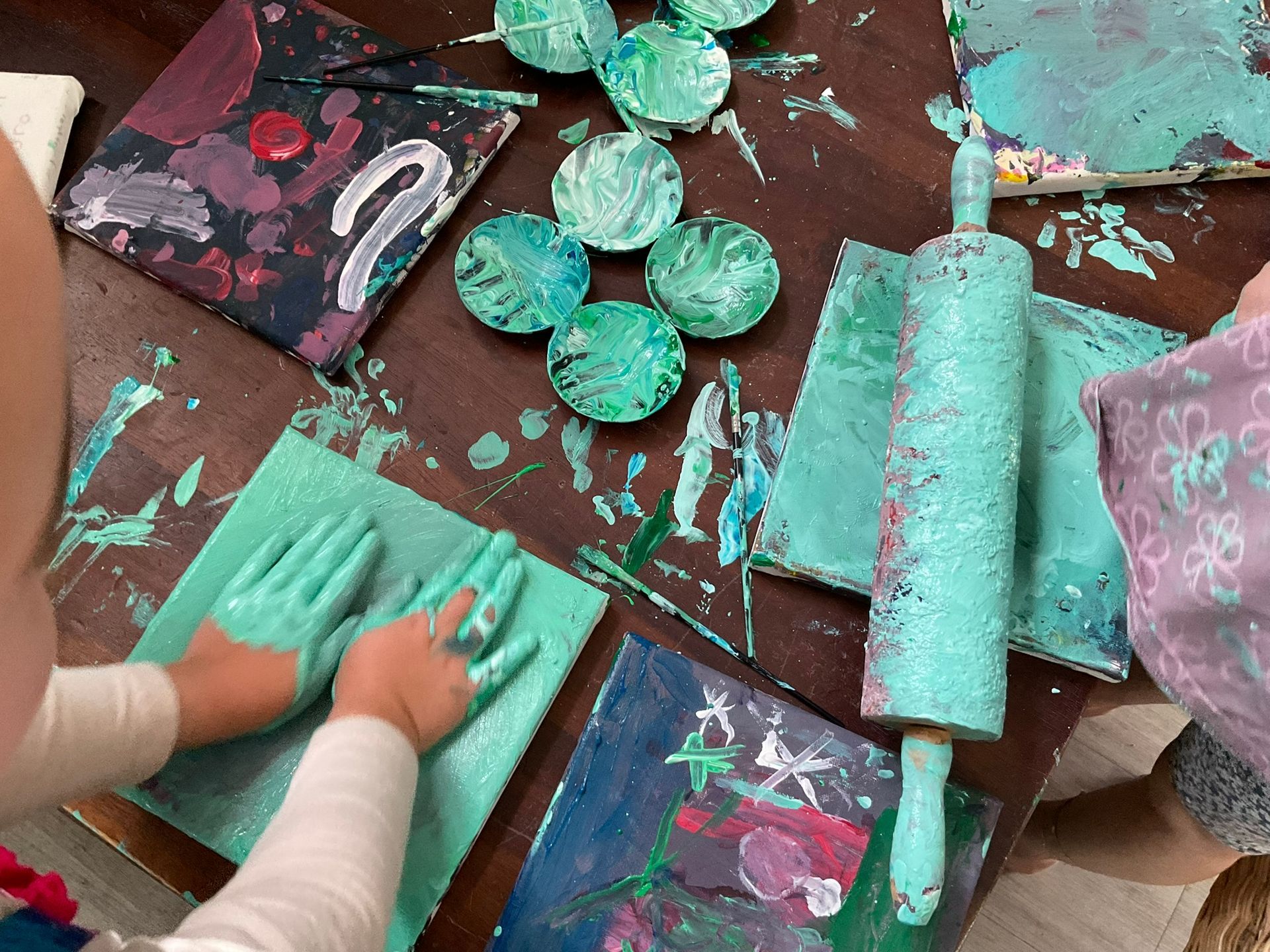
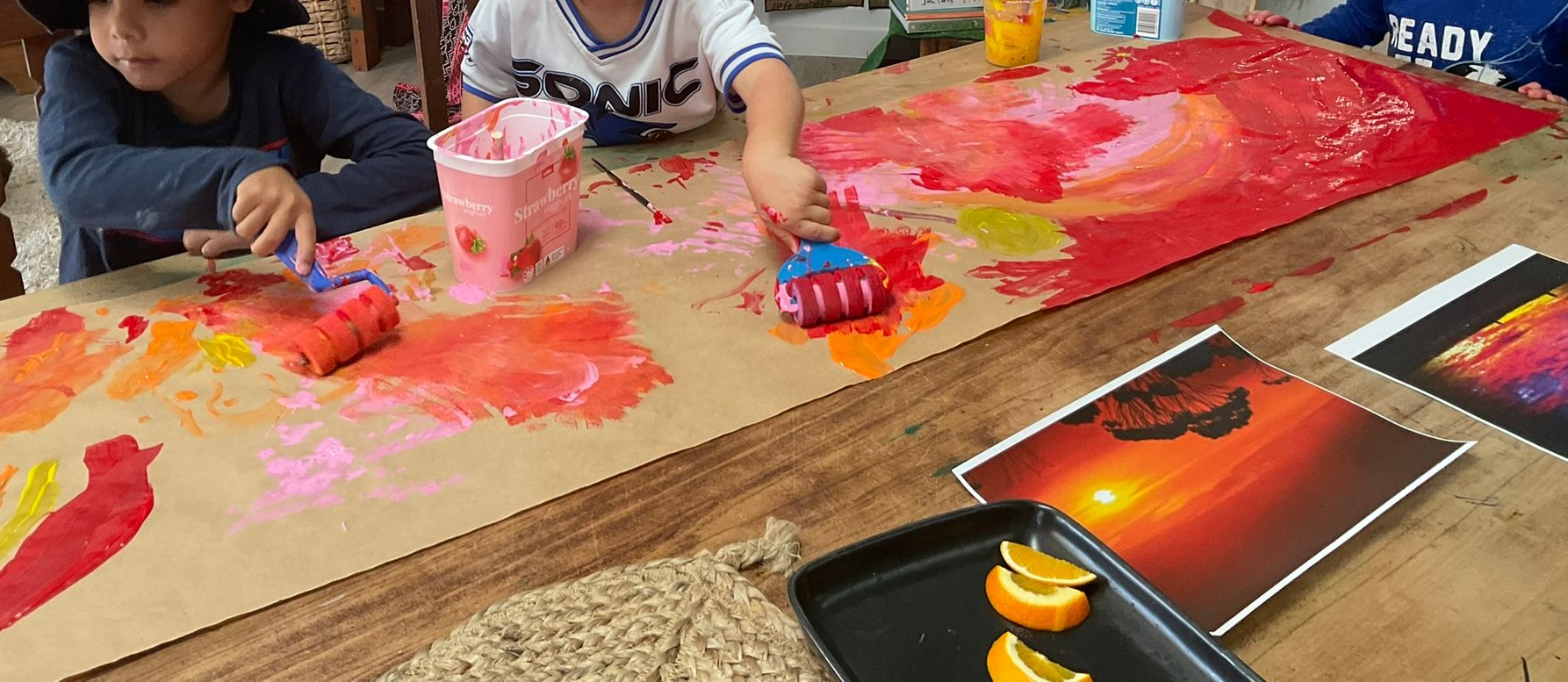
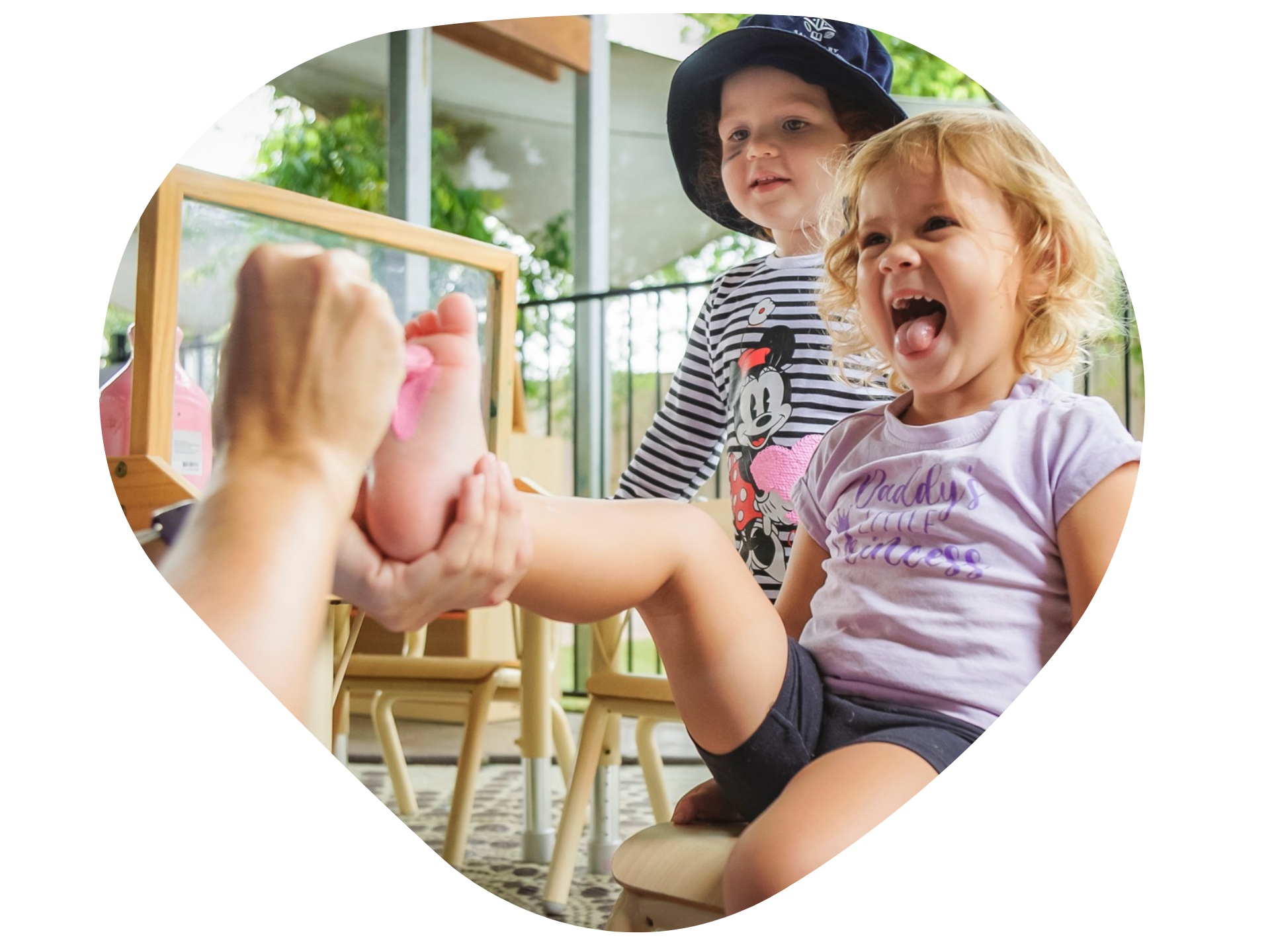
Within days, children who had never collaborated before were sharing canvases — layering plaster over paint, wiping sections clean and starting again, adding texture upon texture across days and weeks.
There were no fights over materials. There was only collaboration, quiet concentration and creativity that belonged entirely to the children.
A space for every child
What stands out most is who finds their way here.
Children who need help settling their bodies often gravitate to this space.. Something about its open-ended, low-pressure nature seems to settle them.
Children with limited English, or who aren't yet talking, need no words at all to participate fully; a roller, a handful of plaster, a jar of pigment speaks for them. Children with different fine motor abilities each find their own entry point — a fine brush, a thick roller, or simply their hands.
There is no “right” way to create here, which means there is no wrong way either. And that matters enormously for children who may feel different in other parts of their day.
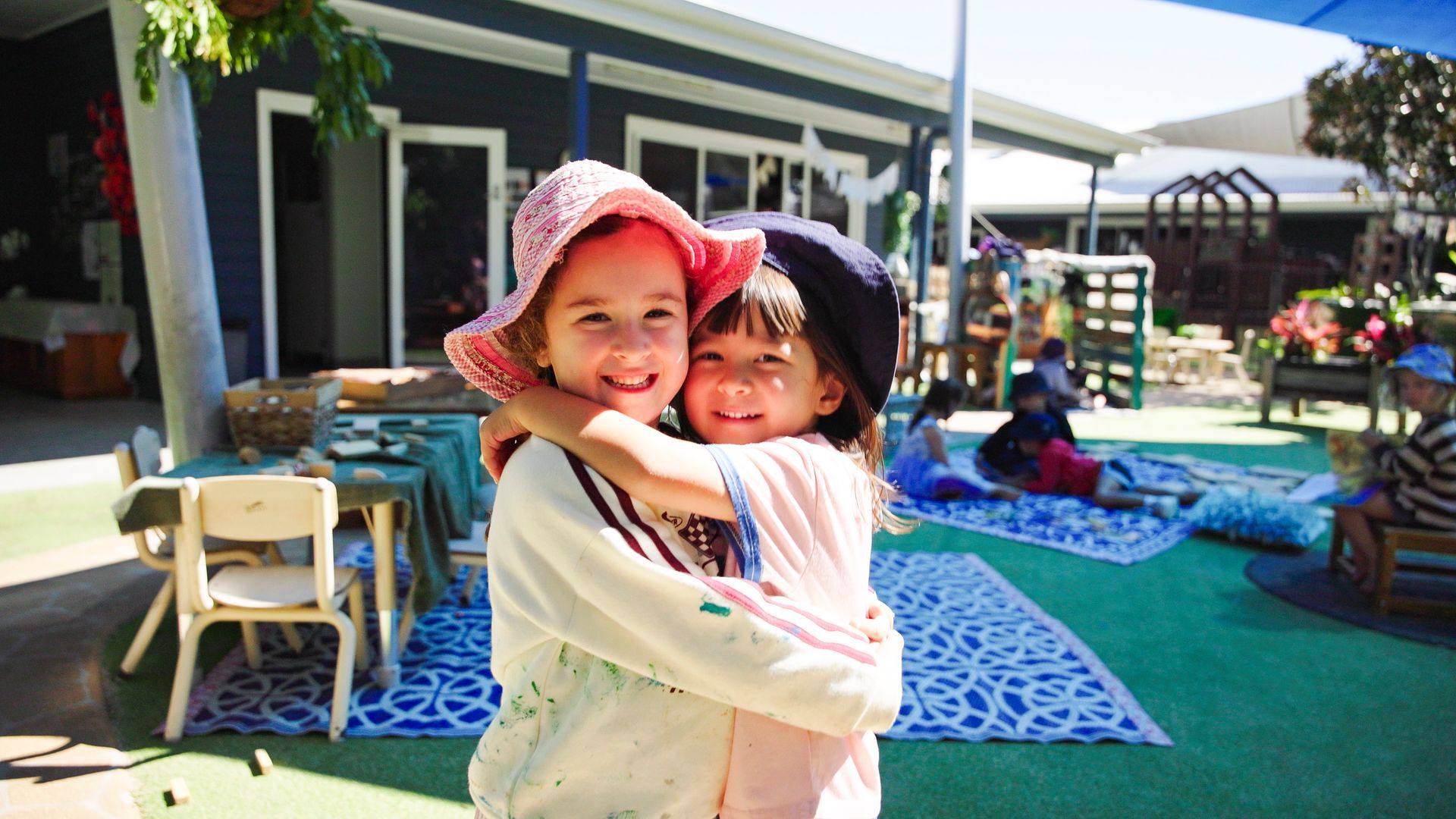
This is a space where every child, regardless of ability, language or regulation need, belongs.