A New Way to See Your Child’s Learning: Introducing the Programming and Reflection Diary

When your child comes home from child care, it is not always easy to see just how much learning has taken place in their day.
A conversation with a friend, an idea explored in the sandpit, a question asked during group time or an interest that keeps appearing in their play can all become part of a much bigger learning journey.
At Sanctuary Early Learning Adventure, our educators observe these moments, reflect on what they might mean and use them to thoughtfully plan what comes next.
From Term 4, families will have a new way to see more of that process through our Programming and Reflection Diary.
The Diary will provide a visible weekly record of what educators are noticing, how children’s interests and ideas are influencing the program, the learning taking place and where those discoveries might lead next.
What is programming and reflection in early childhood education?
Programming in early childhood education is the process educators use to thoughtfully plan learning experiences based on what they know about the children in their care.
Rather than simply creating a schedule of activities, educators observe children’s interests, questions, relationships, development and emerging ideas. They use these observations, together with their professional knowledge and relevant learning frameworks, to consider how they can extend children’s learning.
Reflection is an important part of this process.
Educators consider what happened, what children were communicating through their play and interactions, what learning was taking place and what could happen next.
It means the program can continue to evolve with the children rather than being something planned separately from them.
What is the Programming and Reflection Diary?
The Programming and Reflection Diary is a simple, open weekly record kept within each room at Sanctuary.
It brings together what educators are noticing, planning and reflecting on in one place, helping families see more of the thinking behind their child’s learning experiences.
Rather than being tucked away, the Diary is designed to be accessible within the room, whether on a table, clipboard or shelf near the entrance.
Families, children and educators can look through it, revisit experiences and contribute their own ideas.
What will families see in the Diary?
Each week, families will be able to see:
- what has sparked children’s curiosity and how those interests are helping to shape the program
- how experiences connect with the Early Years Learning Framework or Queensland Kindergarten Learning Guideline outcomes
- individual observations of children’s learning and development
- what educators are considering and planning for the week ahead
- opportunities for family and community input.
Together, these elements help make the learning process more visible.
Instead of only seeing the finished activity or a photograph from the day, families can gain greater insight into why an experience happened, what educators noticed and where the learning might go next.
How do children’s interests shape learning at Sanctuary?
Children are active participants in their own learning.
An interest that might appear small to an adult can become the beginning of rich exploration.
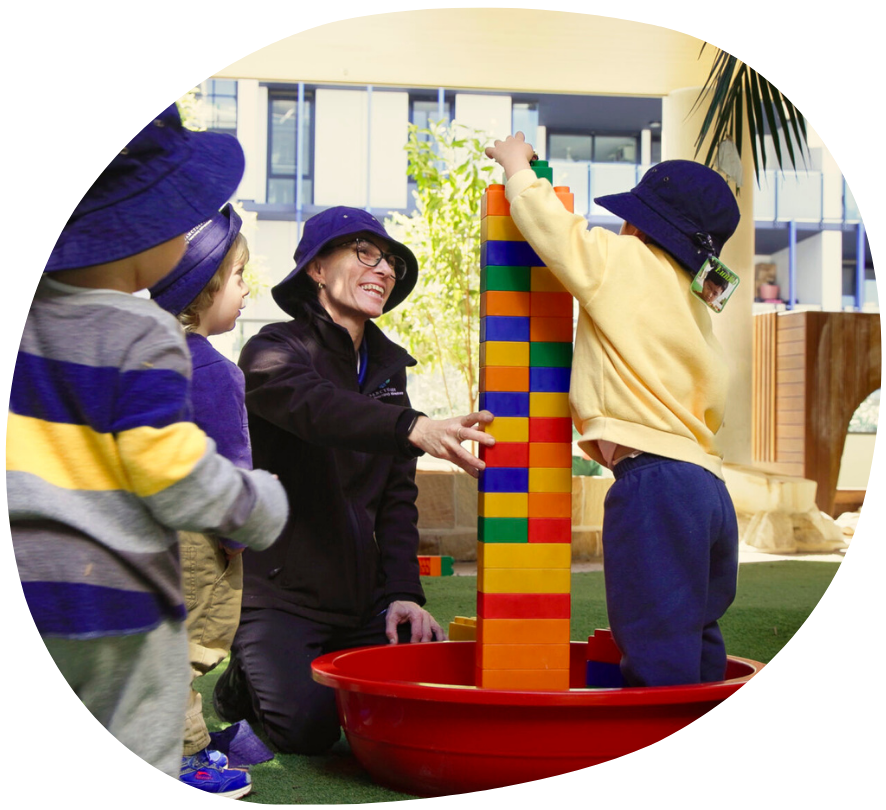
A child fascinated by an insect in the garden might begin asking questions about habitats and living things. A group building increasingly elaborate structures might explore balance, measurement, problem-solving and collaboration. A conversation about something that happened at home might inspire storytelling, art, dramatic play or further investigation.
Our educators pay attention to these moments.
They consider what children already know, what they are curious about and how the environment, resources, conversations and experiences around them could help extend that thinking.
The Programming and Reflection Diary helps families see this process unfolding from week to week.
How does the Diary connect to the Early Years Learning Framework?
Early childhood learning is intentional, but that does not mean every child's day needs to follow a predetermined lesson plan.
Our educators draw on approved learning frameworks, including the Early Years Learning Framework (EYLF) and, within our Kindergarten programs, the Queensland Kindergarten Learning Guideline (QKLG).
These frameworks support educators to think deeply about children's learning, development, wellbeing, identity, relationships and connection with the world around them.
Within the Programming and Reflection Diary, families will be able to see connections between the experiences happening in the room and relevant learning outcomes.
This provides another window into the purpose and thinking sitting behind everyday experiences.
Is the Programming and Reflection Diary replacing the Learning Journey Book?
No.
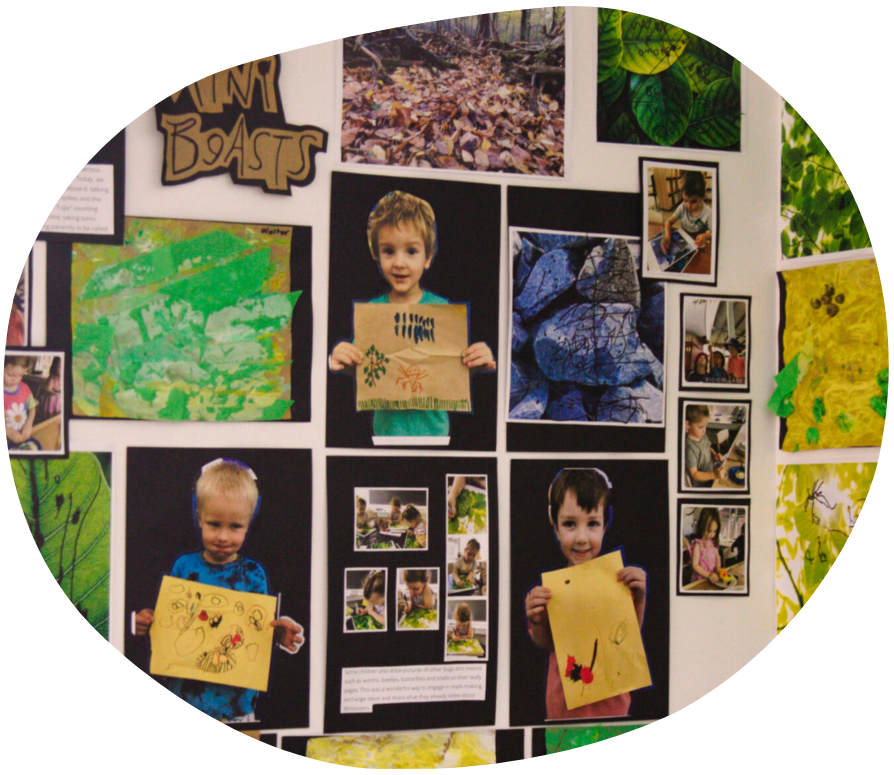
Our A3 Learning Journey Book will continue as an important part of documenting children's learning at Sanctuary.
The Learning Journey Book captures the broader term-by-term learning journey and reflects the enquiry approach our educators have been trained in.
The Programming and Reflection Diary has a different purpose.
Think of it as the weekly companion to the Learning Journey Book. It captures the smaller moments, observations, reflections and emerging ideas that contribute to those larger learning stories over time.
Together, they provide families with a richer picture of their child's learning.
Why are we introducing the Programming and Reflection Diary?
Our teams have continued to grow in their reflective practice, and we wanted the way we document learning to reflect that growth.
Importantly, we also wanted more of this thinking to be visible to families.
When you can see not only what your child has been doing, but why, you gain a different perspective on their day.
Something that looks like digging in the garden may involve problem-solving, collaboration and scientific thinking. Building with blocks may involve early mathematical concepts, persistence and negotiation. Retelling a favourite story may be developing language, memory, imagination and confidence.
The Diary helps connect those dots.
How can families contribute to their child's learning?
Families hold knowledge about their children that nobody else does.
You know the conversations happening at home, the interests that suddenly become all-consuming, the new skills your child is practising and the experiences that are important to your family.
That is why family input has a dedicated place within the Programming and Reflection Diary.
You might share a comment about something your child has been talking about at home, a weekend experience that captured their imagination, a question they have been asking or something you would love our educators to know.
Those insights can help educators understand children's ideas more deeply and create connections between home and Sanctuary.
A learning journey we can see together
From Term 4, we encourage you to take a few minutes to look through the Programming and Reflection Diary in your child's room.
Ask questions. Add a comment. Tell us what you have been noticing at home. Talk with your child about something you see recorded in its pages.
Because making learning visible is not simply about documenting more.
It is about helping children, families and educators see the connections between the small moments that happen each day and the learning journey unfolding over time.
If you would like to know more about the Programming and Reflection Diary, speak with your child's Educator or your centre's Educational Leader.
Frequently Asked Questions
What is a Programming and Reflection Diary in child care?
A Programming and Reflection Diary is a weekly record that shows what educators are observing, planning and reflecting on within an early learning environment. At Sanctuary, it helps families see how children's interests, ideas and development influence the educational program.
How do early childhood educators decide what children will learn?
Early childhood educators observe children's interests, questions, development and interactions and use their professional knowledge to plan opportunities that extend learning. They also draw on approved learning frameworks such as the Early Years Learning Framework and Queensland Kindergarten Learning Guideline.
Why is reflection important in early childhood education?
Reflection helps educators consider what children are learning, how they responded to experiences and what opportunities could extend their thinking. It supports a responsive program that evolves alongside the children.
Can parents contribute to child care programming?
Yes. Family knowledge can provide valuable insight into a child's interests, experiences and learning outside the early learning environment. Sanctuary's Programming and Reflection Diary includes a dedicated space for family and community contributions.
How can I find out what my child is learning at Sanctuary?
Families can speak with their child's educators, view their room's Programming and Reflection Diary and explore their child's Learning Journey. Together, these provide insight into children's interests, experiences, development and ongoing learning.
Recent Articles From Sanctuary