
Sustainability in Childcare: Helping Children Care for Their World
For young children, sustainability isn’t something that needs to begin with big concepts like climate change or carbon footprints. It can start with something much simpler: planting a seed, turning off a tap, sorting materials for recycling or discovering what happens to food scraps after lunch.
These everyday experiences help children begin to understand an important idea: the choices we make can have an impact on the world around us.
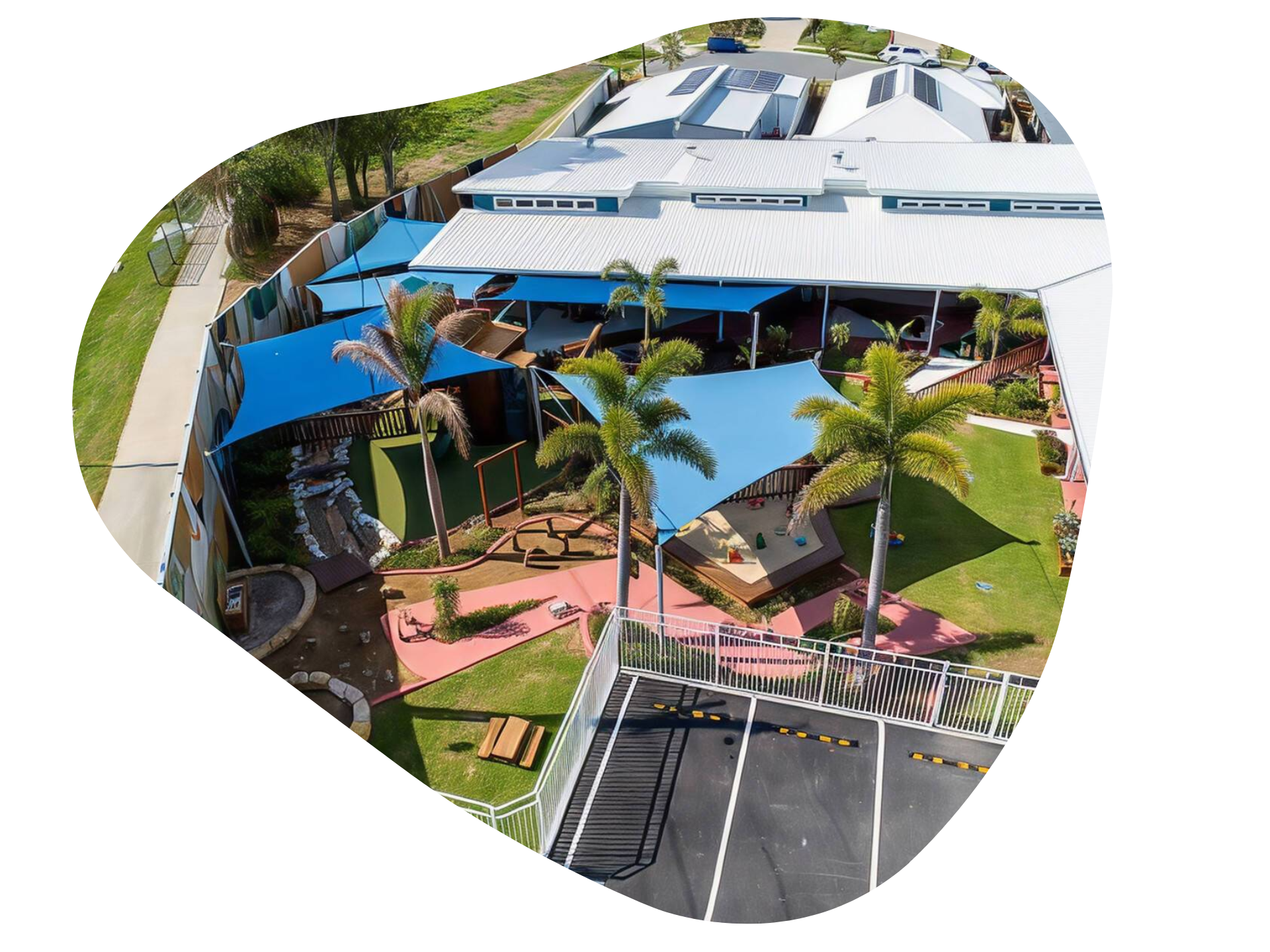
At Sanctuary Early Learning Adventure, sustainability education is woven into children’s everyday experiences, giving them opportunities to explore, ask questions, contribute and develop a meaningful connection with the natural world.
Why is sustainability important in early childhood education?
Early childhood is a time when children are developing their understanding of themselves, their community and the world around them.
Sustainability education gives children opportunities to explore the relationships between people, plants, animals and the environment. Rather than simply telling children that they should recycle, save water or care for plants, educators can help them discover why these actions matter.
For young children, this understanding is often built through hands-on experiences.
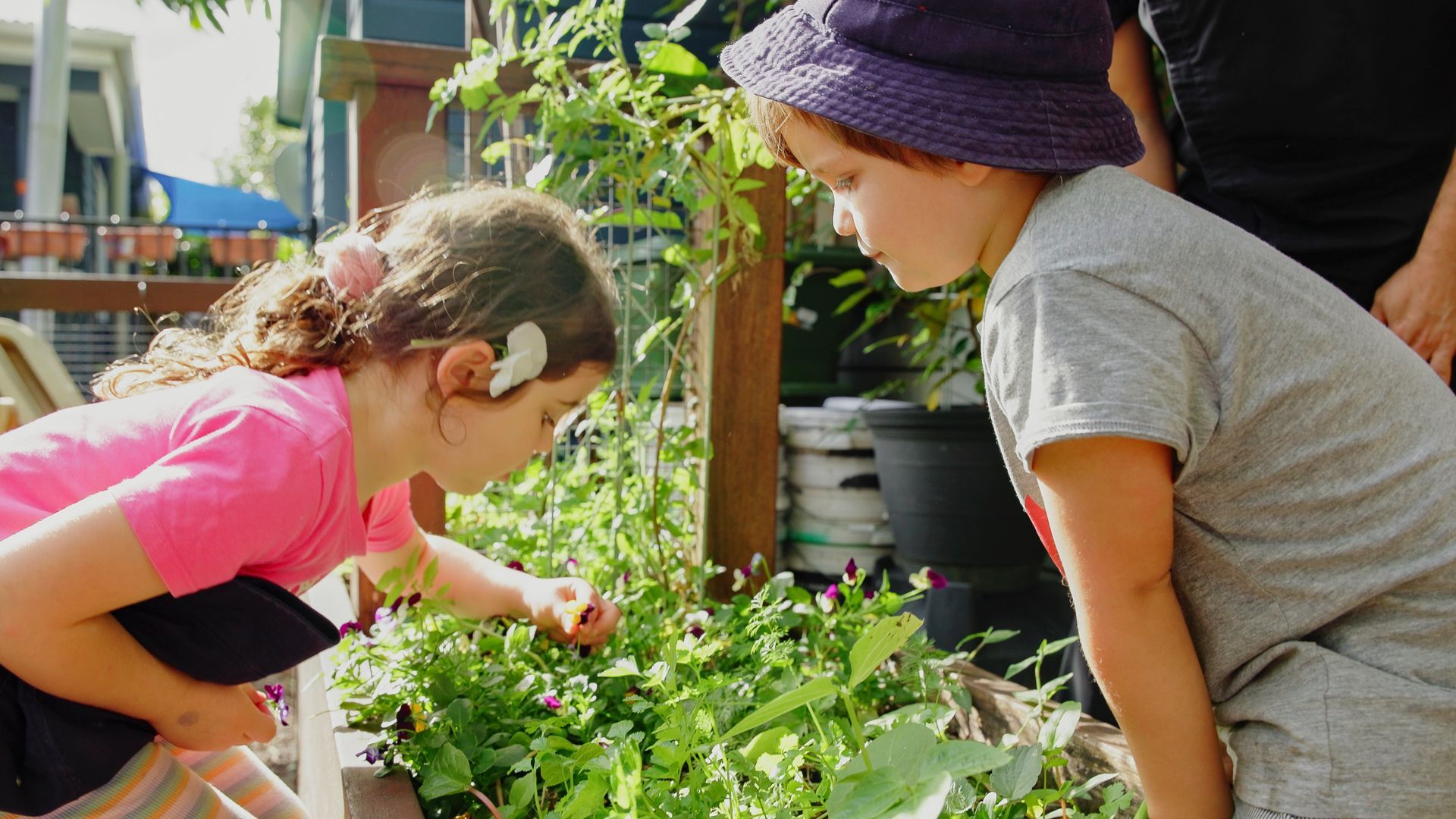
A child who helps water a vegetable garden begins to see what plants need to grow. A child who harvests vegetables and later sees them incorporated into a meal can begin to understand where food comes from. A child who places scraps into a compost or worm farm can observe that what might otherwise be considered waste can have another purpose.
These small experiences build knowledge over time.
LEarning sustainability through everyday experiences
Children learn through doing. That is why sustainability education can be particularly meaningful when it becomes part of everyday routines rather than something reserved for a particular activity or lesson.
Depending on the interests of the children and the environment of each centre, sustainability experiences might include:
- growing and caring for herbs, vegetables and other plants
- harvesting produce from the garden
- exploring where food comes from
- composting food scraps
- caring for worm farms
- sorting recyclable materials
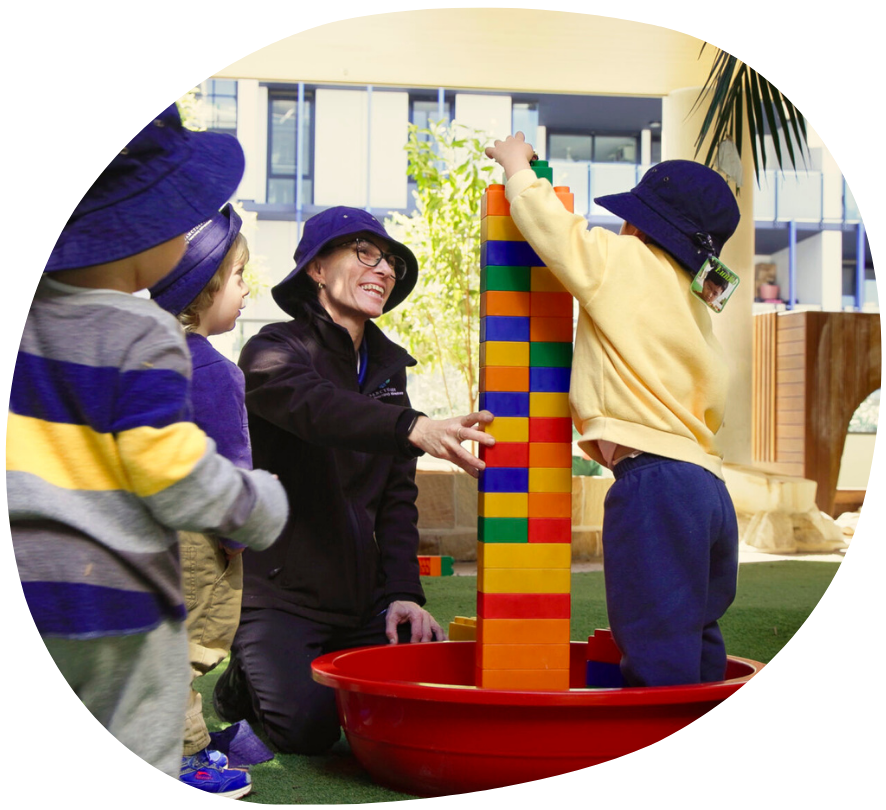
- reusing suitable materials for construction, art and creative play
- remembering to turn taps off after washing hands
- emptying leftover drinking water onto plants rather than down the sink
- learning about conserving water and electricity
- caring for animals and observing insects and other living things
- exploring sustainability through books, songs, games, puzzles and science experiences.
Importantly, children are not simply watching adults complete these tasks. Where developmentally appropriate, they can be active participants.
They might take responsibility for watering part of the garden, help decide where a recyclable item belongs, collect vegetables with an educator or investigate what is happening inside a worm farm.
Through participation, sustainability becomes something children can understand and influence.
From the garden to the kitchen
One of the most tangible ways children can explore sustainability is through food.
Our gardens can provide opportunities for children to experience parts of the food cycle firsthand. They can help plant, water and care for produce, watch it change over time and, when it is ready, participate in harvesting.
Where produce from our gardens can be incorporated into cooking experiences or meals, children have an opportunity to make another connection between the garden and the food we eat.
This can prompt wonderful conversations; where did this vegetable come from? What did it need to grow? What happens to the scraps we don't use? Could we grow it again?
Rather than sustainability being an abstract idea, children can see a process unfolding in front of them.
Composting, worms and discovering that ‘waste’ isn't always waste
A worm farm may look like a relatively simple addition to a garden, but for children it can become a fascinating learning environment.
Food scraps that may otherwise be discarded can be added to a worm farm, where children can observe decomposition and discover the role worms play in creating nutrient-rich material that can support the garden.
It introduces ideas about natural cycles in a way young children can see and investigate.
It can also inspire questions about insects, soil, plants, food and other living things, creating opportunities for educators to extend children's curiosity through further exploration.
Caring for animals and living things
Sustainability is also about developing respectful relationships with the living world.
Experiences involving animals, insects, gardens and natural environments can encourage children to observe closely and consider what other living things need.
How do we hold or approach a small creature safely? What does this plant need? Why should we leave some insects where we find them? How can we care for the spaces we share?
Through these experiences, children can practise responsibility, empathy and respect while developing an understanding that they are part of a much larger natural environment.
Reduce, reuse and recycle – in ways children can understand
“Reduce, reuse and recycle” can be difficult concepts for a young child if they are presented only as rules.
Making them visible helps give those words meaning.
Instead of simply saying, “Don't waste water”, an educator might talk with children about why plants need water and then help them use leftover water from their drink bottles in the garden.
Instead of telling children that something belongs in recycling, educators can involve them in identifying different materials and deciding where they belong.
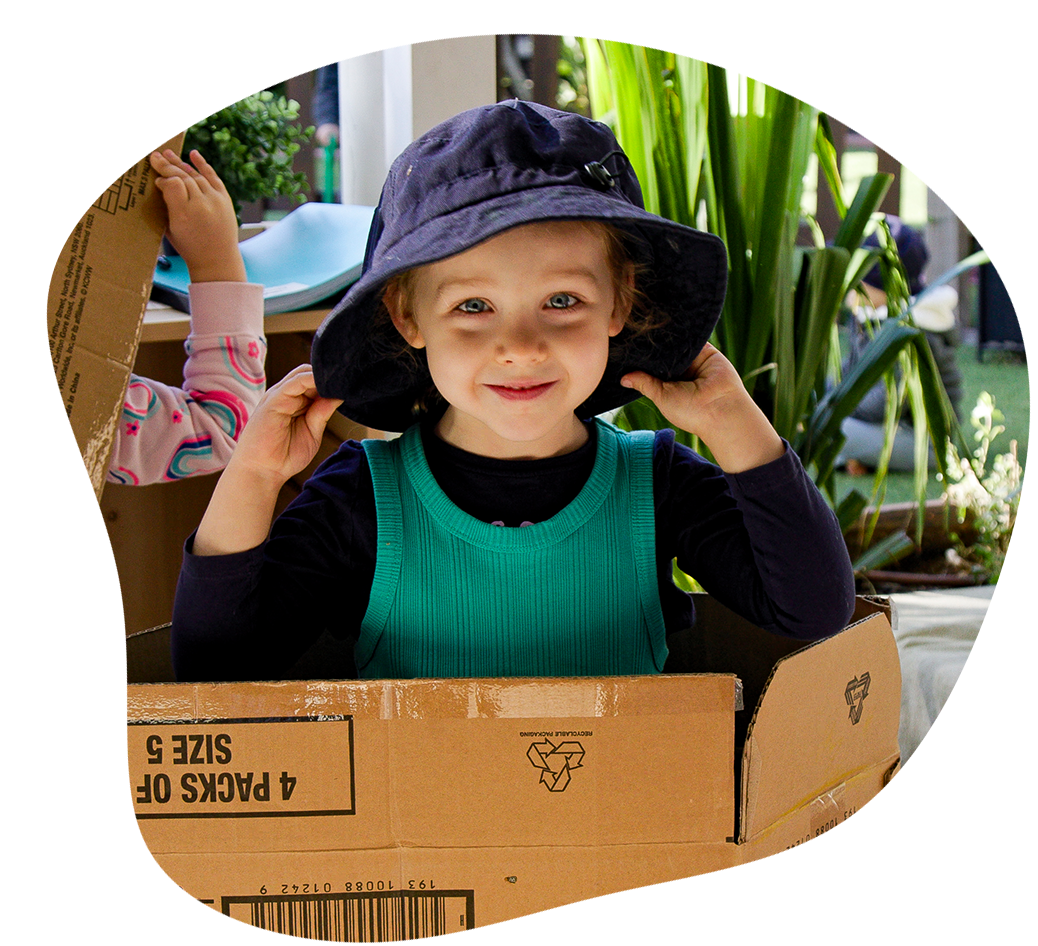
Reusable and recycled materials can also become valuable resources for children's creativity. Boxes, cardboard tubes, paper and other suitable materials can be transformed through construction and imaginative play, showing children that something does not always need to be new to be useful.
Children can make a difference
One of the most valuable messages within sustainability education is that children are capable of contributing to their community and environment.
Their actions might seem small to an adult, but turning off a tap, caring for a seedling or remembering where to place a recyclable item gives a child an opportunity to participate.
Over time, those everyday experiences can help develop habits, knowledge and a sense of responsibility for the places and living things around them.
At Sanctuary, we want children to experience the natural world rather than simply learn about it. Through gardening, cooking, exploring, caring for living things and participating in sustainable practices, children can begin building a relationship with their environment that grows alongside them.
Because caring for our world doesn't have to begin with understanding everything about sustainability.
Sometimes, it begins with a seed, a watering can and a child wondering what will happen next.
What is sustainability in childcare?
Sustainability in childcare is about helping children understand how their everyday choices connect with the natural world. This can include caring for gardens, recycling, reducing waste, conserving water and energy, composting and learning about plants, animals and natural environments.
Why is sustainability important in early childhood education?
Sustainability education can help children develop respect, responsibility and care for their environment. Through hands-on experiences, children can begin to understand where food comes from, how living things depend on one another and how small actions can contribute to caring for the world around them.
How can childcare centres teach children about sustainability?
Young children often learn about sustainability most meaningfully through everyday experiences. Gardening, composting, sorting recycling, reusing materials, conserving water, caring for animals and exploring nature can all introduce sustainability concepts in developmentally appropriate ways.
What are some sustainability activities for toddlers and preschoolers?
Simple activities might include planting seeds, watering a garden, collecting leaves, sorting recyclable materials, creating with reused materials, feeding a worm farm, harvesting herbs or vegetables and using leftover drinking water on plants.
How does gardening support children's learning?
Gardening provides opportunities to explore growth, change, food, seasons and living things. Children can observe what plants need, practise caring for something over time and experience the connection between growing, harvesting, preparing and eating food.
How can families encourage sustainability at home?
Sustainability can become part of simple family routines. Children can help sort recycling, turn off taps, water plants, use reusable containers, grow herbs or vegetables and find creative ways to reuse suitable household materials.
How does Sanctuary incorporate sustainability into children's learning?
At Sanctuary Early Learning Adventure, sustainability can be explored through everyday routines and hands-on learning experiences such as gardening, food and cooking experiences, recycling, caring for living things, reducing waste and exploring the natural environment. Educators support children to participate, ask questions and discover why caring for their environment matters.
Recent Articles From Sanctuary