Understanding and Supporting Children’s Development at Sanctuary

Melissa Taylor Hansford • February 4, 2026

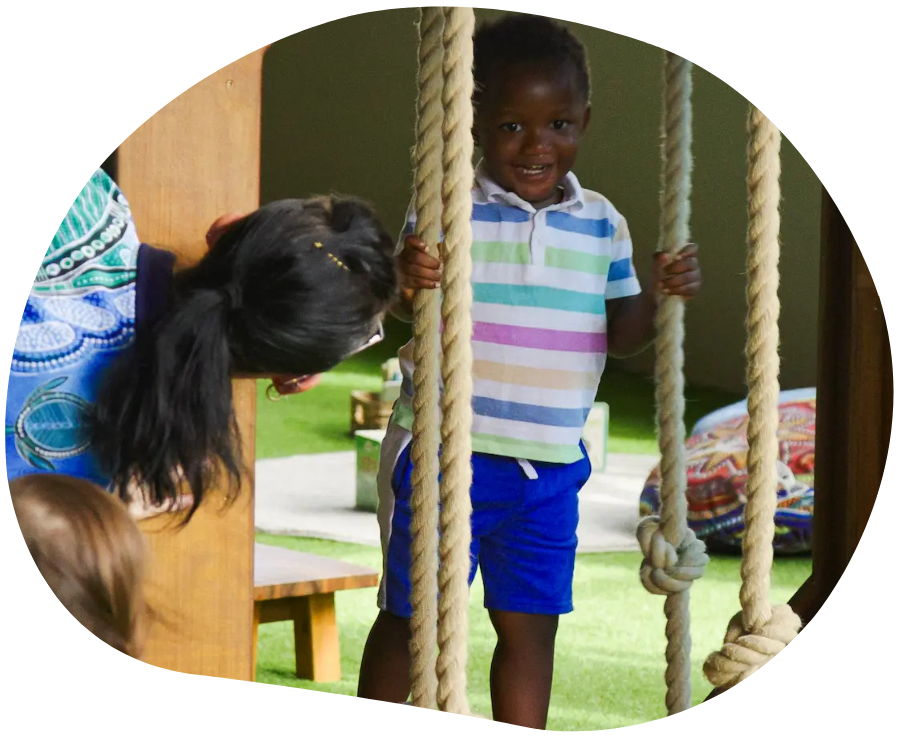
The early years of life — from birth to five — are a time of extraordinary growth. During this period, children build the foundations for their learning, health, behaviour and emotional wellbeing. What happens in these years matters, not just for school readiness, but for life.


Recent insights from the Australian Early Development Census (AEDC) reinforce just how important early support is. The 2024 data shows that developmental vulnerability among Australian children at school entry has increased slightly since the previous census. In Queensland in particular, fewer children are accessing early developmental health checks compared to other states — highlighting the growing importance of early learning environments as a place for observation, support and early connection.

Why the early years matter so much

Children develop at their own pace, and no two journeys look the same. However, when children receive timely support in the early years, it can make a meaningful difference to their confidence, learning and long-term wellbeing.


Early identification of strengths, emerging skills or areas where a child may benefit from additional support allows families and educators to work together — early, thoughtfully and without urgency or alarm. It’s about understanding the whole child and ensuring they feel supported, capable and secure.

What is developmental monitoring in early learning?

Developmental monitoring in early childhood education and care (ECEC) is an ongoing, thoughtful process where educators observe, document and reflect on children’s development over time.


Rather than relying on one-off checks, developmental monitoring happens naturally through everyday play, routines and learning experiences. Educators look at how children are:


  • communicating and interacting with others
  • moving, playing and exploring their environment
  • developing independence and self-regulation
  • engaging in learning, problem-solving and creativity


This information helps educators understand each child’s unique development, celebrate their strengths and identify when additional support or guidance may be helpful.


Importantly, developmental monitoring is not about labels or comparisons. It is about noticing patterns, supporting growth and partnering with families to ensure children feel confident and capable as they learn and grow.

Developmental monitoring at Sanctuary

At Sanctuary, developmental monitoring is embedded into our everyday practice in a way that is supportive and child-centred.


Our Developmental Monitoring Model builds the capability of our Educational Leaders, Teachers and Lead Educators to:


  • observe children consistently and meaningfully
  • document learning, development and participation
  • respond to emerging needs with care and professionalism
  • support families with clear, respectful communication


This approach aligns with the Education and Care Services National Regulations, which require educators to document children’s developmental needs, interests, experiences and participation in the educational program. More importantly, it ensures that every child is seen, supported and valued as an individual.

Partnering with families

Families are a child’s first and most important teachers. Developmental monitoring works best when educators and families collaborate, share insights and support one another.


At Sanctuary, we see this as a partnership — one built on trust, open communication and a shared commitment to each child’s wellbeing.


If you would like to learn more about developmental monitoring or the support available at Sanctuary, we warmly invite you to reach out to Melissa at melissa@sanctuarylearning.com.au


Recent Articles From Sanctuary
By Michelle Tuffley July 23, 2026
Preparing a meal with care, only to have your child refuse it, can feel frustrating and worrying. You are not alone.  Fussy eating is common during the toddler and preschool years. A calm routine, repeated exposure to different foods and less pressure at the table can help children build confidence and develop a positive relationship with food over time.
educator reads from an open book facing three children in an early learning setting
By Michelle Tuffley July 9, 2026
Reading with your child from birth supports language, connection and early literacy. Discover simple ways to build a joyful daily reading habit at home.
By Emma Rossely July 2, 2026
Why everyday play matters more than expensive toys
child sitting at a table drinking from a tea cup
By Sanctuary Early Learning Adventure July 2, 2026
Eligible families can receive $600 in credit over 12 weeks when enrolling for five permanent days at participating Sanctuary centres.
Show More