
The Benefits of Play-Based Learning in Childcare Centres
When parents think about early education, it’s easy to picture structured lessons, worksheets, and a clear academic plan. While these elements can play a role, much of a child’s most valuable learning happens in moments that look like fun and games. Play-based learning has become a cornerstone in our childcare settings because it provides a balanced, engaging way for children to explore, connect, and grow.
From building towers with blocks to creating imaginary worlds with friends, play offers countless opportunities for children to develop key skills that will support their growth. It is a flexible, dynamic approach that can be woven into every aspect of the day, making the learning journey as natural and enjoyable as possible.
Encouraging Early Cognitive Growth Through Play
Children’s brains are highly receptive to new ideas, patterns, and challenges. Play provides an open-ended environment where thinking skills are constantly engaged.
Through play, children can:
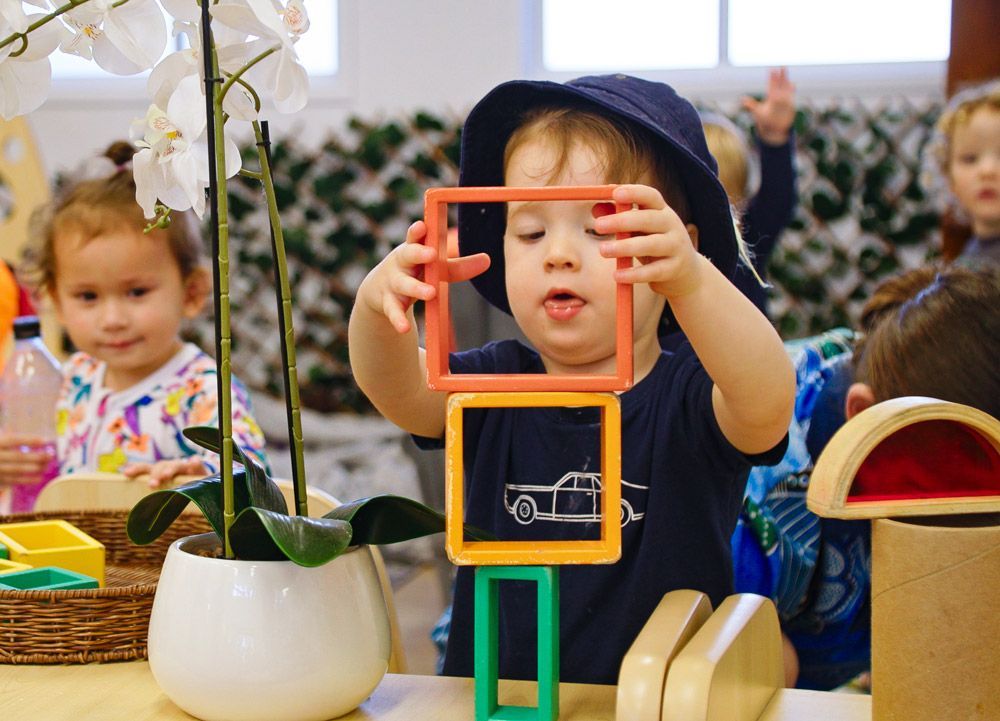
- Experiment with cause and effect by building, stacking, and testing their creations.
- Develop early numeracy skills by counting, sorting, and grouping objects.
- Strengthen memory and recall through interactive games and storytelling.
Activities such as matching games, construction projects, and pretend shops introduce problem-solving in a way that feels exciting rather than pressured. These moments are part of a broader approach to early learning, giving children time and space to process new concepts at their own pace.
Building Social Skills in Group Play Settings
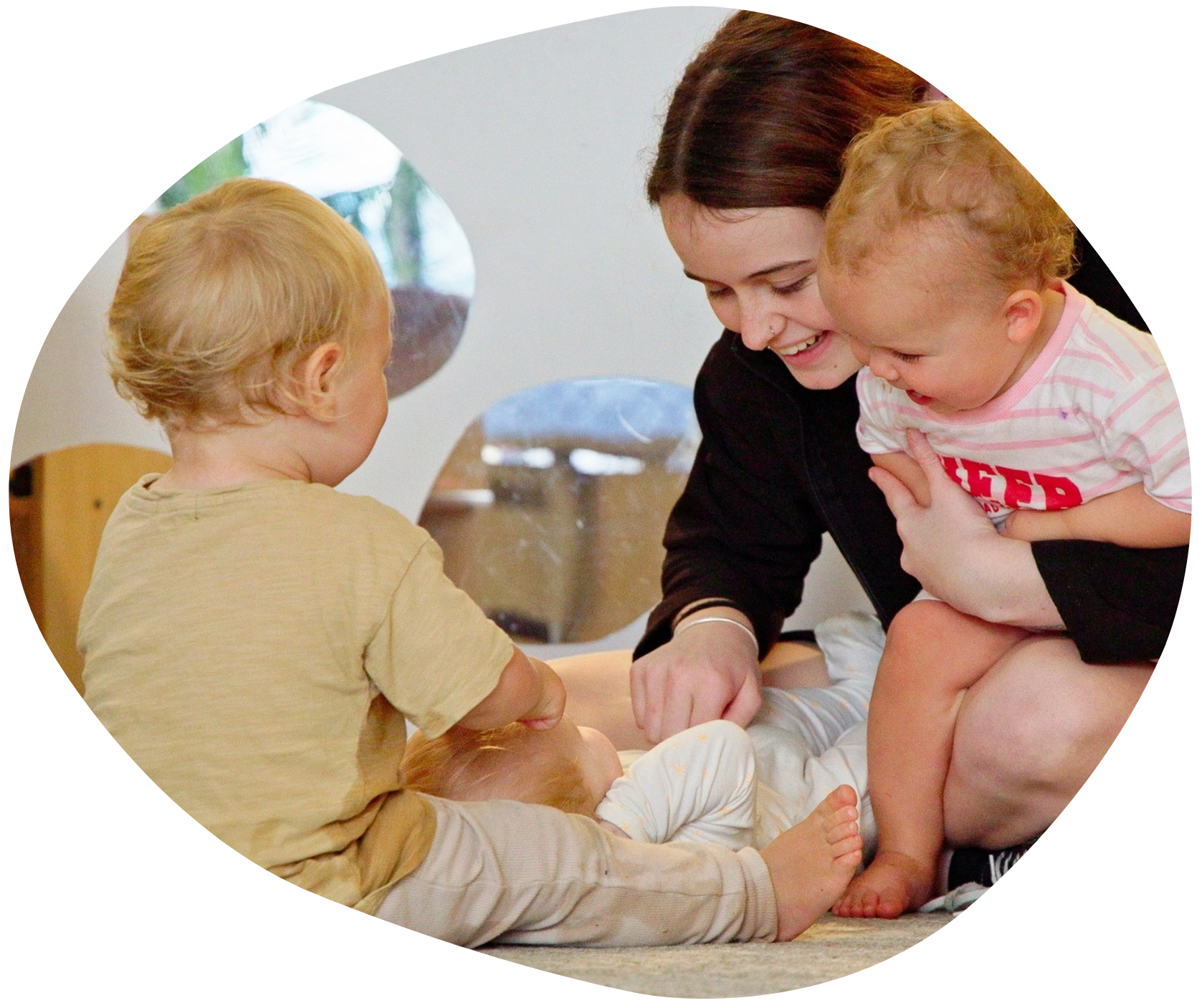
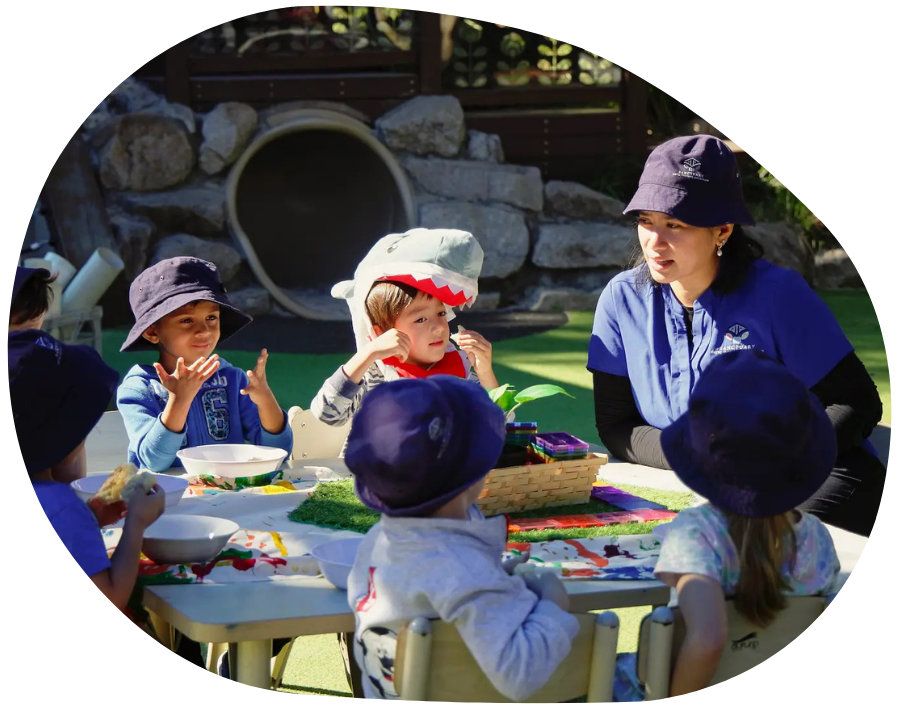
Social learning is a central part of early childhood. Group play helps children navigate relationships, learn cooperation, and practise communication in a supportive environment.
Key social benefits of group play include:
- Learning to share resources and take turns.
- Practising active listening and responding to others’ ideas.
- Developing empathy by recognising and respecting different perspectives.
Whether it’s building a shared sandcastle, working together to solve a puzzle, or engaging in role-play games, group activities in early learning settings encourage a sense of belonging and collaboration. These interactions help children become comfortable expressing themselves while also valuing the input of their peers.
Supporting Emotional Well-being Through Imaginative Play
Imaginative play allows children to explore feelings and scenarios in a safe and creative way. By pretending to be someone else, whether a doctor, shopkeeper, or animal, children can work through emotions, practise problem-solving, and try out different social roles.
This kind of play offers valuable opportunities to:
- Explore different responses to common challenges.
- Express joy, excitement, frustration, or curiosity in a non-confrontational setting.
- Build resilience by navigating changes in the game’s storyline or rules.
Role-play, dress-ups, and storytelling activities can provide emotional outlets while promoting self-awareness. These moments become a natural part of a balanced day, blending creativity with emotional growth.
Developing Fine & Gross Motor Skills with Active Play
Play is not just about mental development—it also supports physical growth. A variety of play activities can strengthen fine and gross motor skills.
Fine motor skill development might involve:
- Threading beads or lacing cards.
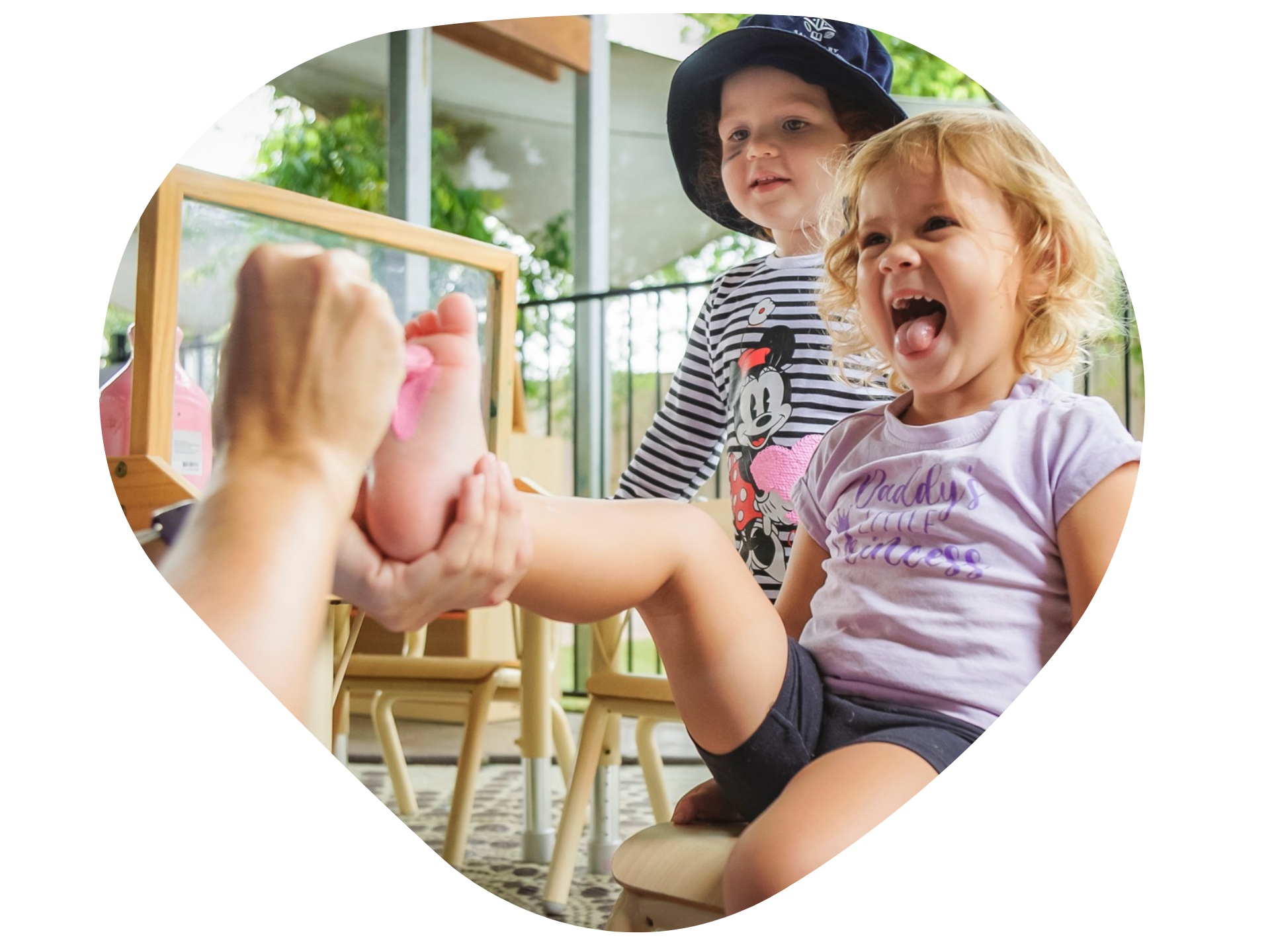
- Drawing, painting, or using play-dough.
- Building structures with small blocks.
Gross motor skill development can be supported through:
- Climbing, jumping, and balancing on outdoor equipment.
- Playing ball games that require catching, throwing, or kicking.
- Participating in movement-based group games and music sessions.
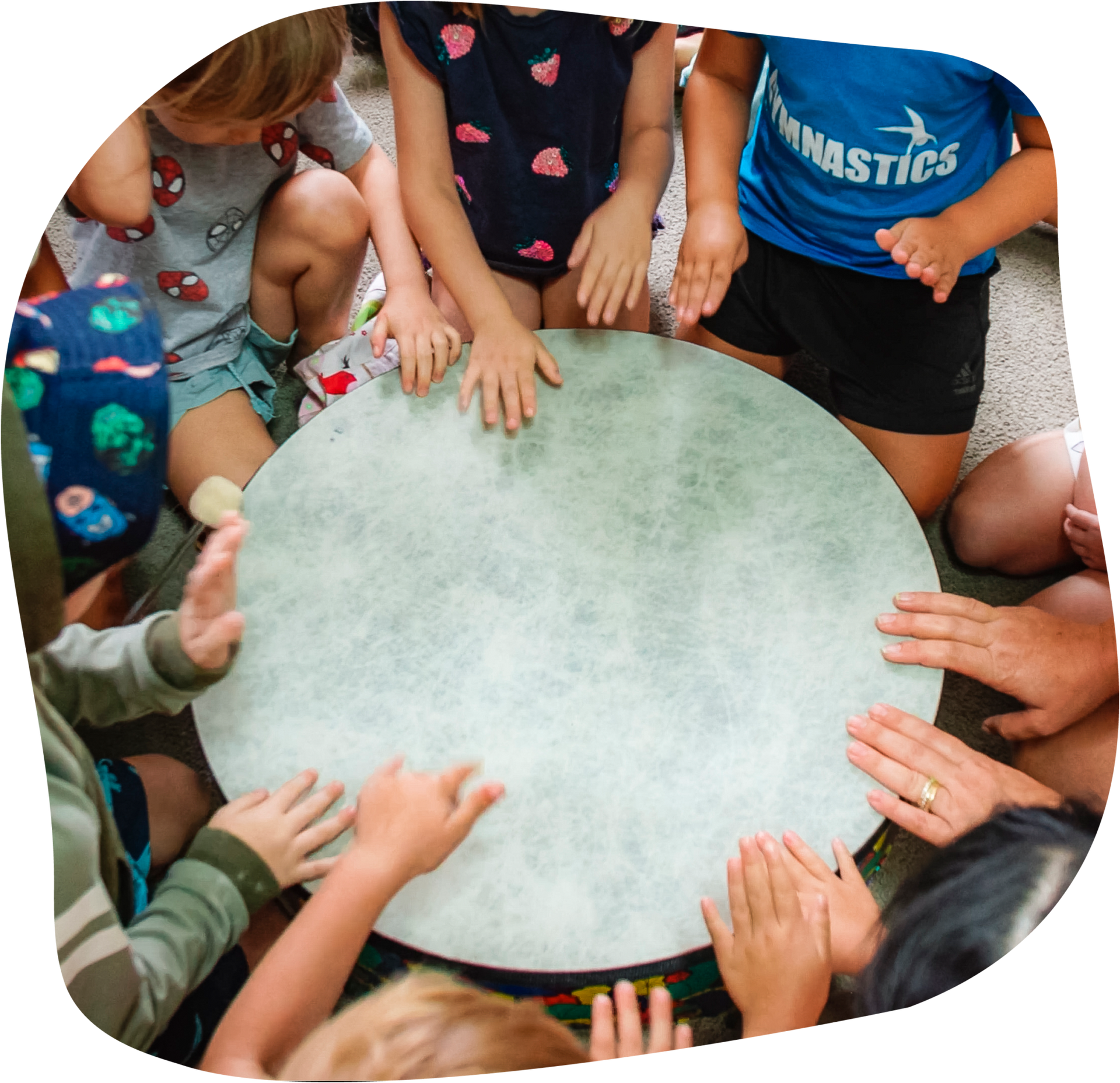
A balanced mix of indoor and outdoor play helps children develop coordination, strength, and spatial awareness in a way that feels enjoyable and engaging.
Encouraging Problem-Solving Through Play-Based Challenges
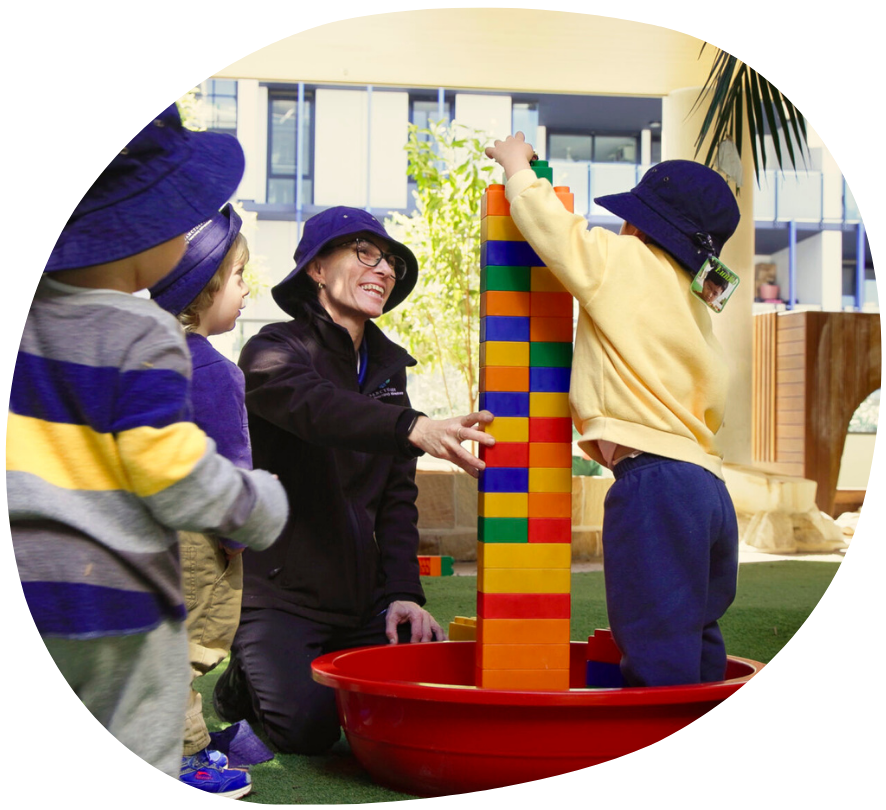
Play often presents natural challenges for children to solve, whether that’s figuring out how to make a block tower stand without toppling, or working out the rules of a new group game.
Problem-solving benefits of play include:
- Encouraging persistence when faced with trial and error.
- Promoting creative thinking to find multiple solutions.
- Building confidence through small achievements.
These experiences prepare children for more formal learning in the future, as they become comfortable approaching challenges with curiosity rather than hesitation. In an early learning Southport setting, these moments are built into the daily flow, allowing children to tackle new tasks in ways that feel meaningful to them.
Fostering a Love for Learning in Everyday Moments
When learning feels like play, curiosity can flourish. By embedding educational concepts into fun activities, children begin to see learning as a natural part of life rather than something separate or intimidating.
Ways play can foster a love of learning:
- Storytelling that introduces new vocabulary in a relatable way.
- Counting games that make early numeracy concepts part of daily routines.
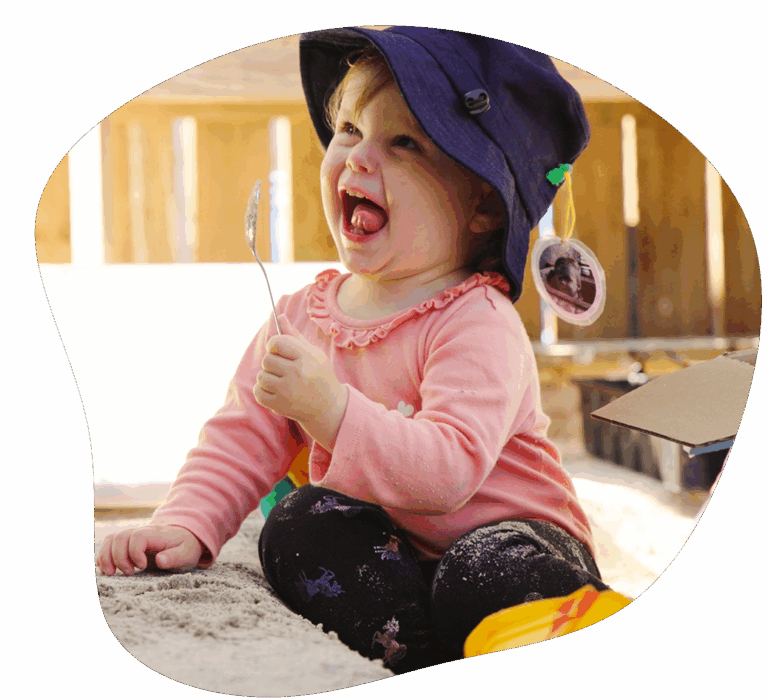
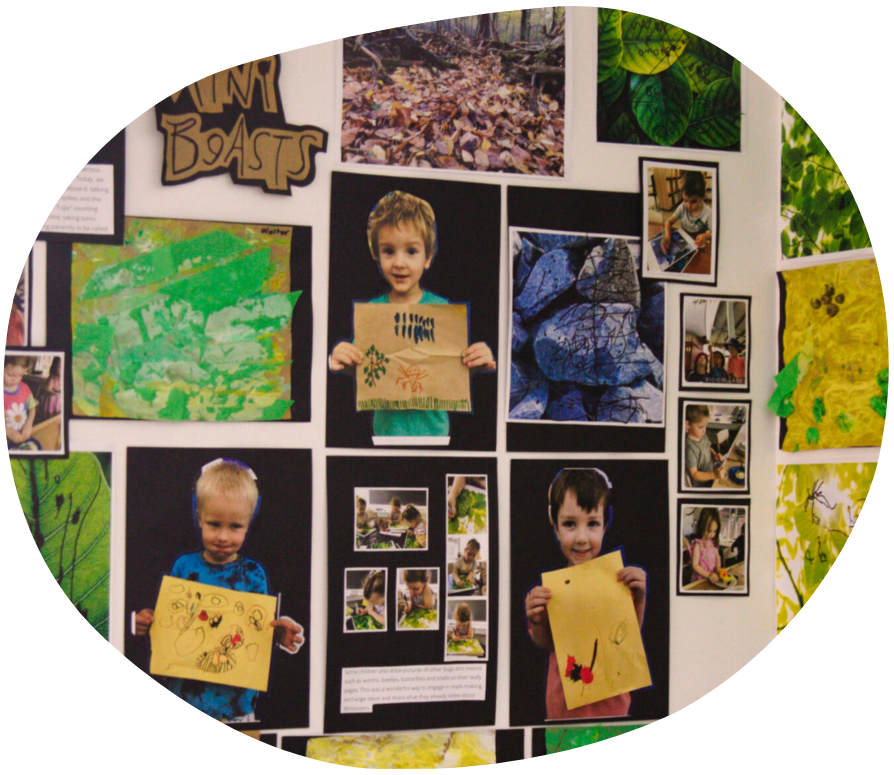
- Science experiments disguised as water play, sand play, or nature exploration.
Children who enjoy learning are more likely to approach new challenges with enthusiasm, setting a positive tone for their future educational journey.
Creating a Safe Space for Exploration & Discovery
Our supportive childcare setting offers an environment where children feel confident to explore without fear of failure. Structured routines give a sense of security, while open-ended play invites creativity and self-directed discovery.
This balance allows children to:
- Test their ideas in a non-judgmental environment.
- Move between independent and collaborative activities at their own pace.
- Gain confidence in their ability to explore new materials, spaces, and concepts.
By allowing both guided and free play, educators give children the stability they need to take healthy risks in their learning.
Integrating Play into a Balanced Early Learning Curriculum
Play-based learning doesn’t exist in isolation—it can be integrated with other teaching strategies to provide a well-rounded approach to development. At Sanctuary Early Leaning Adventure, play is combined with intentional learning moments, ensuring that both structured and unstructured activities contribute to growth.
A balanced approach might include:
- Guided activities that introduce literacy and numeracy concepts.
- Free play sessions where children can follow their interests.
- Group projects that combine creativity, problem-solving, and communication skills.
By weaving play into the overall curriculum, children can develop a wide range of skills in a way that feels engaging and relevant to them.
Create a Playful Learning Journey with Sanctuary Learning
At Sanctuary Early Learning Adventure, we understand the value of play in shaping confident, curious learners. Our Southport childcare centre offers a welcoming environment where children can explore, connect, and grow through a balance of play-based activities and intentional learning opportunities. Whether you’re seeking childcare Southport options or want to learn more about early learning Southport programs, get in touch with our team today to arrange a visit or book a place for your child.
Find Sanctuary Early Learning Adventure Ashmore here.
Find Sanctuary Early Learning Adventure Buderim here.
Find Sanctuary Early Learning Adventure - Health & Knowledge Precinct here.
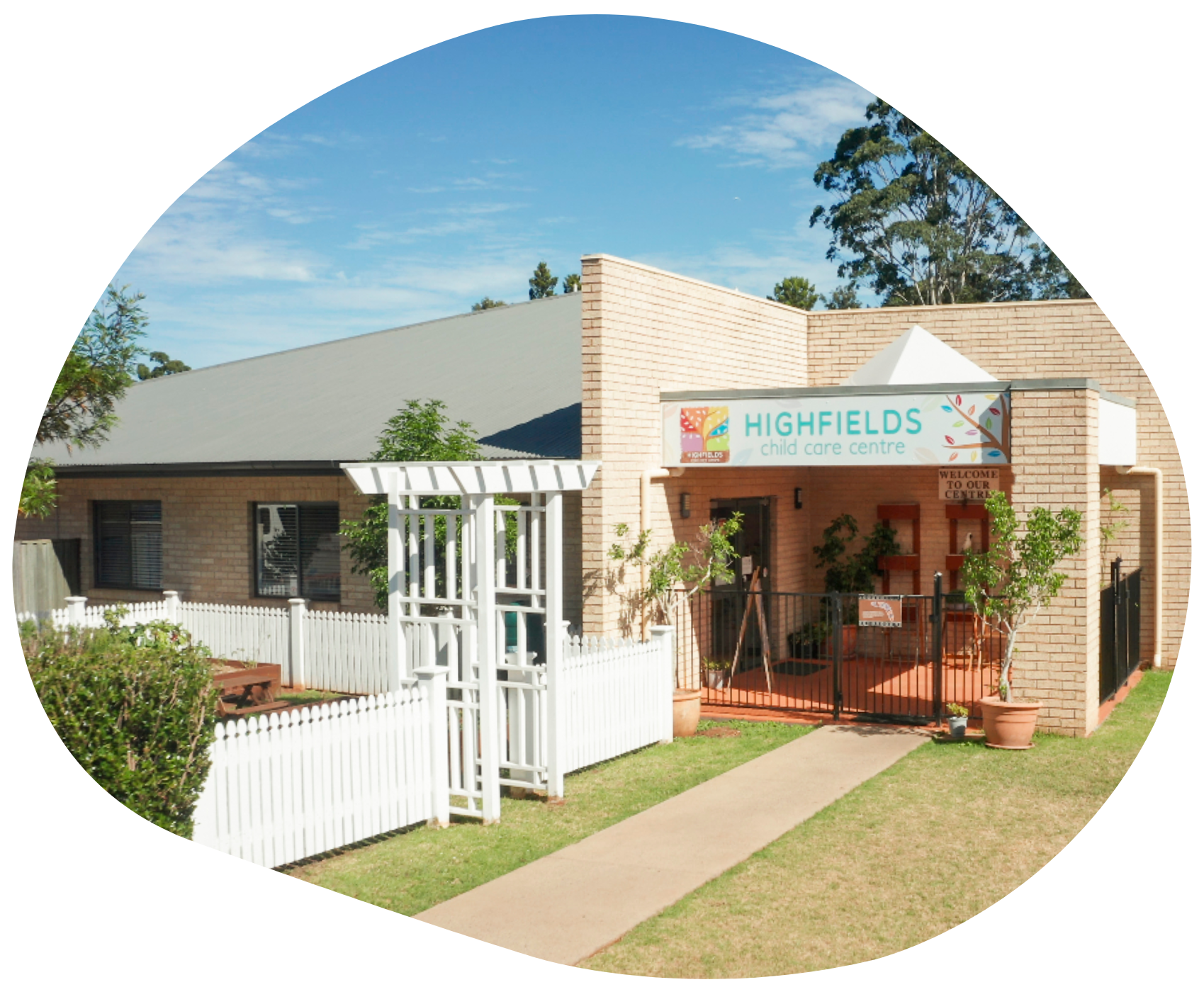
Find Highfields Child Care Centre here.
Find Sanctuary Early Learning Adventure Maudsland here.
Find Sanctuary Early Learning Adventure Redlynch here.
Recent Articles From Sanctuary