Transitioning with Intention: How Sanctuary's Teams Put Philosophy into Practice


What does it look like when
philosophy becomes practice? At Sanctuary Early Learning Adventure, this year's room transitions gave us a very clear, very beautiful answer.
Transitions are often one of the most demanding times of the early learning year. At Sanctuary, they have become something else entirely — a moment of pride, connection, and visible care.
Laying the groundwork
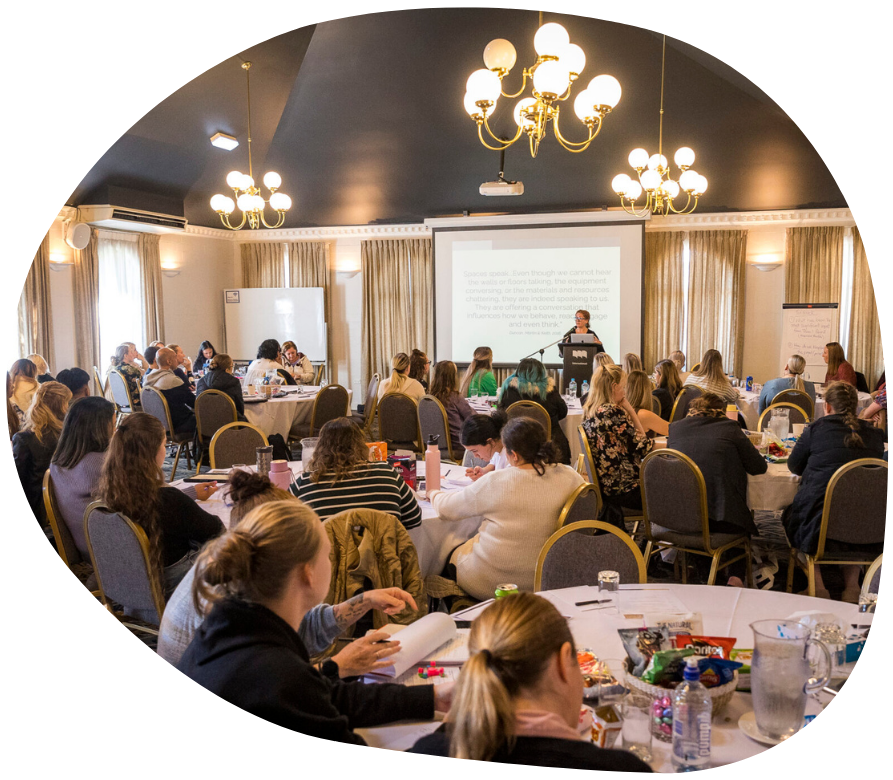
The success of this year's transitions began well before January. At the close of last year, teaching teams across all six centres took time to do something simple but powerful: they slowed down. Rather than arriving at the new year with a blank slate, educators reflected deeply on the children moving through, the relationships already formed, and the environments those children would soon call their own.
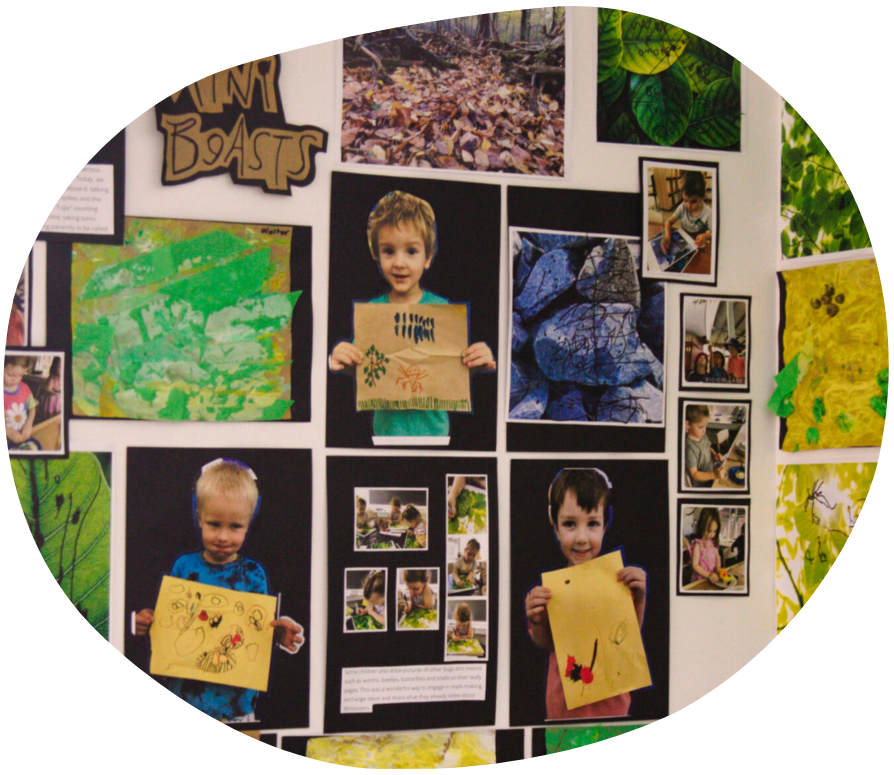
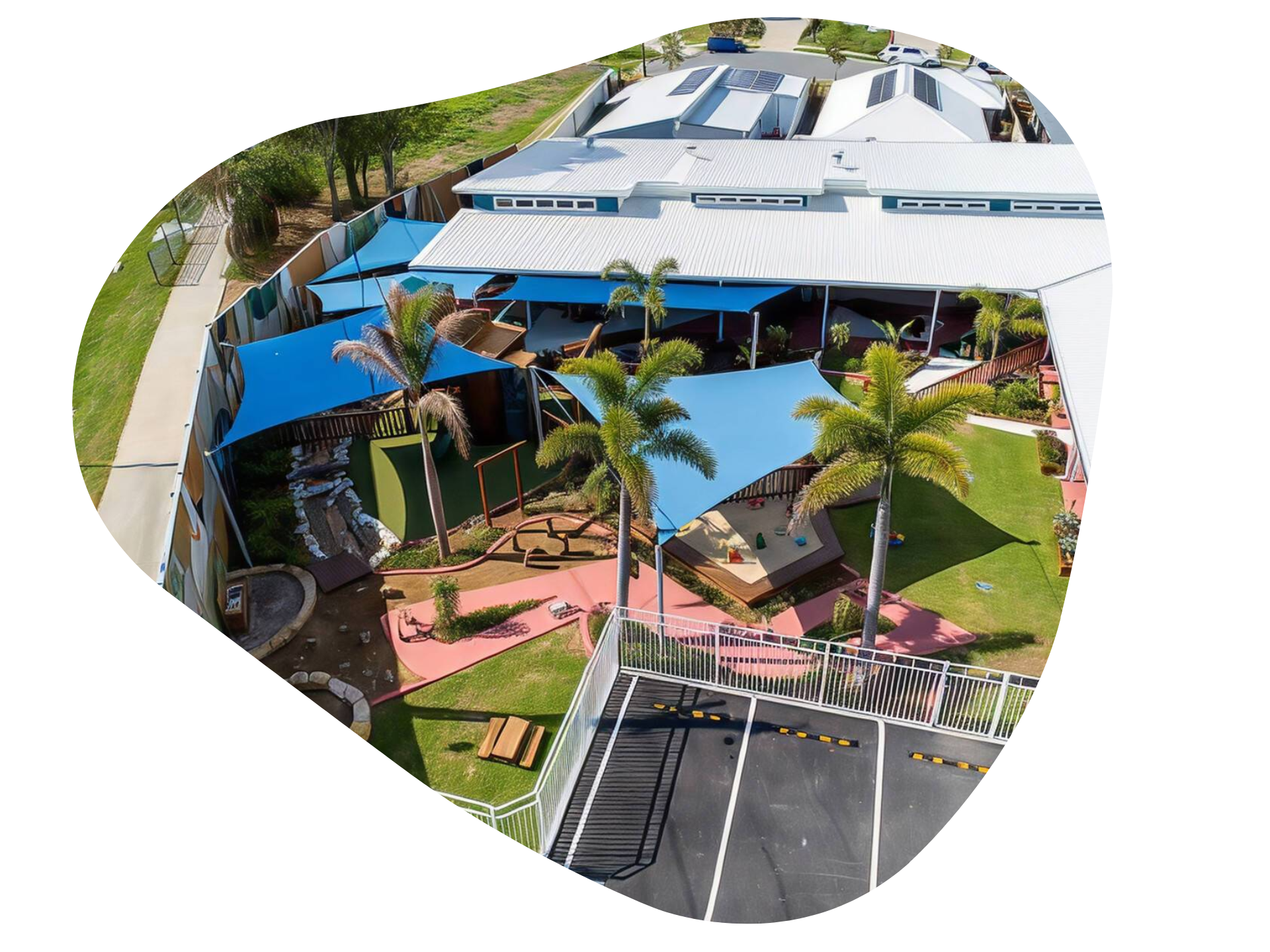
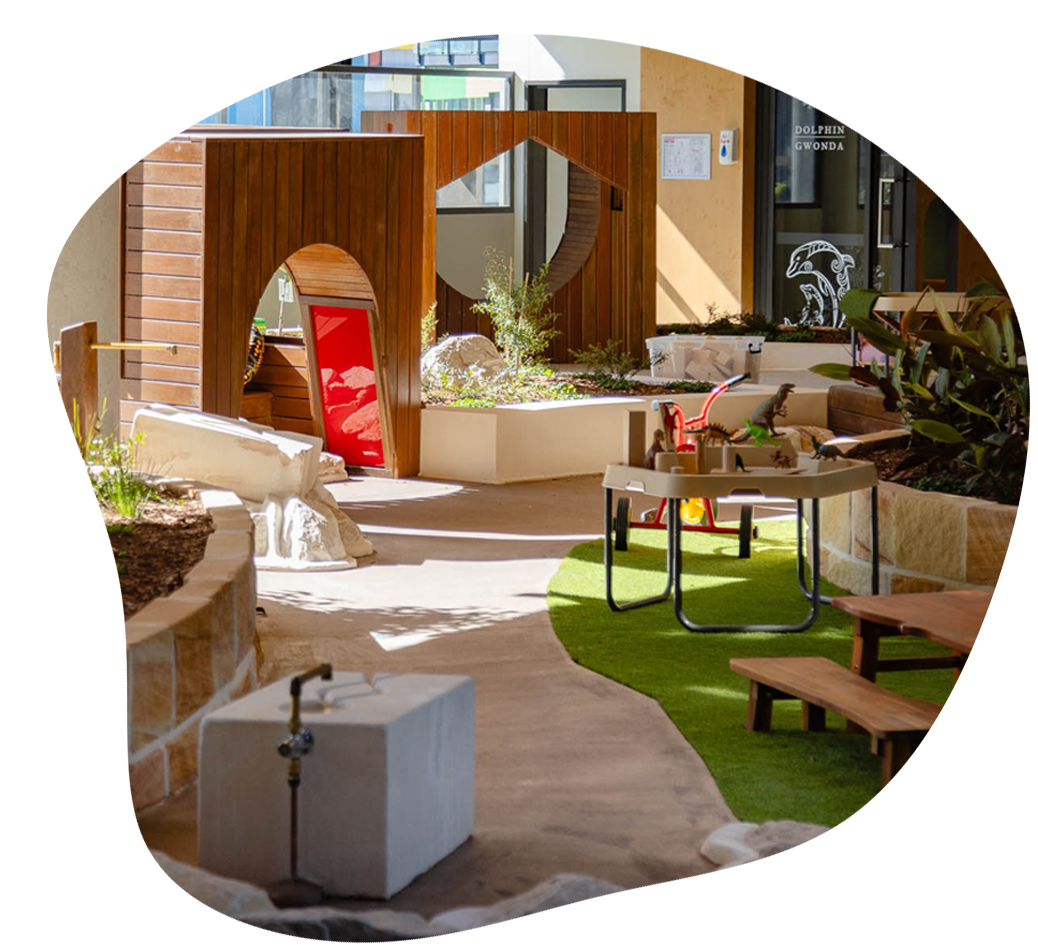
Drawing on the think big, think small concept and the seven design principles developed through our three-year collaboration with Kelly Goodsir, teams reviewed their indoor and outdoor spaces with fresh, responsive eyes. The question wasn't "what do we need to set up?" but rather "what does this child already know, and how do we honour that?"
The environments as welcome
This approach reflects one of the most enduring principles of responsive practice: the environment is the third teacher.
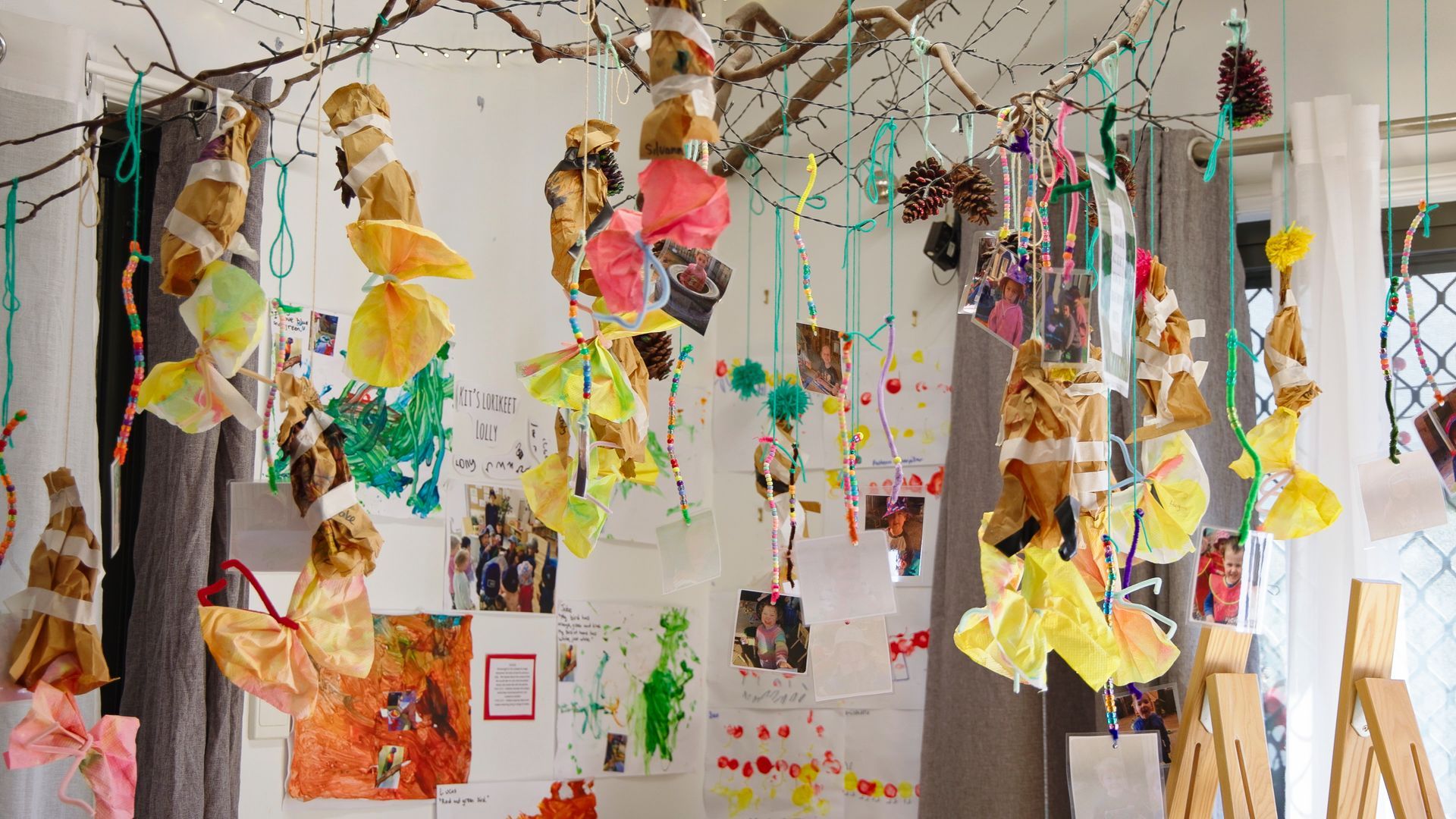
Children did not walk into bare, unfamiliar rooms waiting to be filled. They stepped into spaces that already spoke a familiar language — the same rhythms, the same aesthetic care, the same philosophical heart that runs through everything we do at Sanctuary. The room felt known before they'd even had time to settle.
Relationships that carry over
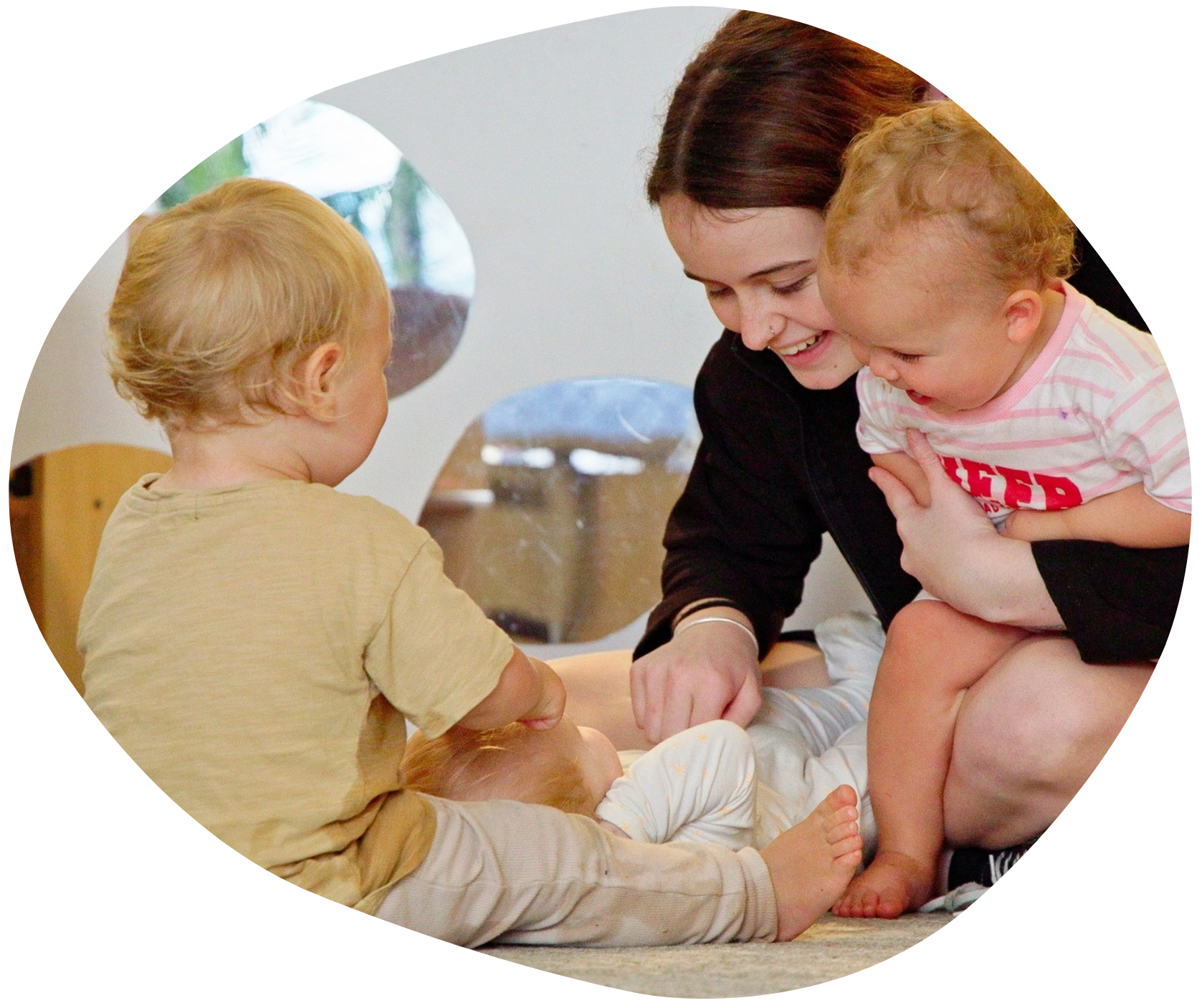
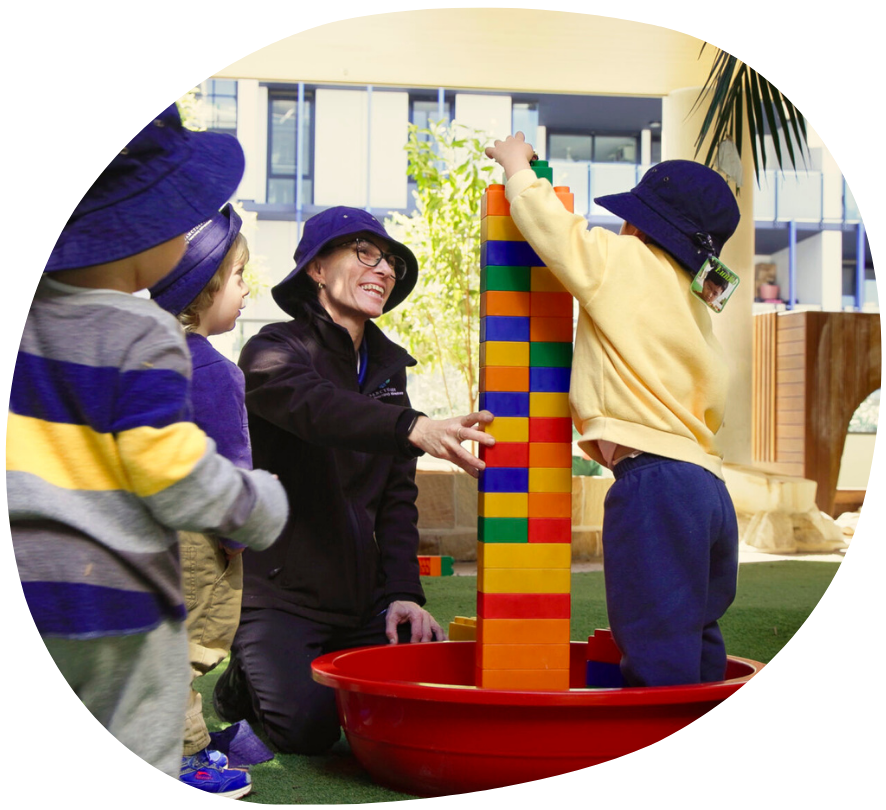
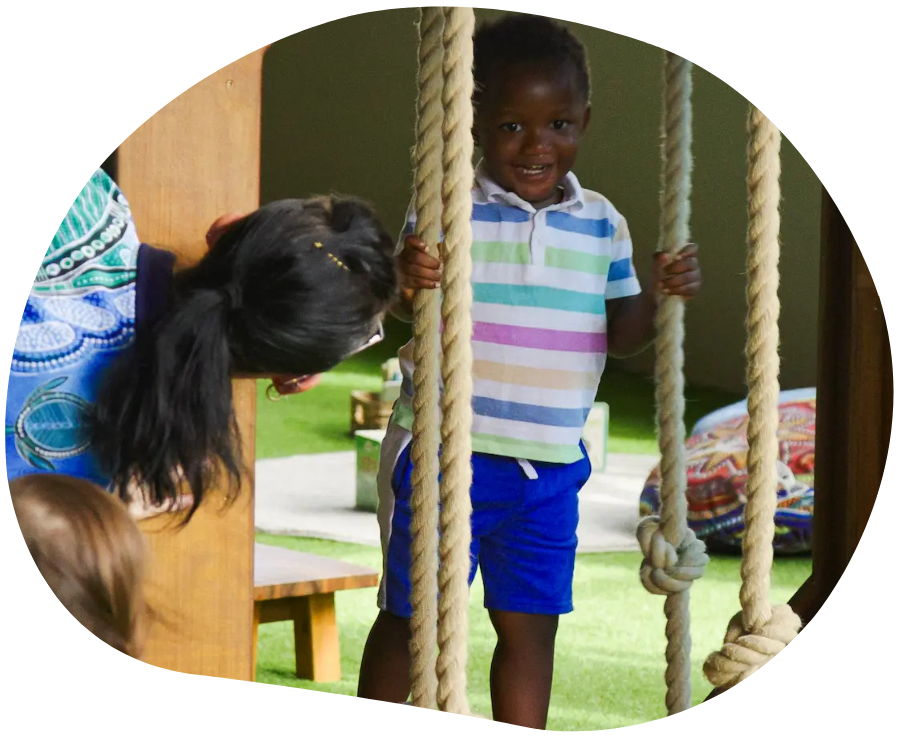
Equally thoughtful was the way teaching teams were arranged across transitions. In many rooms, educators either remained within the space, or one educator stayed while another moved with the children — ensuring that the threads of relationship and belonging were never severed. No abrupt endings. No starting over.
This mirrors the EYLF's vision of children as active participants in communities of learners, where secure, respectful, and reciprocal relationships form the bedrock of wellbeing (EYLF, Principle 1). At their best, transitions aren't endings at all. They are continuations.
What we saw in January
During visits across all centres in January, the difference was palpable. Educational Leaders spoke with visible pride about how smoothly their teams and children had moved through the start of the year. What was once a source of stress had become a source of strength.
That shift doesn't happen by accident. It happens when teams do the deeper work first — when they reflect, collaborate, and bring genuine intention to the spaces and relationships they are responsible for.
A reflection of who we are
Three years of learning alongside Kelly Goodsir became visible in the way a room was prepared, a relationship was honoured, and a child walked through a door and felt at home.
We are incredibly proud of every team across Sanctuary. This is responsive practice, lived — not just documented.
Recent Articles
Looking for child care in Ashmore? Why Sanctuary Ashmore changed everything for my family